If the Pro Kabaddi League is the canonical proof that India's domestic sports calendar has moved beyond cricket, then a Goafest panel in May provided the most up-to-date map of where the next wave is heading. Pro Kabaddi star Rahul Chaudhari joined former Indian women's football national team captain Aditi Chauhan and Pickleball World Rankings president Sameer Pathak on a panel titled "New Games, New Gods: India's Sporting Reset," moderated by CNN News18's Anand Narasimhan.
The panel was presented in association with The Times of India & Bingo on the second day of Goafest 2026 — the industry's flagship sponsorship and brand conference — and pulled together four leaders from sports that have all moved from niche to commercially viable inside the last decade in India.
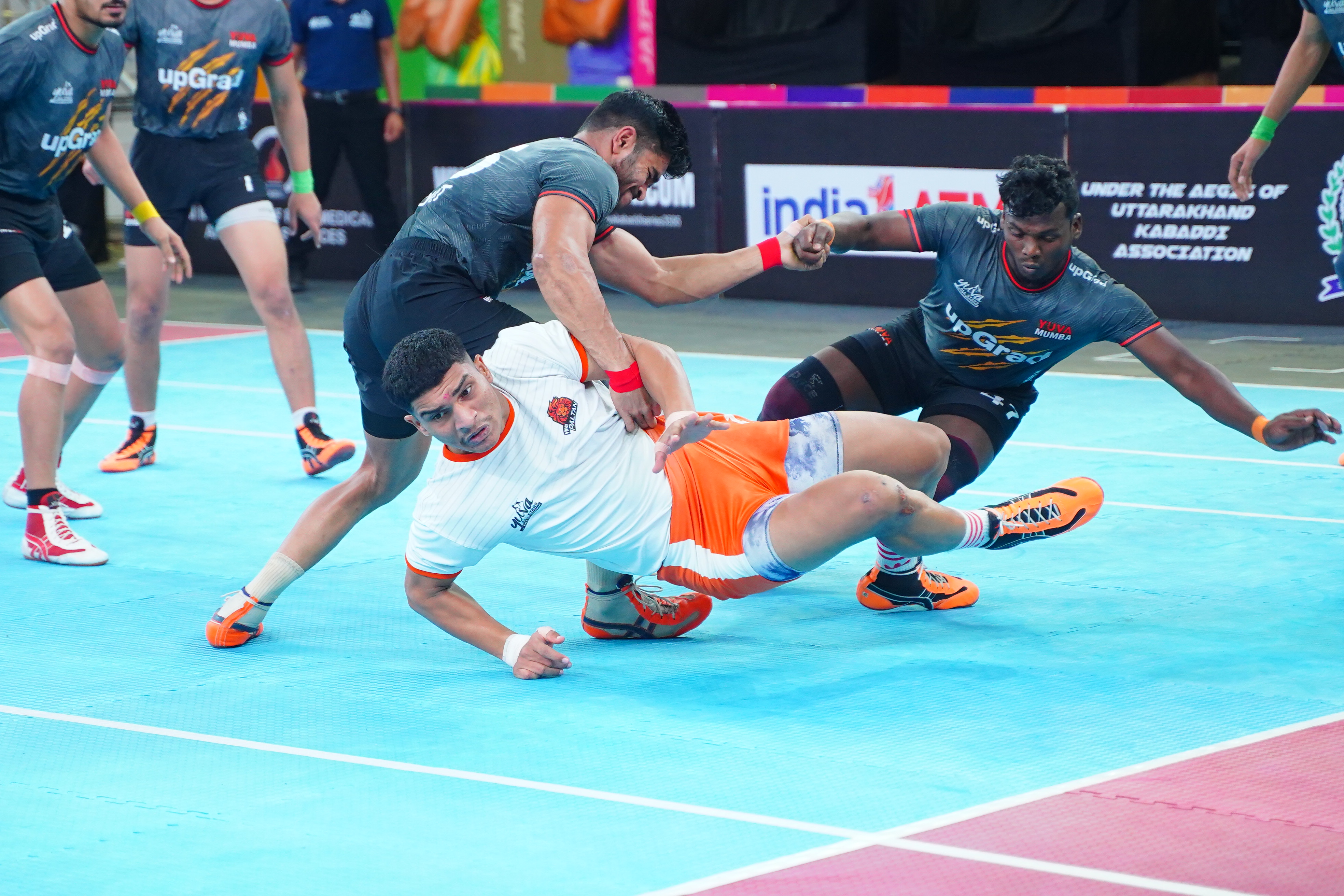
Chaudhari, one of the most recognisable raiders of his Pro Kabaddi generation, used his slot to underline the technical breadth of his sport.
"Kabaddi is a unique blend of multiple sports requiring diverse training techniques," he said, conducting an interactive demonstration with attendees that walked them through raid form, balance and quick-touch defence.
Chaudhari's framing of kabaddi as a hybrid — combining elements of wrestling, tag, sprint athletics and team strategy — was a useful reminder of why the sport translates so quickly to a broadcast audience. The PKL's growth from a 2014 launch to a 12-franchise league with national broadcast on Star Sports has been one of the defining stories of Indian sports media of the last decade, and Chaudhari has been one of the marketable faces of that growth.
Chauhan, the former goalkeeper turned founder of She Kicks — the women's football initiative aimed at school-age girls — spoke about the lessons her sport has imprinted on her work off the field.
"Football teaches invaluable life lessons through perseverance and discipline," she said.
Chauhan was the first Indian woman footballer to play in the English Women's Super League, and her transition into a development entrepreneur is one of the structural moves Indian women's football has needed at the school-recruitment layer.
Parvinn Dabass, founder of the Pro Panja League — India's professional arm wrestling competition — outlined how he believes a niche sport finds its market.
"Audiences are naturally drawn to the thrill of competition," Dabass said, drawing comparisons to how darts has become a major commercial property in the UK and Western Europe despite remaining minor at international Olympic level.
Pathak made the case for the panel's other newcomer.
"The rapid growth of pickleball across metro and tier cities," Pathak said, can be attributed to the sport's "highly experiential and visually engaging nature."
Pathak, who heads Pickleball World Rankings under The Times Group, has been credited with bringing pickleball's domestic infrastructure into focus in India. The sport has built out from informal racquet-sport conversions into formal court networks across metro and Tier 2 cities, with growing Indian participation in international ranking events.
The panel, taken as a whole, mapped a quiet structural truth about India's sports economy in 2026. The Hurun India Most Valuable Sports Teams report published days earlier valued franchises across six leagues including PKL and noted the rapid valuation growth of league franchises across cricket-adjacent and non-cricket sports. PKL sits alongside the IPL, the ISL and the Women's Premier League as franchises with measurable annual value growth. Kabaddi, in other words, is no longer a curiosity in India's sports economy; it is part of the established league pipeline.
Chaudhari's pitch — that kabaddi is technically demanding, broadly entertaining, and culturally rooted — fit the Goafest stage. India's sporting reset, the Goafest panel argued, is being built on exactly the kind of multi-sport investment that places kabaddi alongside football, pickleball and arm wrestling in the same conversation.