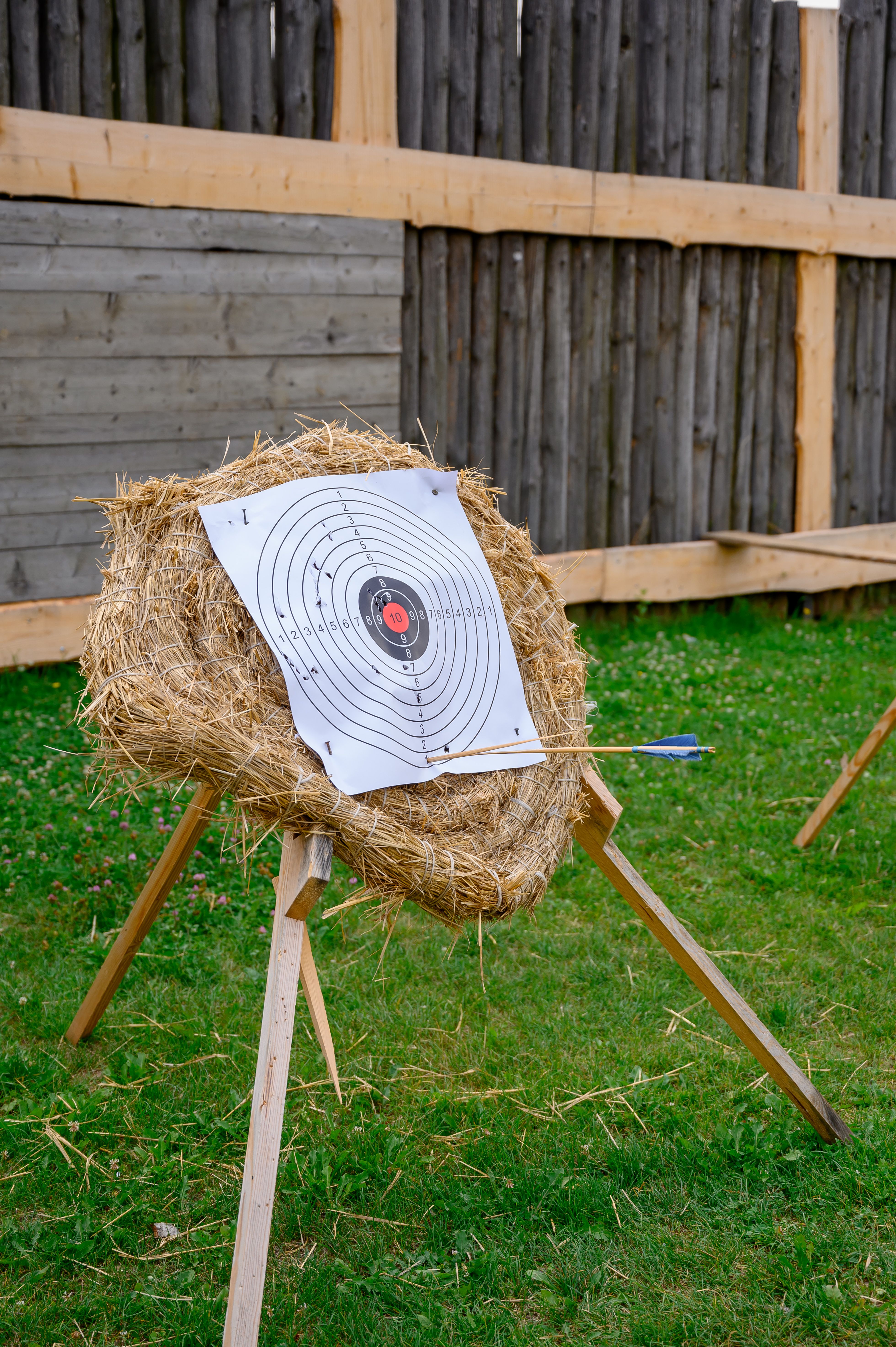
The Sonipat selection trials closed on May 22 with the kind of result that rewrites Indian archery's senior pecking order in a single afternoon. Deepika Kumari, the former world number one and the most decorated face of Indian recurve, did not make the cut for the Aichi-Nagoya 2026 Asian Games squad. Neither did her husband Atanu Das. Neither did the Hangzhou 2022 sweep architects Abhishek Verma and Ojas Pravin Deotale on the compound side.
Kumari, Das and Verma all retained World Cup selections — the Asian Games omissions sit alongside ongoing World Cup commitments — but the Asian Games is the marquee continental fixture, and its squad list now reads as a youth tilt led by 17-year-old prospects and an unexpected category top scorer.
Das, who is ranked 21st in the world recurve standings, did not hide that he had come to Sonipat short of full fitness.
"For me, it was a little challenging because I have been recovering from a shoulder injury over the last two to three months, but I fought until the very last arrow," he said.
The headline rises sit with two names. Taniparthi Chikitha and Prithika Pradeep have been picked alongside Jyothi Surekha Vennam in compound women. Pradeep is just 17 — a silver medallist at the 2025 World Youth Championships and now selected for one of India's most decorated archery events. Vennam, the reigning Asian Games compound women's gold medallist and world number three, leads the contingent and provides the senior anchor.
In recurve women, the trial throw most needs explaining is the rise of Kirti, world number 199, who topped the trials category despite ranking fourth in qualifying. The Indian selection format weights direct trial play above seeding, and Kirti exploited the format to push the more established Kumari out of the team — a result that, on paper, looks closer to a coup than a coaching call.
Olympian Ankita Bhakat, who survives the cut, framed the new dynamic as one of mentorship rather than replacement.

"The juniors delivered a great performance and showed strong potential," Bhakat said. "I now have the responsibility to guide the team."
That handover language matters. India's compound men's team won an Asian Games gold in Hangzhou with Verma and Deotale at the heart of it; their omissions remove the two compound names most associated with India's recent Asian Games breakthrough.
The selection also reflects a broader generational push that the Indian archery federation has been forecasting for a year. The pathway through junior and youth international events has been more crowded than at any point in the federation's modern era, and Indian results at the recent Shanghai Hyundai World Cup — where the recurve women's team won team gold, the first non-Asian sweep in that final since 2018 — had already underlined a depth not previously available to senior selectors.
Whether the youth-led squad can convert at Aichi-Nagoya is the question that now sits on the table. The squad will likely face South Korea's reset recurve roster — which is similarly leaning on two young recurve men's debutants — and a Chinese contingent fresh off a clean Puebla World Cup sweep that drew direct headlines about whether Korean dominance is now under threat.
For Kumari, Das, Verma and Deotale, the road back goes through World Cup form and through the 2027 selection cycle. For Pradeep, Chikitha, Kirti and Bhakat, Aichi-Nagoya is the proving ground. India's senior archery is in transition and the first sentence of the new chapter has been written.