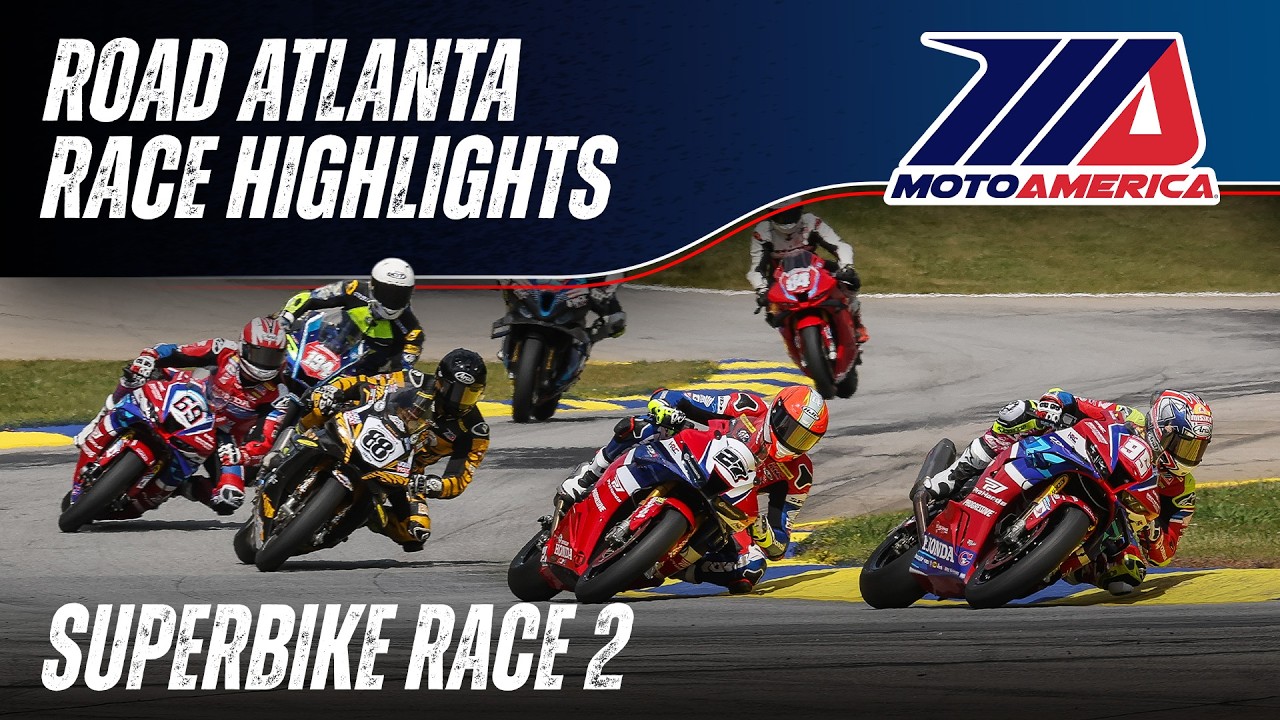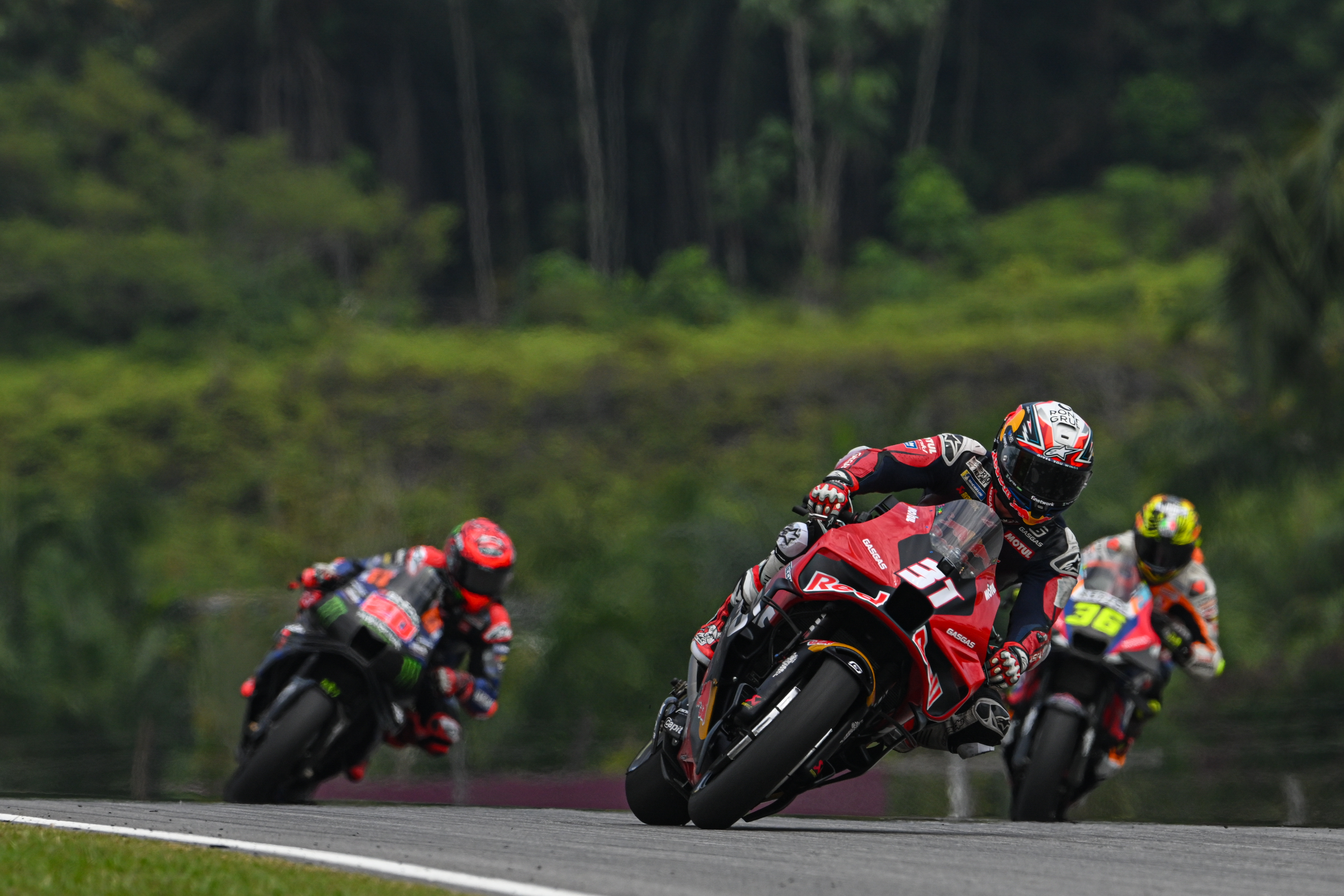
The thrilling aspect of MotoGP™ qualifying comes from the intense battles for grid positions, crucial for a competitive advantage during races. Each weekend, the fastest riders in the world face off during two key sessions, known as Q1 and Q2, with the ultimate goal of claiming the coveted pole position.
From the moment riders hit the track on Fridays, their focus is clear: a strong qualifying run on Saturday translates to better chances for success in both the afternoon MotoGP™ Sprint and the Sunday feature race. "When you start from the front, you can control the race better," explained Maverick Viñales of Aprilia Racing.
"When you start from the front, you can control the race better,"

The structure of qualifying is built upon essential practice sessions which set the stage for the main qualifying events. Starting with Free Practice 1 (FP1), which takes place on Friday morning, riders use the time to fine-tune their bike setups and familiarize themselves with track conditions. The Friday afternoon session follows, providing critical data collection and analysis.
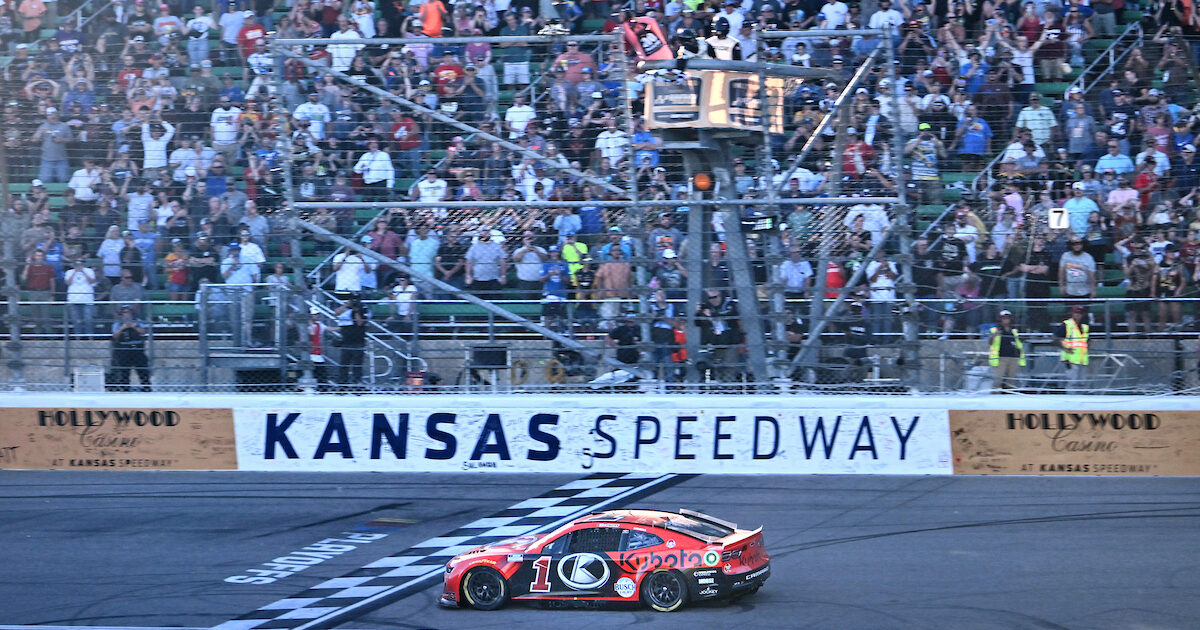
Race Results
In the heat of the FP2, riders are racing against the clock to secure a top-10 finish, as those who succeed earn automatic entry into Q2. However, for those finishing outside the elite group, Q1 offers a secondary chance for advancement. "Every lap counts, and you have to push yourself to the limit," noted Fabio Quartararo from the Monster Energy Yamaha MotoGP Team.

"Every lap counts, and you have to push yourself to the limit,"
Qualifying
On Saturday, the qualification process unfolds over two 15-minute sessions, starting with Q1. Here, the stakes are high; the top two times gain entry to Q2. The remaining riders' times determine their starting grid positions from 15th downward, creating an intense atmosphere. The dynamics are highly competitive, as riders strive to clock fast laps under pressure. "It’s all about getting a clean lap; you have to find space on the track to push hard," said one participant.
"It’s all about getting a clean lap; you have to find space on the track to push hard,"

**Related:** [Overview of the 6th Sense The Draw 6.5" Glide Bait](/article/overview-of-the-6th-sense-the-draw-65-glide-bait)
Qualifying
In Q2, the competition intensifies. The grid's front positions are contested fiercely, with riders typically opting for softer tires to optimize lap times for pole position. The layout of this session ultimately determines the starting spots from pole to 12th position. As Vyñales points out, "Every millisecond is crucial when it comes to pole position."
The top performers from Q1 and Q2 reveal a pattern of riders who have made notable comebacks, with past successes seeing names like Luca Marini and Francesco Bagnaia transition from lower qualifiers to pole. "It shows that perseverance pays off," noted an analyst reflecting on the qualifying trends in MotoGP.
"It shows that perseverance pays off,"
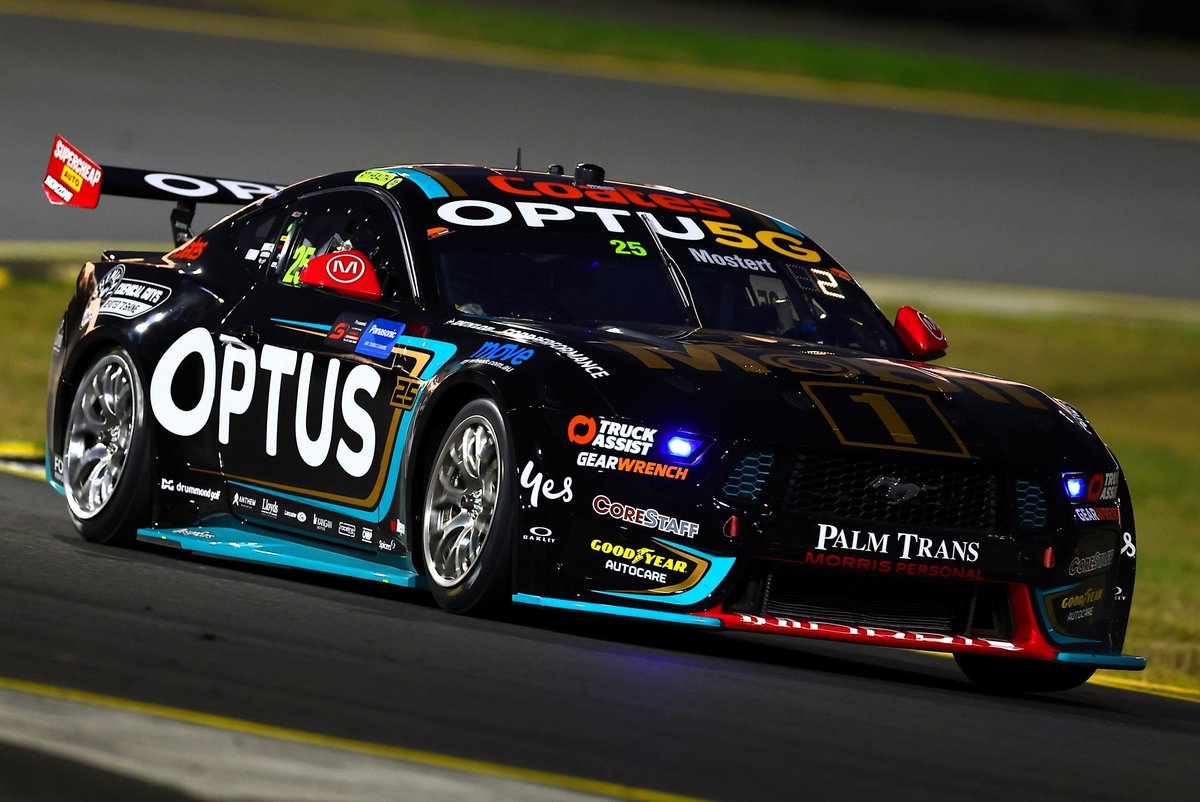
The significance of qualifying in MotoGP cannot be overstated. Starting position can be a game changer due to the track's configuration and competition levels. Riders at the front enjoy fewer obstructions and reduced risks associated with early cornering. "The first lap is always critical; starting ahead can set the tone for the entire race," reflected Quartararo.
"The first lap is always critical; starting ahead can set the tone for the entire race,"
In summary, the MotoGP qualifying format embodies the essence of racing, where not just speed, but also strategy and skill come into play. Riders work tirelessly across practice sessions leading to qualifying, all while aiming for that perfect lap that could make all the difference come race day. As the circuit prepares for the next round of competition, the anticipation for both qualifying and the subsequent races grows—an exciting chapter in the MotoGP season awaits. Through qualifications, riders are not just competing for positions but also for the momentum they carry into race day.