As the excitement builds for the 2025 NASCAR season, fans and analysts alike are gearing up to dive into the crucial statistics that define the sport. The loop data, a treasure trove of analytics, provides valuable insights into driver performance, track conditions, and race strategies.
"We focus on key metrics such as Average Running Position and Driver Ratings to help fans understand the dynamics of each race," said a representative from the WIN THE RACE team. This comprehensive data not only covers basic stats but extends to advanced metrics like Fastest Drivers Early in a Run and Green Flag Speed, which are vital for evaluating driver performance.
"We focus on key metrics such as Average Running Position and Driver Ratings to help fans understand the dynamics of each race,"

The upcoming races will see a diverse lineup, beginning with the Clash at Bowman Gray Stadium and culminating in the iconic Daytona 500. The schedule also includes critical events like Atlanta and COTA, each providing unique challenges. "Races at these venues can significantly impact the championship landscape, making the loop data even more essential for fans and competitors," explained an industry analyst familiar with the benefits of such data.
"Races at these venues can significantly impact the championship landscape, making the loop data even more essential for fans and competitors,"
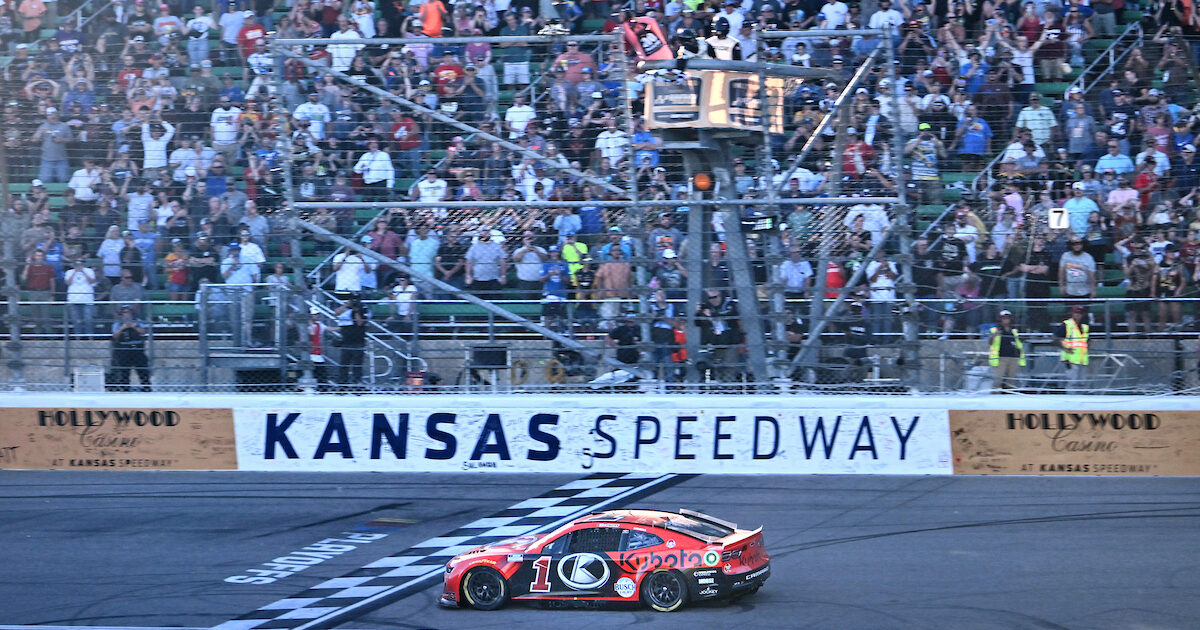
By the Numbers

The 2025 loop data offers various statistics, including Quality Passes and Laps Led, which are crucial for fantasy sports enthusiasts and bettors. "Understanding these numbers can make or break your strategy in daily fantasy sports (DFS)," noted a DFS expert.
"Understanding these numbers can make or break your strategy in daily fantasy sports (DFS),"
With odds and projections available for platforms like DraftKings and FanDuel, teams and fans can tailor their approaches based on empirical evidence. The insights derived from Green Flag Passes and Speed by Segment are particularly enlightening.
**Related:** [PowerSchool Data Breach Poses Identity Theft Risks for Millions](/article/powerschool-data-breach-poses-identity-theft-risks-for-millions)

Another exciting aspect of the loop data is its accessibility. By providing free loop data, platforms aim to engage a broader audience. "We want everyone to have the chance to understand and appreciate the intricacies of the sport, not just the seasoned fans," said a member of the WIN THE RACE staff.
"We want everyone to have the chance to understand and appreciate the intricacies of the sport, not just the seasoned fans,"
By the Numbers
The season promises thrilling competition, and the ability to analyze past performances through loop data will empower fans, drivers, and teams alike. As these statistics unfold week by week, they will undoubtedly influence race strategies and fan predictions, creating a more engaging experience around each event.
Current Season
As the 2025 NASCAR season approaches, the integration of loop data into everyday discussions around racing will likely increase. Fans eager to stay ahead of the curve can leverage this information to enhance their viewing experience and participate more actively in betting and fantasy leagues.
Overall, the emphasis on detailed statistical analysis reflects a growing trend within NASCAR to appeal to a more data-driven audience. Armed with this knowledge, stakeholders in the motorsport world are better equipped to dissect the complexities of each race and anticipate shifts in the championship standings. With each race, the loop data will remain a key asset driving engagement and interest in the sport.