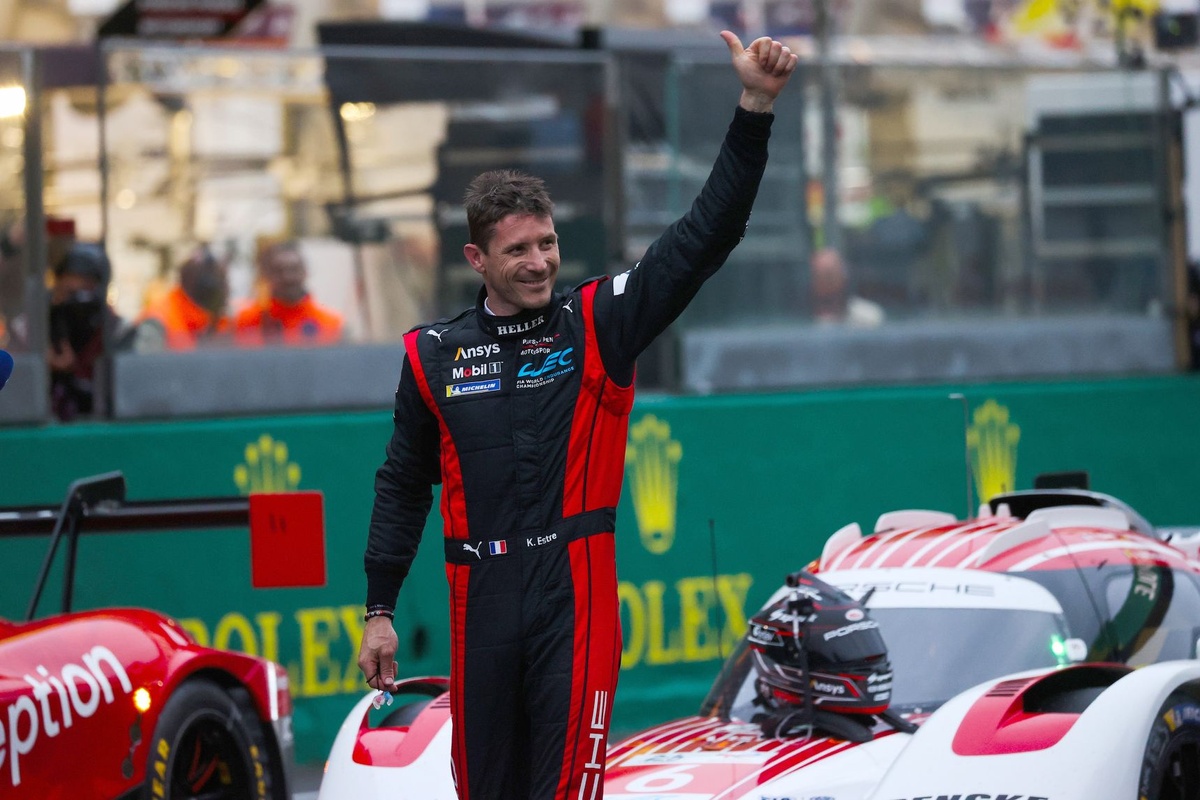
Recent updates to the qualifying format for the Le Mans 24 Hours have drawn approval from past pole winners, emphasizing increased fairness and enhanced spectacle. The changes, effective for the 2025 race, separate Hypercar entries from slower LMP2 and LMGT3 classes during qualifying, a shift welcomed by drivers like Kevin Estre and Neel Jani.
The new rules, which will be implemented for the prestigious endurance race, mean that Hypercar competitors will now have the track to themselves during qualifying sessions. Estre, who secured pole during last year’s event driving the factory Porsche 963, expressed his gratitude for the updates. “For me it is better, because it is fairer - it will make it less of a lottery,” said Estre. The veteran driver highlighted the challenges faced in previous years, where traffic from slower classes heavily influenced lap times.
“In 2024 before my last lap, I did not have a clear lap, and I wasn’t the only one, for sure,” Estre noted. He elaborated on the tight competition between different vehicle categories, underscoring the impact of slower vehicles on performance. "The performance between Hypercar and LMP2 in the corners is so close that you don’t just drive around them and lose a tenth. Sometimes it is five tenths because you get stuck behind one for a whole sequence of corners."
Qualifying
Estre also pointed out the need for a more exhilarating qualifying experience. “If they [race organizer the Automobile Club de l’Ouest] really want to build a lot of hype around qualifying and getting the pole, then we have to be alone on track to create an even better spectacle,” he stated. This ambition reflects a broader trend within motorsport to elevate competition quality and viewer engagement.
Qualifying

Jani, who clinched Le Mans pole in both 2015 and 2016 with the Porsche 919 Hybrid LMP1, aligned with Estre's sentiments regarding the newly structured qualifying format. “Dealing with the traffic was part of the game in the old days, but it made it a bit of a lottery,” remarked Jani, who is set to compete again in a customer Porsche 963 for the Proton Competition team in 2025.
**Related:** [Lexus Celebrates First LMGT3 Win with New Tire Strategy](/article/lexus-celebrates-first-lmgt3-win-with-new-tire-strategy)
Qualifying
The Swiss driver emphasized the advantages of the revised system from both a safety and competitive standpoint. “For the spectacle, it has to be good because there are so many cars and manufacturers in Hypercar now,” Jani observed. He believes that the changes will not only improve the challenge of securing pole position but also enhance on-track safety, reducing the risks associated with navigating through a crowded field.

Jani also pointed out that the significance of starting position has grown, especially as the Hypercar class sees increased participation with multiple manufacturers involved. “Track position has become a bigger topic than in the past because there are so many cars,” he explained. The strategic implications of race starts have intensified, with the potential to lose significant time, noting, “Starting further back could cost you 30 or 40 seconds in the opening stints, though of course the safety car rules now show some flexibility in those situations.”
As the countdown to the 2025 Le Mans approaches, these changes to the qualifying format are expected to offer a thrilling and equitable environment for drivers. With heightened competition among manufacturers, drivers are optimistic that the new regulations will further electrify the race.
Looking ahead, the revised qualifying process reflects a shift towards a more structured and competitive racing framework, aimed at enhancing both safety and performance while fulfilling the expectations of fans and participants alike.