8 articles
Audi's striking new bodywork design during Bahrain testing has generated considerable discussion among F1 experts and teams. Key features include a unique vertical radiator inlet and an aerodynamic approach aimed at enhancing performance.
With the introduction of new technical regulations in 2026, the front wing's role in Formula 1 evolves, impacting car performance and aerodynamics. Maintaining balance becomes key as teams adapt.
The Ferrari SF-26 emerges as a strategically simple design, focusing on stability and future upgrades rather than aggressive early aesthetics. With its innovative components, Ferrari is aiming for improved performance and better handling.
The 2025 Formula 1 season has been tumultuous for Ferrari, characterized by significant technical challenges with the SF25. This article examines the evolution of the car and the missteps that plagued its performance throughout the year.
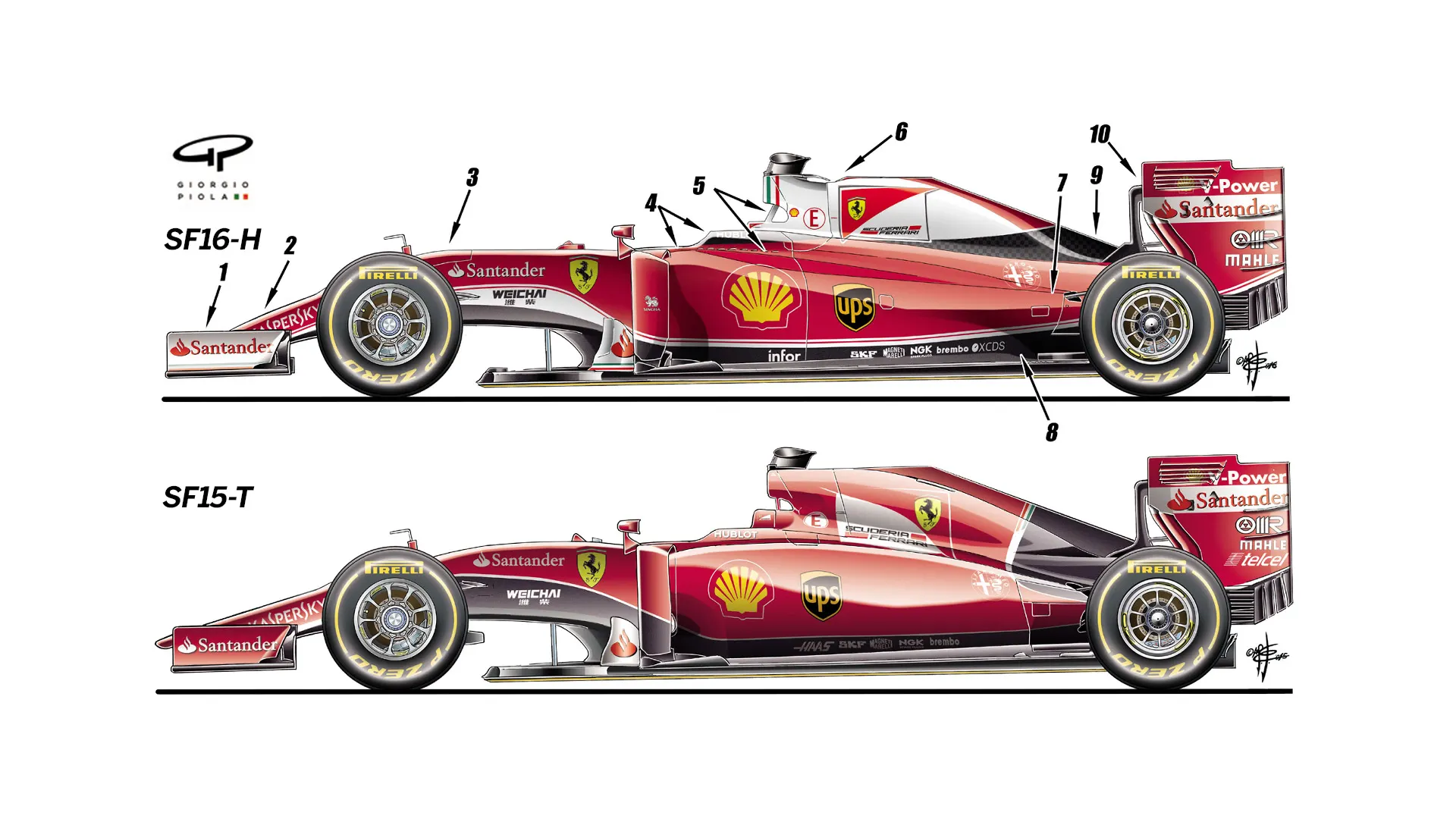
Ferrari's 2016 SF16-H shows promise with a new design, including a short nose and revamped aerodynamics. Sebastian Vettel leads the way in testing.
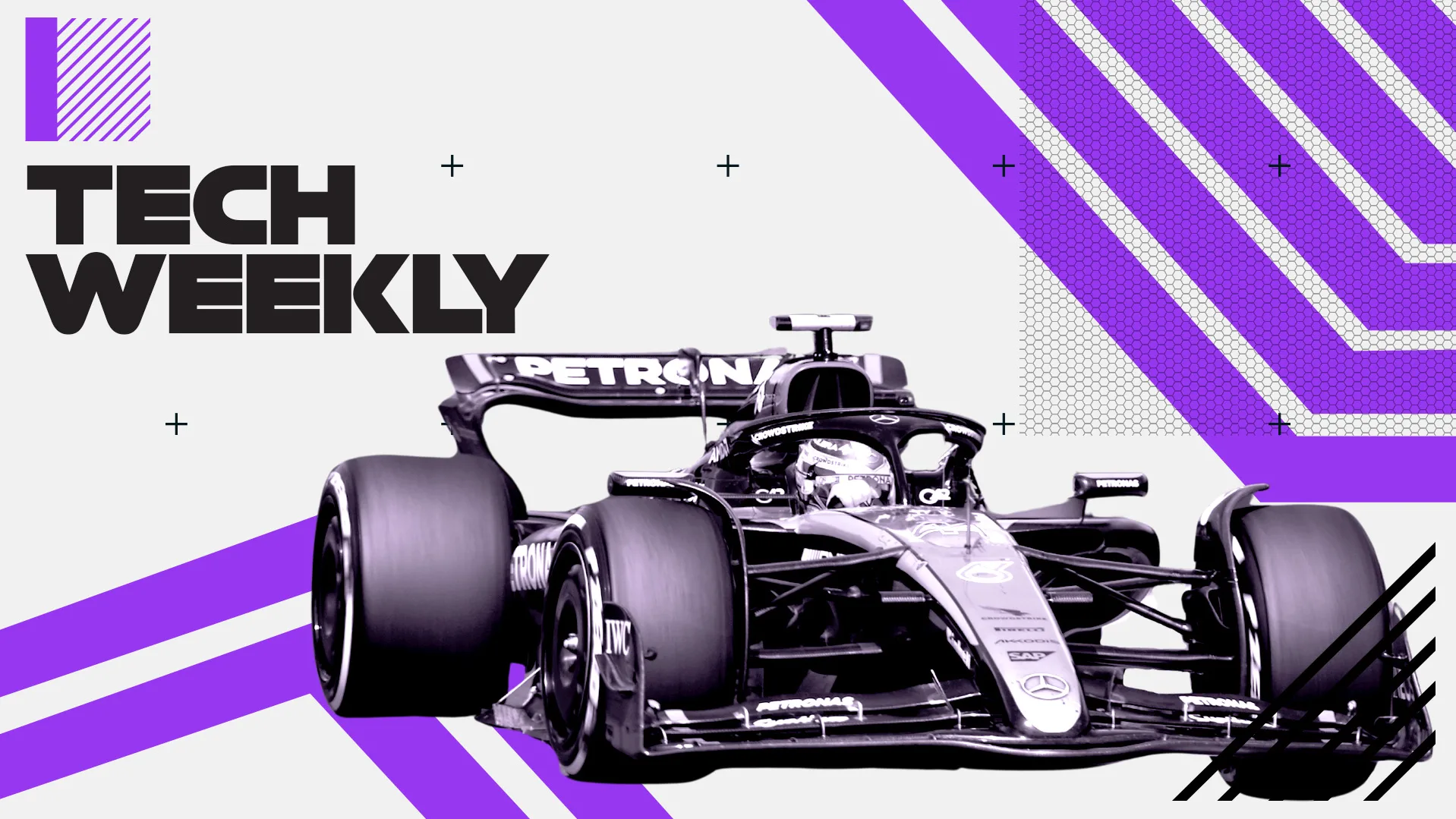
Mercedes' W15 underwent a remarkable transformation, turning its initial struggles into a stellar performance at the Belgian Grand Prix. A combination of engineering innovations and strategic adjustments allowed the team to emerge victorious.
After a rocky start, McLaren's MCL60 has shown remarkable improvement in the 2023 Formula 1 season. Key updates have propelled the team back into contention, offering hope for future races.
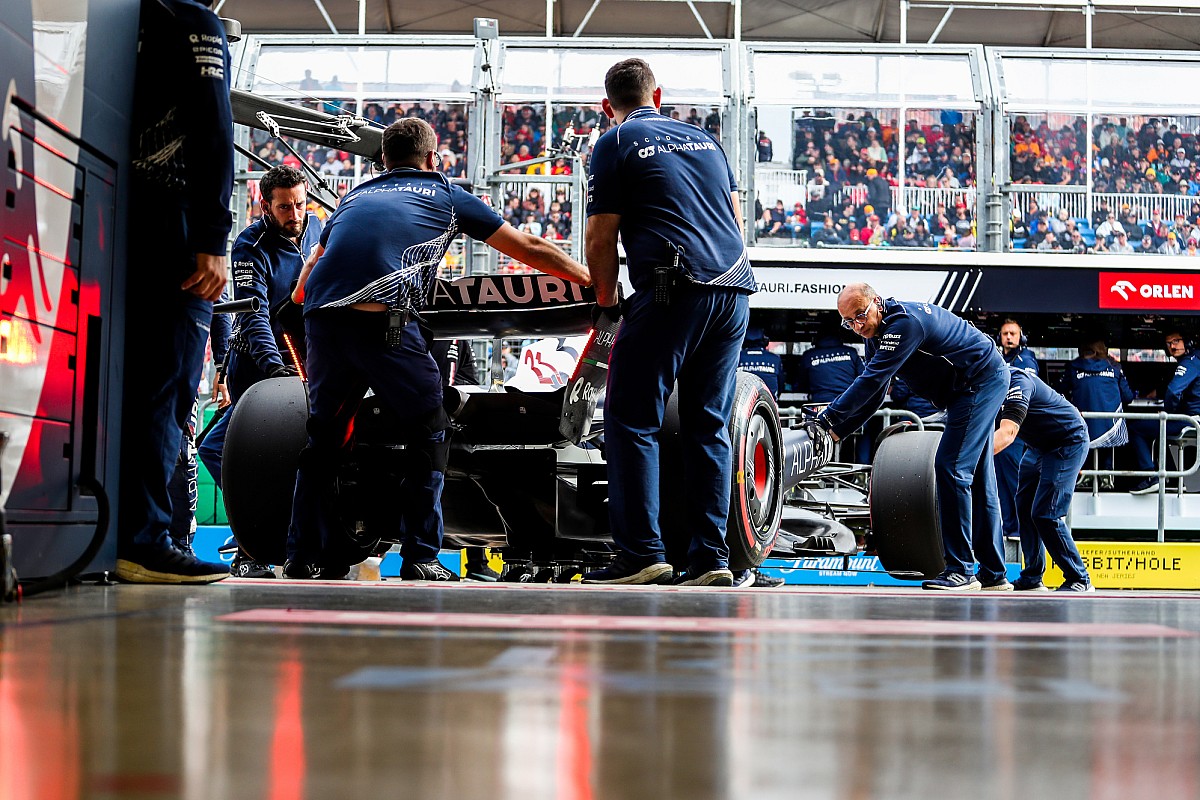
Following a rocky start to the season, AlphaTauri made crucial updates to their F1 floor that showed promise at the Australian Grand Prix. The enhancements aimed to rectify a core weakness in low-speed cornering.
.webp)