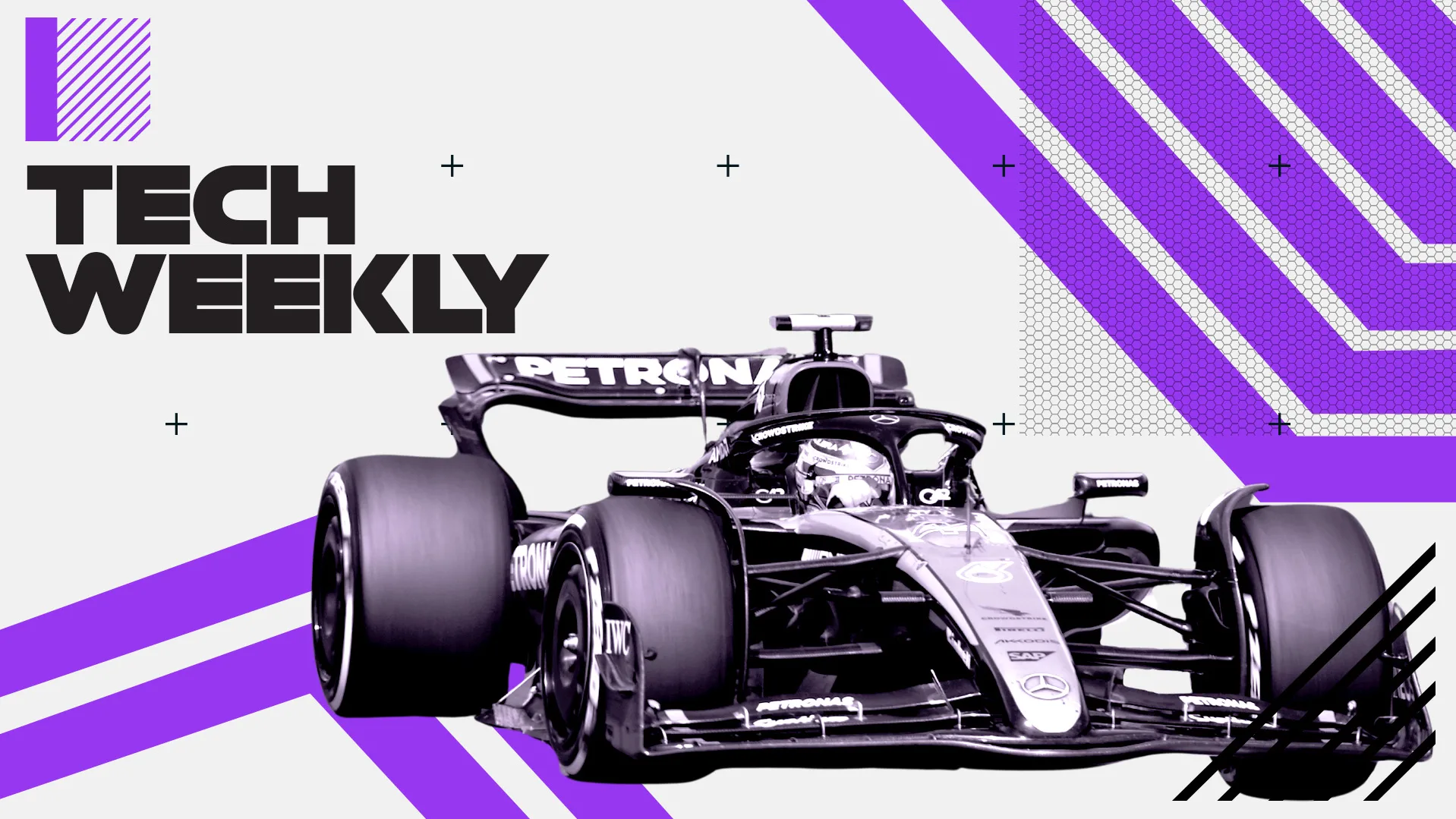
At the Belgian Grand Prix, Mercedes surprised observers with a performance that defied their initial expectations. As the team prepared for the race weekend, few would have predicted a 1-2 finish. "On the Friday of the Belgian Grand Prix, even Mercedes would not have thought a 1-2 was a likely outcome," said a team insider, reflecting on their earlier struggles with the W15.
"On the Friday of the Belgian Grand Prix, even Mercedes would not have thought a 1-2 was a likely outcome,"
The W15 was grappling with significant issues, particularly concerning its handling. The car had become notorious for its 'bouncing' behavior on the track. "The car was proving to be a bouncing handful and definitely looked only the fourth-fastest car," remarked one of the team engineers who had been deeply involved in the W15's development.
"The car was proving to be a bouncing handful and definitely looked only the fourth-fastest car,"
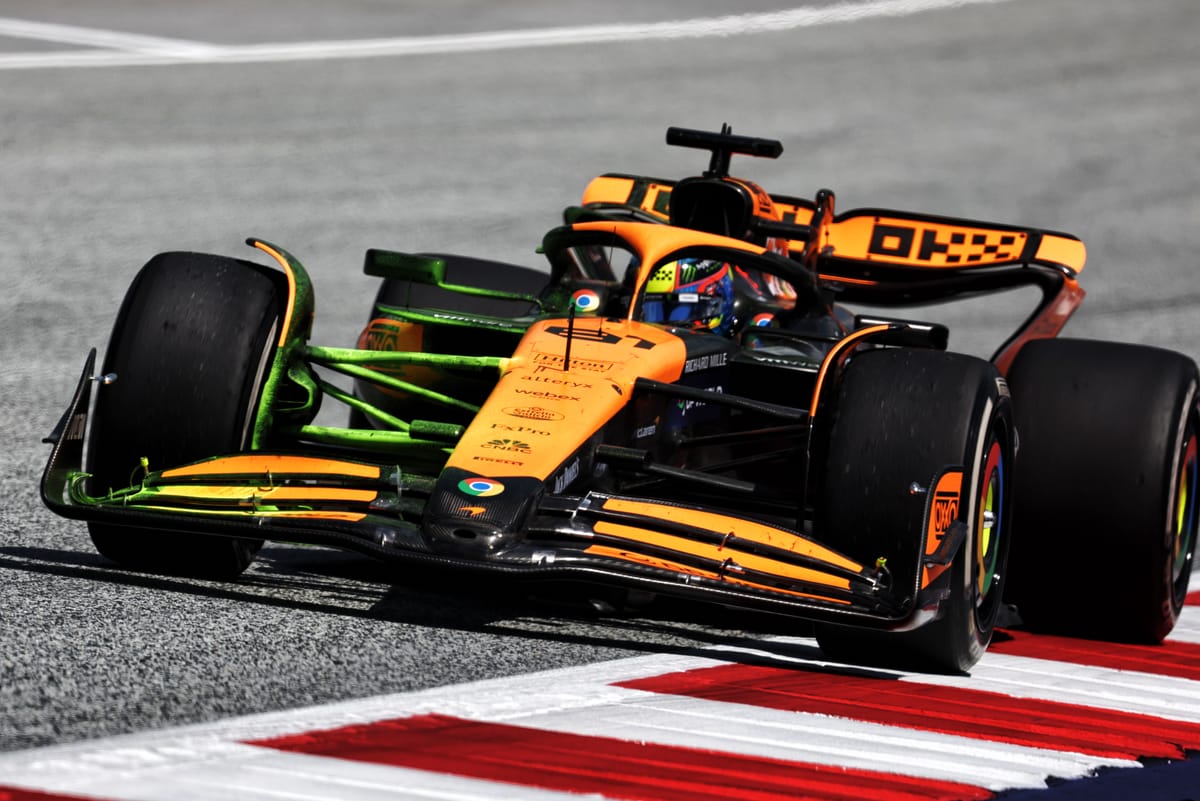
However, the Mercedes team, known for their ingenuity, quickly went to work. They implemented crucial updates to the W15's floor and diffuser, which were key components in managing the car’s performance. By race day, the changes had a significant impact, as they emerged as one of the top competitors. "On Sunday, it was at least equal-fastest with McLaren," an analyst noted, highlighting the stark contrast in the car's performance following the adjustments.
"On Sunday, it was at least equal-fastest with McLaren,"

The rapid turnaround and the performance boost of the W15 highlight Mercedes’ ability to adapt. The engineering team's proactive approach played a crucial role in the transformation. "We recognized the need to innovate quickly, and our updates made all the difference," said a senior engineer from the team.
"We recognized the need to innovate quickly, and our updates made all the difference,"
Looking Ahead
As they prepare for future races, Mercedes' success at the Belgian Grand Prix serves as a reminder of their resilience and engineering prowess. This victory not only adds to their legacy but also positions them as strong competitors in the continuing season, eager to capitalize on this momentum.

**Related:** [Russell Claims Chinese GP Sprint Victory as Mercedes Dominates Early 2026 F1 Season](/article/russell-claims-chinese-gp-sprint-victory-as-mercedes-dominates-early-2026-f1-season)