In a sport where statistics and measurables often define a fighter's marketability, Marcus Jones represents something of an anomaly in the mixed martial arts landscape. While his reach, height, and weight remain undisclosed, Jones has quietly been building a reputation as one of the more intriguing prospects in MMA's underground circuit.
The lack of readily available physical statistics surrounding Jones speaks to a broader trend in modern mixed martial arts, where fighters sometimes prefer to keep opponents guessing about their physical attributes. This strategic ambiguity has become increasingly common among fighters who compete outside the major promotional umbrellas, where comprehensive athlete databases are not always maintained with the same rigor as those found in the UFC or Bellator.
What makes Jones particularly fascinating is his apparent independence from traditional team structures. Operating without the backing of a major camp or training facility, he represents the entrepreneurial spirit that has always existed in combat sports. This solo approach to career development requires a fighter to wear multiple hats – athlete, business manager, and strategic planner – while maintaining the focus necessary to compete at high levels.
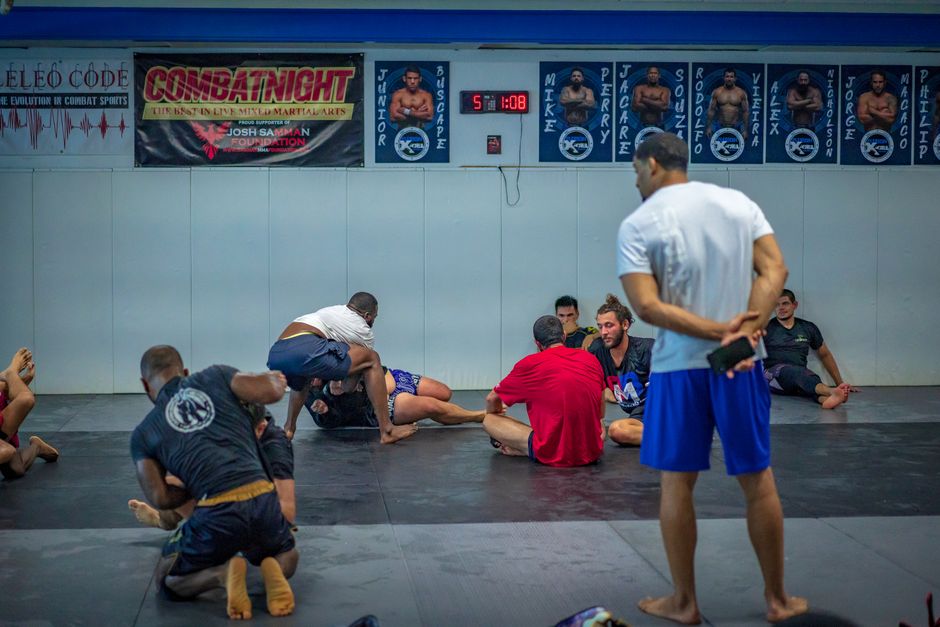

The independent fighter path is not without its challenges. Without the resources of established teams, fighters like Jones must be creative in their approach to training, often working with multiple coaches across different disciplines rather than having access to a comprehensive training facility. This patchwork approach can sometimes lead to gaps in preparation, but it can also create well-rounded fighters who have been exposed to diverse training philosophies and techniques.
By the Numbers
Jones' decision to maintain privacy around his physical measurements could be viewed as both strategic and practical. In an era where social media and fight promotion often emphasize physical attributes and trash talk, some fighters are choosing to let their performances speak louder than their statistics. This old-school approach harkens back to an earlier era in combat sports when mystique and mystery were powerful promotional tools.

**Related:** [Dow Jones Plummets as Geopolitical Crisis Triggers Market Sell-Off](/article/dow-jones-plummets-as-geopolitical-crisis-triggers-market-sell-off)
By the Numbers
The absence of detailed statistics also reflects the reality of regional MMA circuits, where record-keeping can be inconsistent and promotional resources limited. Many talented fighters toil in relative obscurity on smaller cards, building their skills and experience while hoping for an opportunity to break through to larger platforms. These regional scenes serve as crucial proving grounds, where fighters can develop their craft away from the intense scrutiny of major media coverage.
By the Numbers

From a tactical standpoint, operating without disclosed measurements presents both advantages and disadvantages for Jones. Opponents cannot easily prepare specific strategies based on reach advantages or weight cutting patterns, potentially giving Jones an element of surprise in matchmaking. However, this same mystery can work against him when it comes to securing fights, as matchmakers often prefer clear statistical profiles when pairing opponents.
The modern MMA landscape increasingly values transparency and comprehensive athlete profiles, partly due to betting markets and fantasy sports applications that rely on detailed statistics. Fighters who maintain privacy around their measurables sometimes find themselves at a promotional disadvantage, as media and fans gravitate toward more accessible and quantifiable storylines.
Despite these challenges, Jones appears to be carving out his own niche in the sport. His approach suggests a fighter who is confident in his abilities and comfortable with unconventional career management. This independence could indicate strong self-belief and a clear vision for his fighting career that doesn't necessarily align with traditional promotional pathways.
The lack of team affiliation also means Jones likely handles much of his own business affairs, from contract negotiations to training arrangements. This level of independence requires business acumen that extends far beyond fighting skills, encompassing everything from financial management to media relations. Such comprehensive self-management is increasingly rare in professional athletics, where specialization typically leads to teams of advisors and representatives.
For observers of the sport, Jones represents an interesting case study in alternative career development within MMA. His path challenges conventional wisdom about the necessity of major team affiliations and comprehensive statistical profiles for success in modern mixed martial arts.
As the MMA landscape continues to evolve, with new promotions emerging and traditional boundaries blurring, fighters like Jones may become increasingly common. The democratization of training information through online resources and the proliferation of smaller promotional opportunities create pathways for independent operators to build sustainable fighting careers.
Whether Jones' unconventional approach will ultimately lead to breakthrough success remains to be seen. However, his commitment to privacy and independence in an increasingly transparent and corporate sport makes him a compelling figure to monitor as his career develops. In a sport that often rewards conformity to promotional templates, Jones' insistence on charting his own course provides a refreshing alternative narrative in mixed martial arts.
