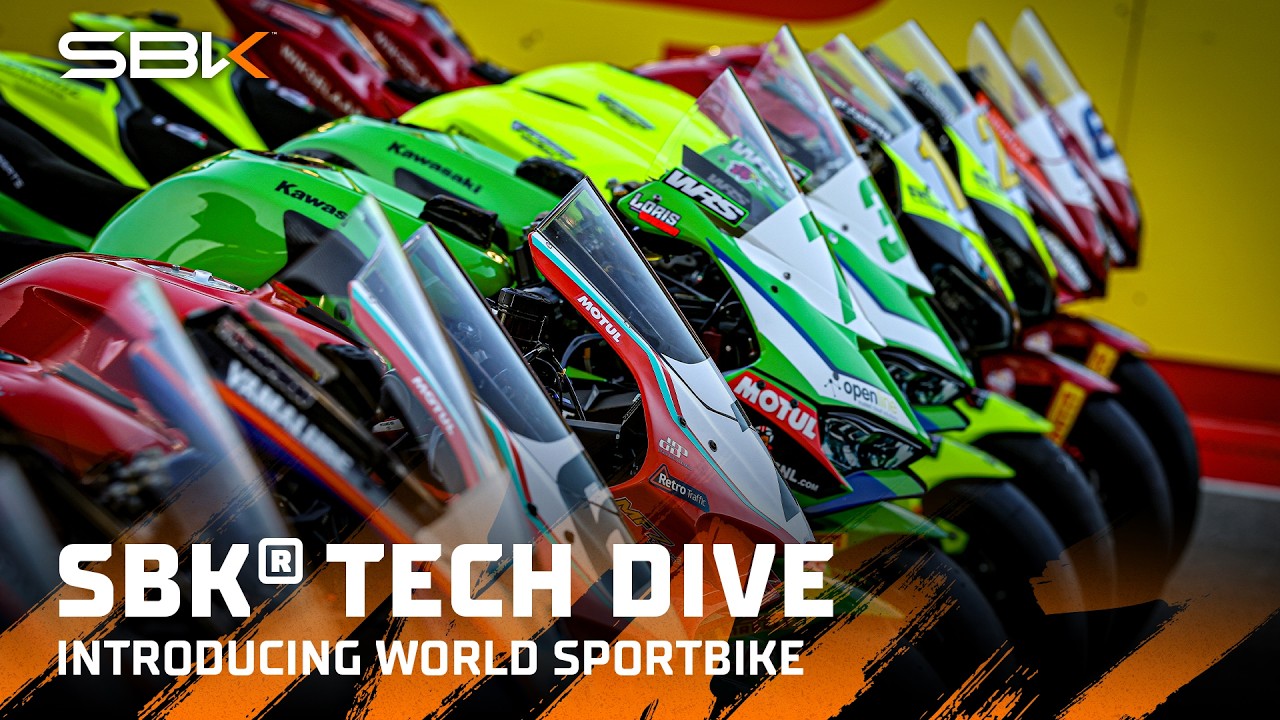
The WorldSBK paddock has quietly opened a new chapter this season with the launch of the FIM Sportbike World Championship — a brand-new class that replaces WorldSSP 300 and is designed to move young riders onto faster, more commercially relevant machinery.
The debut season began at Portimao with six manufacturers and a 33-rider field squared up over a platform built around one central idea: equalise the pace of wildly different motorcycles with a strict Balance of Performance regime so the racing can come down to riders, not engines.
In a technical explainer released by WorldSBK this month, a series engineer described the new class as a natural evolution of the entry-level product.

"The Sportbike category is actually like the little brother of the World Supersport category. So it's based on the same theory of using balance performance and controlling the performance of the engines to take a lot of different motorbikes and put them into one race," the engineer said.
The switch away from WorldSSP 300 was not simply a sporting decision. It was a response to how the showroom has shifted. WorldSSP 300 had faithfully mirrored the entry-level 300cc category when it launched, but buyer appetite has since migrated to faster sportbikes that sit between 400cc and 500cc — a class that has overtaken the 300s in global road sales.
"The decision to move from World Supersport 300 to the new Sportbike category is manifold," the engineer continued. "It was important for us to develop the riders further. Having a faster motorcycle develops the rider skills and makes the step to the Supersport category a little bit smaller. But we also need to look at what's selling on the road. The category that the Sportbike category is — a road bike category — is a developing marketplace and it's certainly overtaken the World Supersport 300 category. It was important that we race what gets sold on the Monday."
The BOP framework mirrors what Dorna uses in the Supersport next-generation class. Each bike is run through a two-stage homologation — first in standard trim, then on the dyno at an official partner — before the series sets baseline limits. The levers the organisers can pull during a season are deliberately narrow: combined weight, throttle-position-sensor limitation, and maximum engine rpm.

To monitor whether the baseline is holding, every motorcycle in the championship carries two data loggers, including a 25Hz GPS feed that records acceleration across every session. The raw data is handed to an external analysis company after each session, with any imbalance triggering a mid-season BOP adjustment.
"We will install on each motorcycle, on each manufacturer, some system where we have some recording, some data channels, one GPS 25Hz to see acceleration and all," the engineer explained. "After each session we collect all the data and give it to an external company to control it. In case of some overshooting or imbalance, we will adjust the balance of performance."
Early results have already delivered the sort of variety the organisers were chasing. Suzuki recorded a breakthrough result in the first rounds, claiming the Japanese manufacturer's first FIM Sportbike World Championship victory, while Chinese entrants QJMOTOR and Kove have been quick enough to make the series conversation intercontinental rather than European-only.
"By 2026 I expect that we're going to see a lot of new riders being developed," the engineer added. "Riders that were really strong on the World Supersport 300 might not necessarily be the people that shine on the Sportbike — but equally, talented riders always rise to the top."
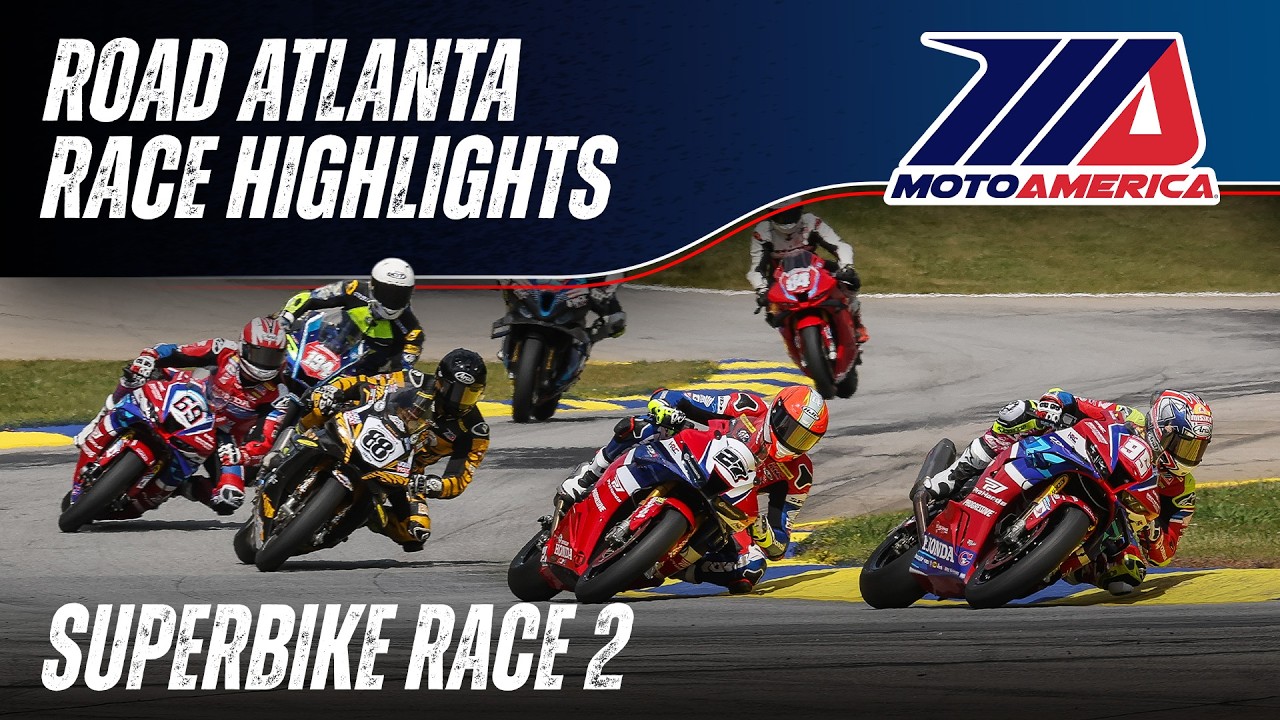
If the national series is any guide, the organisers should get their wish. The British, Italian and German championships have all adopted the new category in recent years and each has seen close racing with a broad spread of winning manufacturers — exactly the template WorldSBK is now trying to copy at world championship level.
---
*Originally published on [Motorsports Global](https://motorsports.global/article/fim-sportbike-world-championship-replaces-worldssp-300-2026-bop-explainer). Visit for full coverage.*