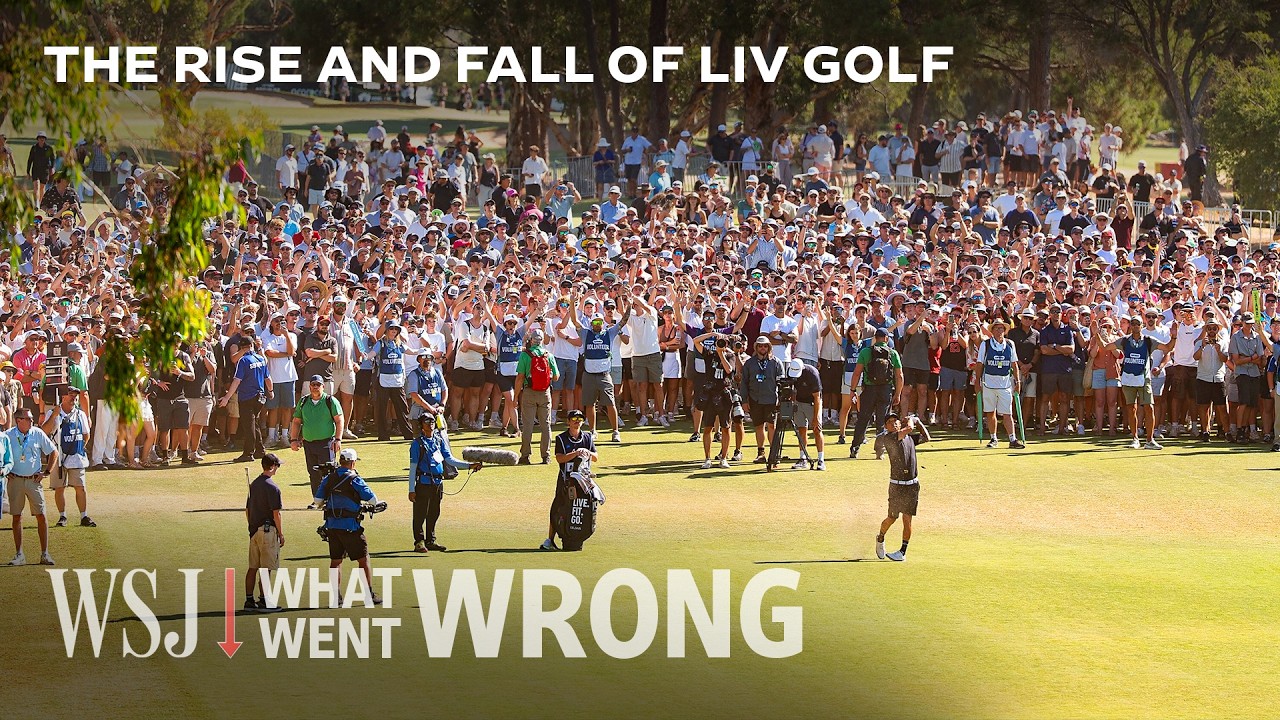
Two of the most-watched golf media analyses of the past week — a Wall Street Journal documentary and a long breakdown from broadcaster Peter Finch — have arrived at the same conclusion about LIV Golf's looming collapse: this was less a failed disruption than a $5 billion experiment that never built a self-sustaining business beneath its headline contracts.
The WSJ video, part of its What Went Wrong series, frames the league's predicament bluntly. Saudi Arabia's Public Investment Fund poured more than $5 billion into LIV from its 2022 launch, and is pulling its funding at the end of this season as part of a redirected 2026-2030 strategic vision aimed at domestic priorities and revenue-generating projects. "It's not officially the end of LIV, but it's not difficult to see how this is the beginning of the end," the WSJ reporter says, describing a league whose ticket sales "flagged" and whose blue-chip sponsors "were slow to sign on."
The biggest structural failure, in WSJ's reading, was the absence of a broadcast deal of the scale most major sports rely on. "LIV never got a massive broadcast deal like other sports where media rights often reach the billions," the documentary notes. "That left the league almost entirely dependent on Saudi funding."
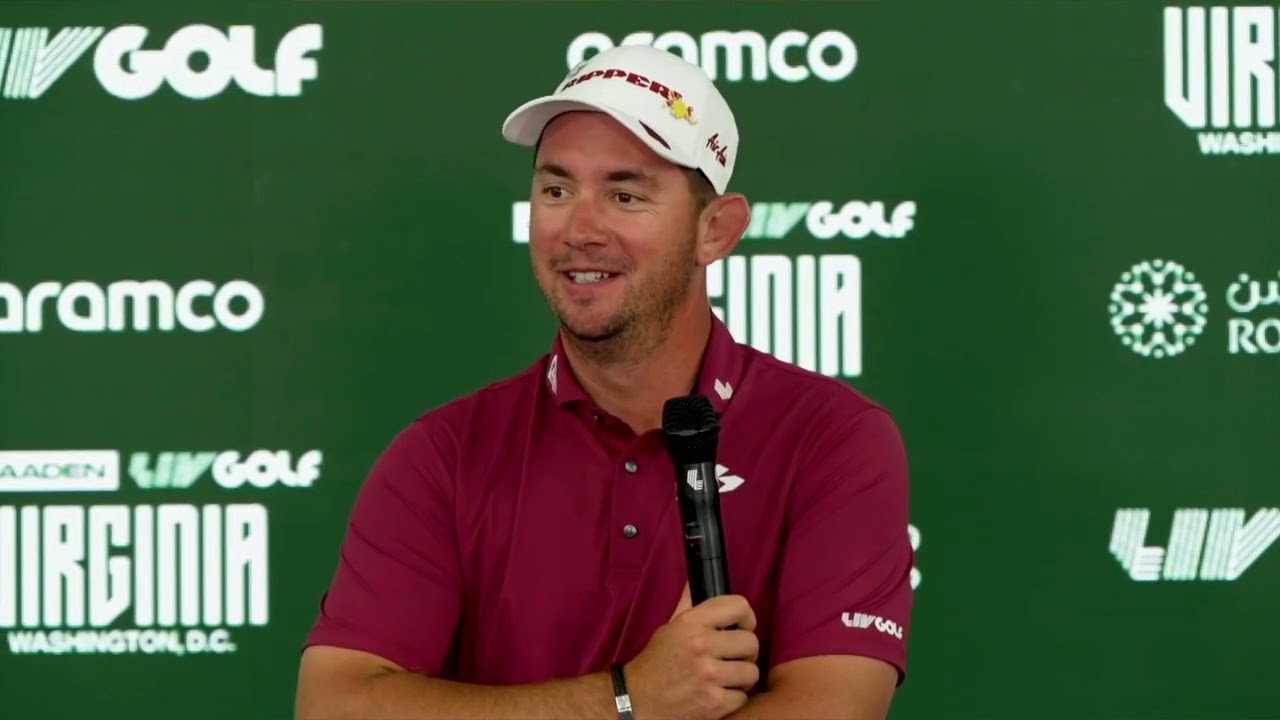
Finch, speaking on The Rough Cut Golf Podcast, supplied the financial scale in plainer terms. He estimated LIV had been losing somewhere between $500 million and $600 million a year and argued the tour had "never really managed to generate any substantial kind of media rights" despite a handful of well-attended events in 2026. The PIF, he suggested, simply ran the numbers: with the FIFA World Cup, the World Expo and other major sporting projects on its plate, LIV no longer cleared the bar.
Finch was even sharper on the contrast with the PGA Tour-aligned TGL, the indoor team-golf league that has secured TV rights and a clear cost structure. TGL, he argued, was "costed and funded" with a presentable business plan, whereas LIV "stands out and is different because it was solely funded by one entity." That entity, he added, may have effectively unlimited capital, but "the money will run out eventually" — and four years in, someone with an accountant's eye eventually asks what the end goal is.
Both accounts point to a public-relations problem LIV could never outgrow. WSJ describes the original sportswashing accusations levelled at the Saudi-backed league and notes the polarising launch — including Phil Mickelson's now-infamous remarks and the on-course fan signs reading "LIV Golf to me and to so many of us is more like death golf." Finch echoed the point: despite four years of operation, LIV "couldn't seem to shake the negativity around it," which he said likely scared off the outside investors needed to subsidise the league's eight-figure player contracts.
The practical fallout is now hitting individual players. Brooks Koepka has reportedly already paid up to $90 million in charitable donations, forfeited bonuses and lost equity to rejoin the PGA Tour through a one-time program, while others face case-by-case reviews with no guarantee of reinstatement. WSJ's source inside the PGA Tour was unsentimental about the precedent, framing reinstatement as a question of accountability rather than star power.
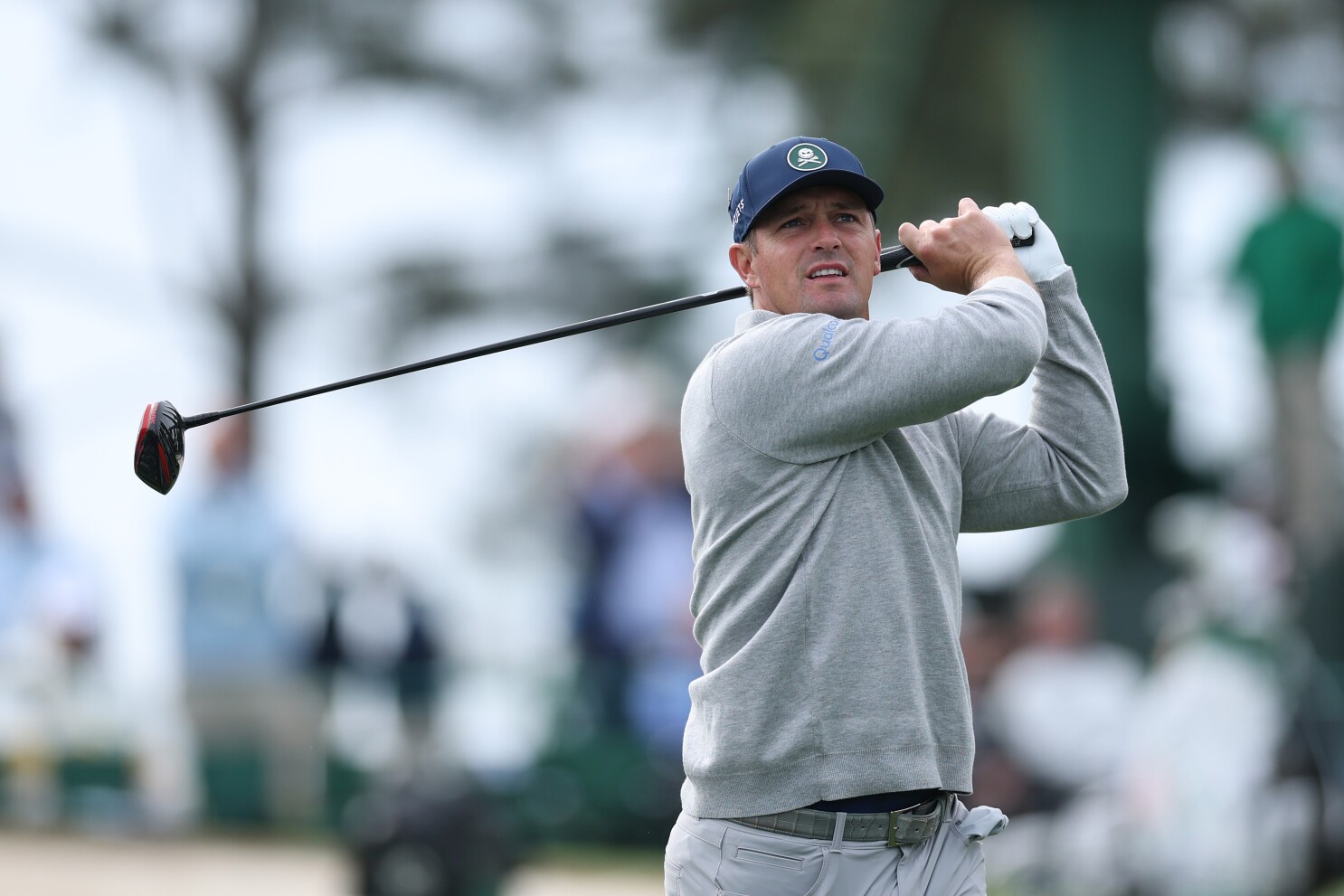
What both pieces concede, however, is that LIV's wreckage will leave a permanent mark on the sport. The PGA Tour has emerged with a higher pay scale, more aggressive scheduling and what WSJ calls "more innovative leadership" — the kind of change a "sleepy industry" had resisted before the Saudi money arrived to force the issue.
---
*Originally published on [Golf News](https://golfnews.global/article/wsj-peter-finch-liv-golf-failure-2026-pif-funding-cut-analysis). Visit for full coverage.*