One of the most dramatic equipment shifts in professional golf has quietly completed itself. Every player currently inside the Official World Golf Ranking top 10 now uses a mallet putter — a reversal of a century of tour orthodoxy that favored the elegant simplicity of the blade.
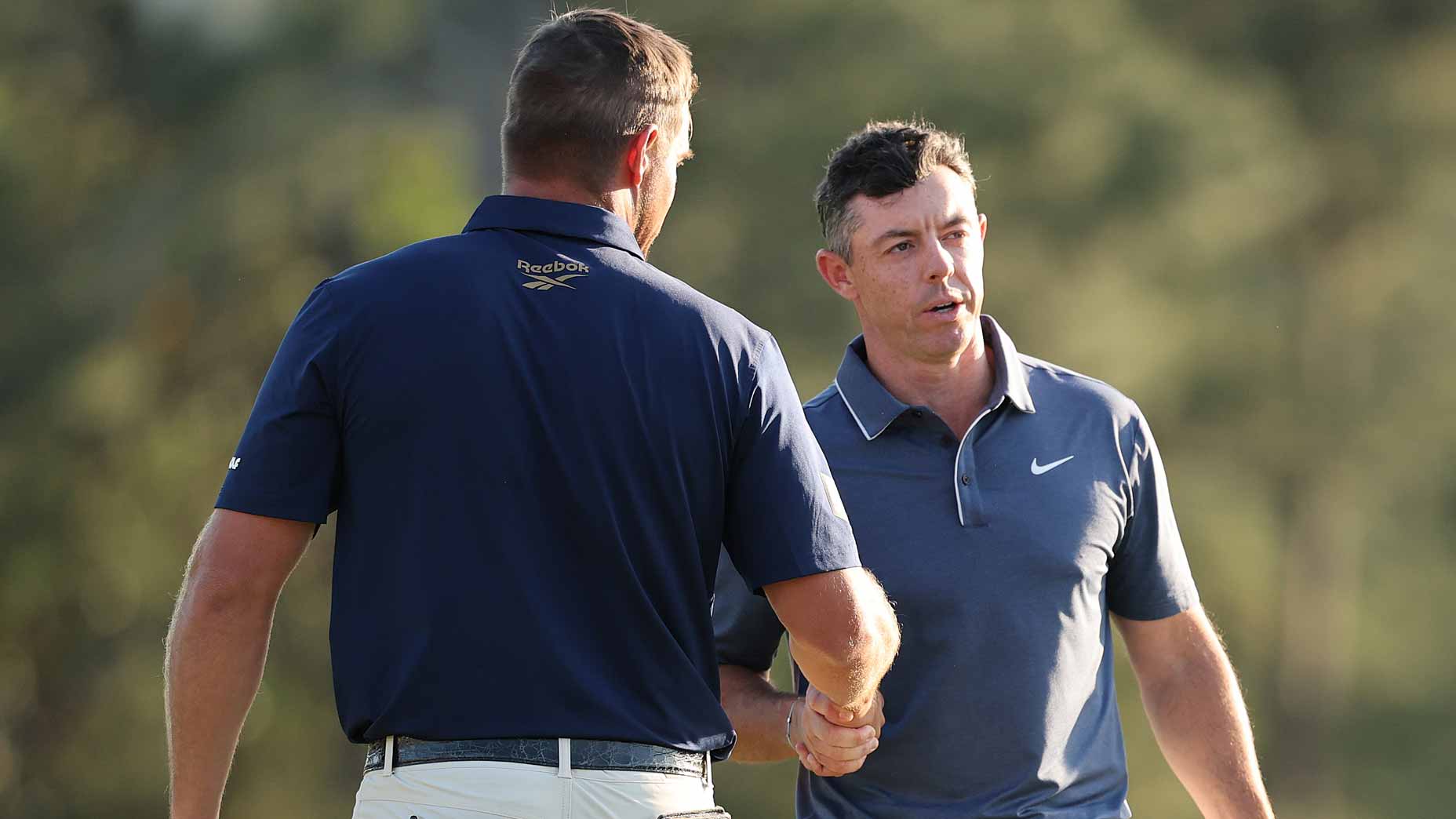
Rory McIlroy, the defending Masters champion, was among the most public converts, and he has been blunt about why he made the switch. The margin for error on a blade, he says, is simply too tight for modern tour golf.
"For me, going to a mallet was a big change. I really persisted with the blade putter for a long time, but I just feel like your stroke has to be so perfect to start the ball online," McIlroy said. "The mallet just gives you a little bit more margin for error and that, to me, gave me confidence that I could go forward with that knowing that even if I don't put a perfect stroke on it, the ball's not going to go too far offline."
World No. 1 Scottie Scheffler made a similar move during the 2024 season, switching to a mallet at THE PLAYERS Championship — a decision that coincided with the start of his statistical dominance with the putter. Scheffler pointed to visual alignment rather than raw forgiveness as the breakthrough.
"This week in '24, I believe I was still using a blade with the line on the ball," Scheffler said. "Going to that mallet where I don't have to line the ball up and it kind of gave me just a better visual for what I wanted to see, really just freed me up."
The physics behind the trend is straightforward. Mallet putters place mass further back from the face and toward the perimeter, raising the moment of inertia. On off-center strikes, the face resists twisting, so poor strikes still find something close to the intended line. Blades concentrate mass in the heel and toe and demand a pure center-face hit for the ball to hold its line.
Not everyone is convinced a switch is necessary. One tour veteran, asked about the equipment change around him, pushed back on the trend itself.

"A blade is sort of all I know, it's all I've ever known. So for me, as long as the ball comes out the way I want to, that's the most important thing."
Golf Digest analysts were also quick to caution that the mallet revolution is not a universal prescription. The question, they argued, is which design matches a golfer's stroke and visual preferences — not which is the most technologically advanced.
"Tour pros aren't choosing mallets because they look cool. They're choosing them because they tighten dispersion. They reduce variability. Putting isn't about numbers on a screen. It's played between the ears. If you aim a blade better, if you control speed better, if you like what you see at address, that matters more than MOI. The right putter isn't about trends. It's about what helps you start the ball online, control distance, and repeat it under pressure."
Still, the data tells its own story. With every OWGR top-10 player now on a high-MOI design, and with Scheffler and McIlroy producing career putting years since switching, the pressure on the last blade holdouts is mounting. Even within the tour community there is a wry sense that it would be dangerous for Scheffler to find any more margin than he already has.
"I'd love to see Scotty try a mallet, but selfishly for me, Scotty does everything else so well that he's given the rest of us a chance," one rival quipped.
The message from the equipment trailers at Sawgrass, Augusta, and Harbour Town in 2026 is clear: the blade era, while not dead, is no longer the default. For players fighting to hold on to their cards, for amateurs watching their idols on Sunday, and for club manufacturers betting on which designs to push next — the mallet is the modern face of tour putting.
---
*Originally published on [Golf News Global](https://golfnews.global/article/why-every-top-golfer-switching-to-mallet-putters). Visit for full coverage.*
