The third round of the 2023 Formula 1 season at the Australian Grand Prix has become a crucial testing ground for technical innovation, with seven of the ten teams unveiling significant upgrades aimed at optimizing performance at Albert Park's demanding circuit.
The upgrade packages, showcased during Friday practice sessions, highlight the intense competition between teams as they seek to gain even marginal advantages in what promises to be a closely fought championship battle.
**Red Bull Refines Front-End Balance**

World champions Red Bull have introduced modifications to their front wing, specifically targeting the combination of chord lengths and cambers to comply with racing regulations regarding continuous surfaces. The changes are designed to provide greater adaptability and improved overall balance on circuits that demand more front-end grip than the season's earlier venues.
Renowned motorsport analyst Gary Anderson explained the rationale behind Red Bull's approach: "Red Bull has a small modification to the trailing edge of the rear-most front wing element. I wouldn't really call it a car development, it's probably just to be able to get more front end on the car as an Albert Park balance requirement."
**Related:** [Maryland Fishing Report: Spring Conditions Bring Active Yellow Perch](/article/maryland-fishing-report-spring-conditions-bring-active-yellow-perch)

Team Dynamics
The upgrade appears particularly tailored to Max Verstappen's driving preferences, as the reigning world champion favors a highly responsive front end. This characteristic has previously created challenges for teammate Sergio Perez, though the Mexican driver has shown signs of adapting to the car's high-reaction nature as the season progresses.
"If you can cope with it, it is the fastest way," Verstappen remarked, underlining his confidence in the team's technical direction.
"If you can cope with it, it is the fastest way,"

**Mercedes Targets Aerodynamic Efficiency**
Mercedes, Red Bull's primary rival in recent seasons, has focused their development efforts on the car's underfloor aerodynamics. The team has revamped their floor edge wing by adding supplementary vanes on its underside, a modification aimed at enhancing airflow over the diffuser and improving overall efficiency.
Championship Implications
Given Mercedes' storied competition with Red Bull and their determination to close the performance gap, any aerodynamic advantage could prove significant in this season's championship fight.
**Alpine and McLaren Pursue Targeted Improvements**
Team Dynamics
Alpine has unveiled modifications designed to optimize aerodynamic flow, specifically targeting the fairing around the halo mounting to boost airflow delivery to the rear wing. This approach demonstrates the team's focus on maximizing the efficiency of existing aerodynamic surfaces.
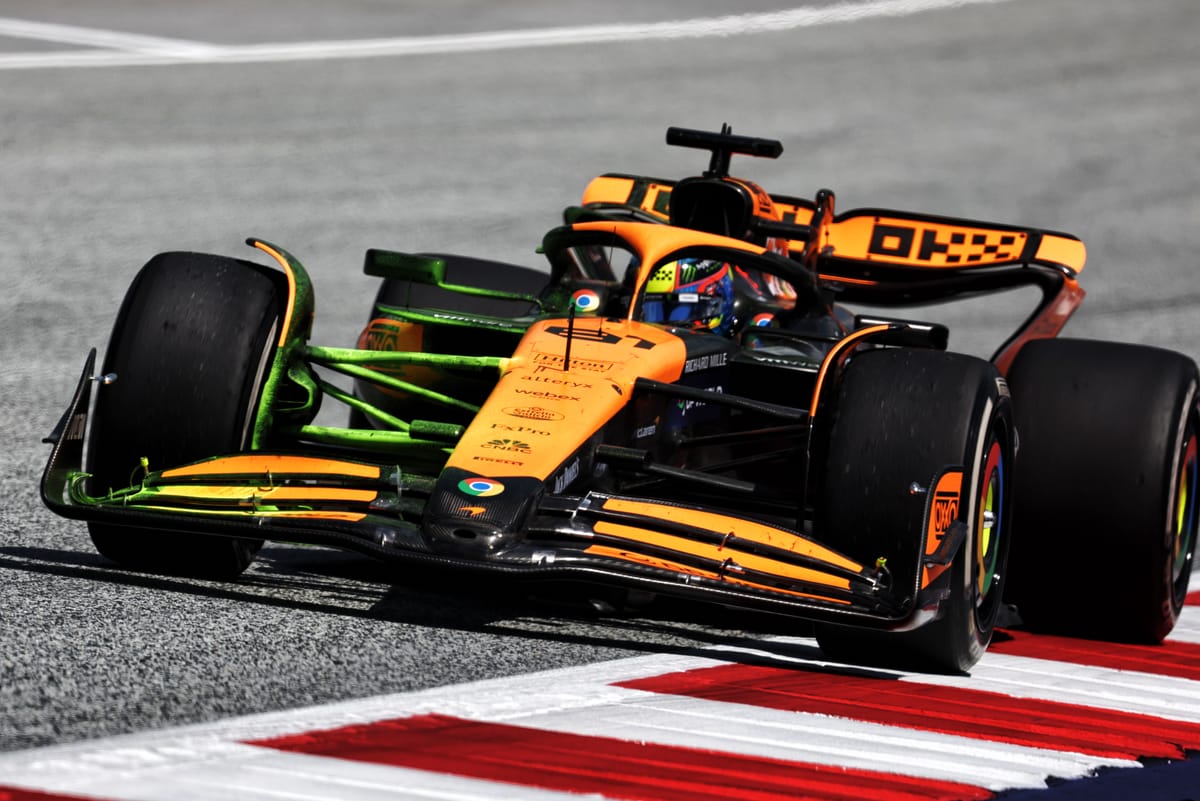
McLaren has taken a more conservative but strategic approach, implementing a smaller engine cover to align with Melbourne's lower cooling demands. Additionally, the team has realigned their tunnel entry vanes, modifications that will alter airflow patterns around the lower outer bodywork and potentially improve overall aerodynamic balance.
**Alfa Romeo Embraces Balance Philosophy**
Alfa Romeo's upgrade package centers on a new nose and front wing design that prioritizes aerodynamic balance. The team has changed the endpoint of the nose connection from the second element to the first, alongside introducing shorter chord mirror attachments designed to enhance cockpit airflow.
Anderson noted that this approach mirrors Red Bull's philosophy of providing drivers and engineers with broader balancing choices, allowing for more precise setup optimization across different circuit characteristics.
**AlphaTauri's Comprehensive Floor Overhaul**
In perhaps the most extensive upgrade of the weekend, AlphaTauri has introduced an entirely new floor featuring significant re-profiling behind the inlet fences. The modification aims to increase airflow efficiency, with the team noting particular benefits for rear floor performance at the very low rear ride heights typically employed during early braking phases.
The comprehensive package includes adjustments to tunnel fences and diffuser shape, reflecting AlphaTauri's determination to maximize vorticity and flow speed under braking conditions. The extensive nature of these changes underscores the team's urgency to find performance gains amid increasing competitive pressure.
**Williams Focuses on Downforce Precision**
Williams has introduced an upgraded front wing designed to provide more precise downforce levels, better aligning with the car's overall balance requirements. The team's approach has caught the attention of technical observers.
"Williams has added what can best be described as a 'growth' to the outer surface of the rear wing endplate," Anderson explained. This innovative addition is specifically designed to optimize airflow management around the rear tire, thereby enhancing diffuser efficiency.
"Williams has added what can best be described as a 'growth' to the outer surface of the rear wing endplate,"
Anderson emphasized how such incremental changes can translate into significant on-track advantages, particularly over a full race distance where marginal gains compound.
**Strategic Restraint from Leading Teams**
Notably, Ferrari, Aston Martin, and Haas have reported no significant modifications for this round, choosing instead to rely on their existing setups. This strategic restraint may indicate confidence in their current packages or a decision to concentrate development resources on future upgrades.
As the Australian Grand Prix weekend progresses, the effectiveness of these various upgrade packages will become apparent through practice times, qualifying performance, and ultimately race results. The technical battle at Albert Park serves as a compelling preview of the development war that will likely define the 2023 championship fight.