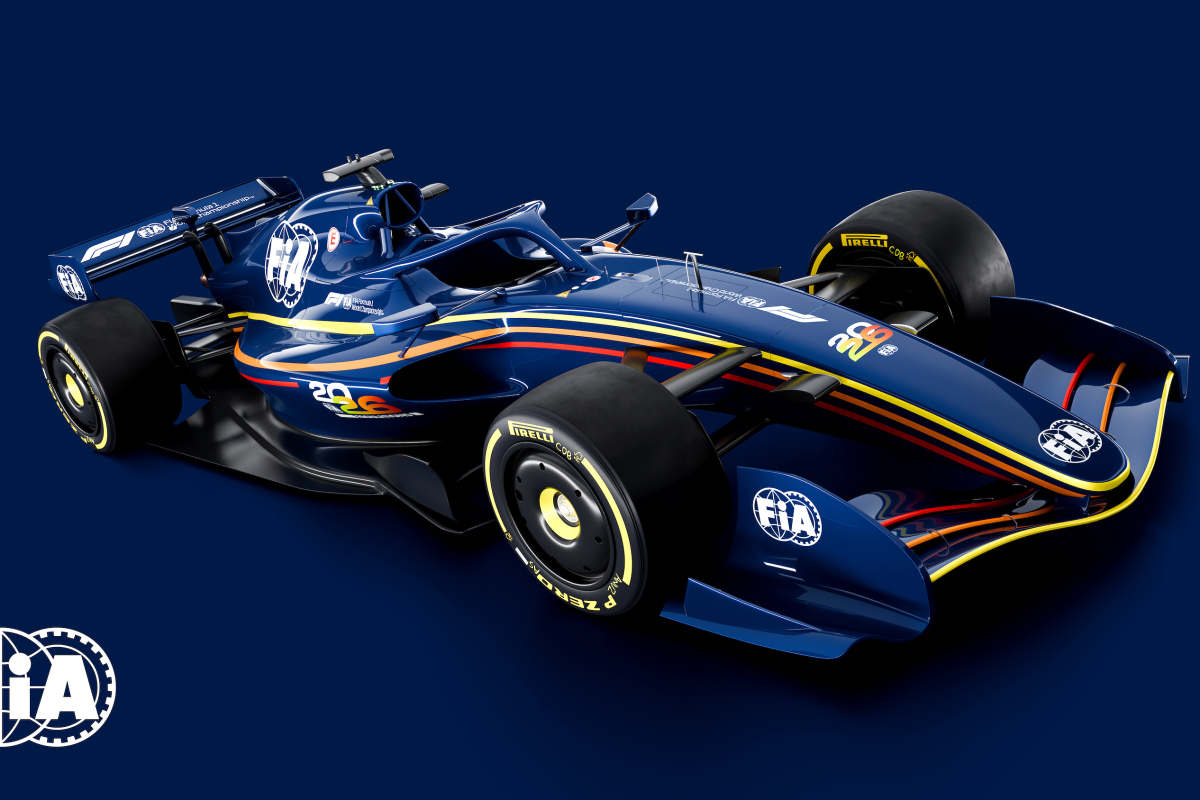
Exciting times are ahead as Formula 1 gears up for a major overhaul in its regulations with the 2026 season. The new rules, recently announced by the Federation Internationale de l'Automobile (FIA), promise to reshape the landscape of the sport, focusing on heightened competitiveness, enhanced safety, and a stronger commitment to sustainability.
"There’s a lot of debate about how regulation changes could impact championship contenders in the coming years," said an FIA spokesperson. Teams across the grid are well-aware of how past alterations have influenced their standing, and they are eager to adapt to the forthcoming rules.
"There’s a lot of debate about how regulation changes could impact championship contenders in the coming years,"

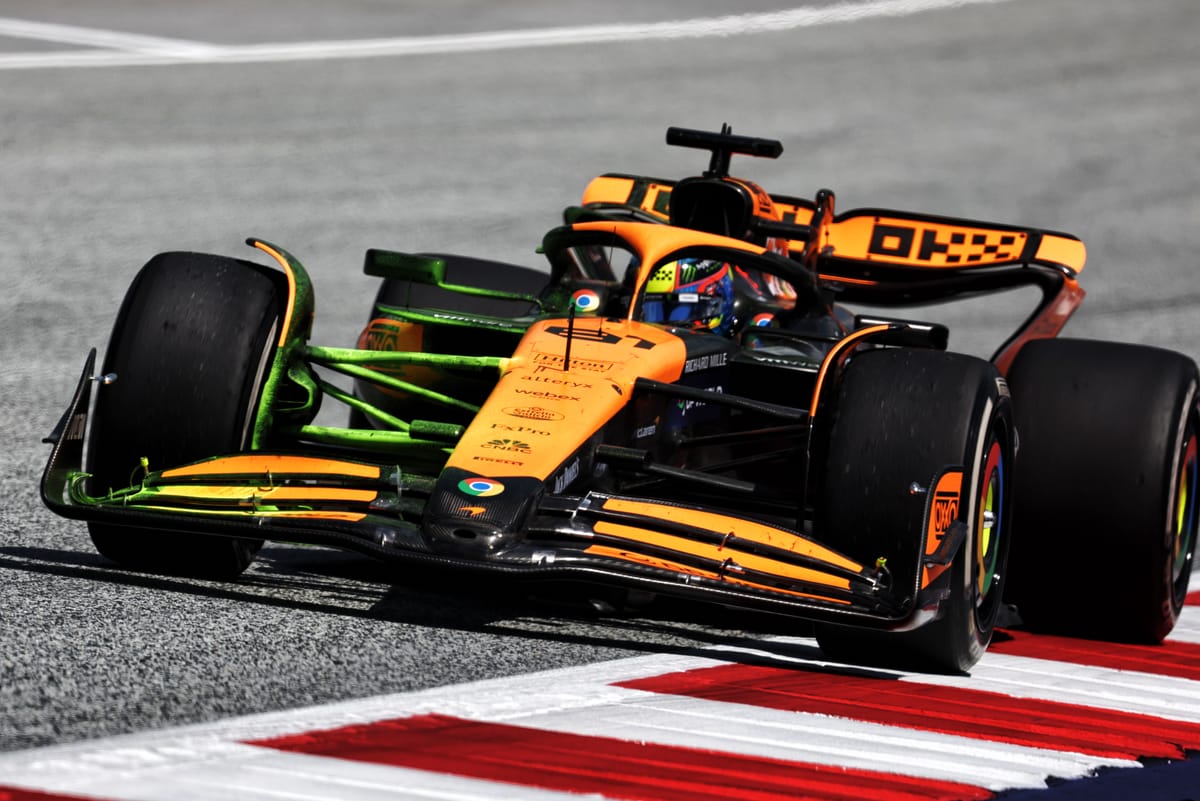
Central to these changes is a groundbreaking shift in the power unit specifications. The upcoming hybrid engines will include a significantly upgraded battery component that can generate three times the electrical power compared to the present systems, moving from 120kW to an impressive 350kW.
**Related:** [Russell Wins Thrilling Chinese GP Sprint After Six Lead Changes](/article/russell-wins-thrilling-chinese-gp-sprint-after-six-lead-changes)
Looking Ahead

Looking Ahead
Looking Ahead
"This is a pivotal step toward a more sustainable future for F1," explained a senior technical executive. While the internal combustion engine (ICE) output will decrease from 550-560kW to 400kW, the overall power available will still see a boost, produced in a more sustainable manner. This balance illustrates a strong commitment to modernizing the technology while addressing environmental concerns.

Looking Ahead
"This is a pivotal step toward a more sustainable future for F1,"
Moreover, the new specifications allow power units to capture double the energy from braking, which translates to a staggering capacity of 8.5 megajoules per lap. This feature signifies advancements in energy recovery systems, crucial for both performance and efficiency.
Team Dynamics
In addition to the power unit enhancements, aerodynamic regulations will undergo significant revisions as well. These adjustments aim to facilitate closer racing, encouraging drivers to compete more aggressively. "The goal is to promote more overtakes and bring back that thrilling edge of unpredictability to races," shared a leading team principal.
"The goal is to promote more overtakes and bring back that thrilling edge of unpredictability to races,"
The chassis design will also see changes, with a focus on creating lighter, nimbler cars that lead to better handling and performance on the track. This mission is aligned with ongoing safety protocols, as stricter measures will be enacted to ensure driver well-being. "Safety is always our priority, and these new protocols will ensure that we're setting the highest standards possible in this area," stated the FIA’s Director of Safety.
"Safety is always our priority, and these new protocols will ensure that we're setting the highest standards possible in this area,"
Current Season
As teams prepare for these upcoming changes, the path to the 2026 season will likely include intense planning and testing. Each team will need to balance innovation with reliability to outpace their rivals in this new era.
"Adaptability will be crucial," commented a veteran F1 analyst. "Teams that can navigate these changes swiftly and effectively will likely gain an edge in the upcoming championship battles."
"Adaptability will be crucial,"
All in all, the new 2026 regulations represent a holistic approach to revolutionizing Formula 1, emphasizing sustainability while ensuring the sport remains thrilling and competitive for fans.
Looking ahead, these changes could have long-lasting implications for the teams, drivers, and the overall dynamics of F1 racing. As the 2026 season approaches, anticipation is building not just for the technical innovations but also for the exciting racing that will follow in the sport's ever-evolving landscape.