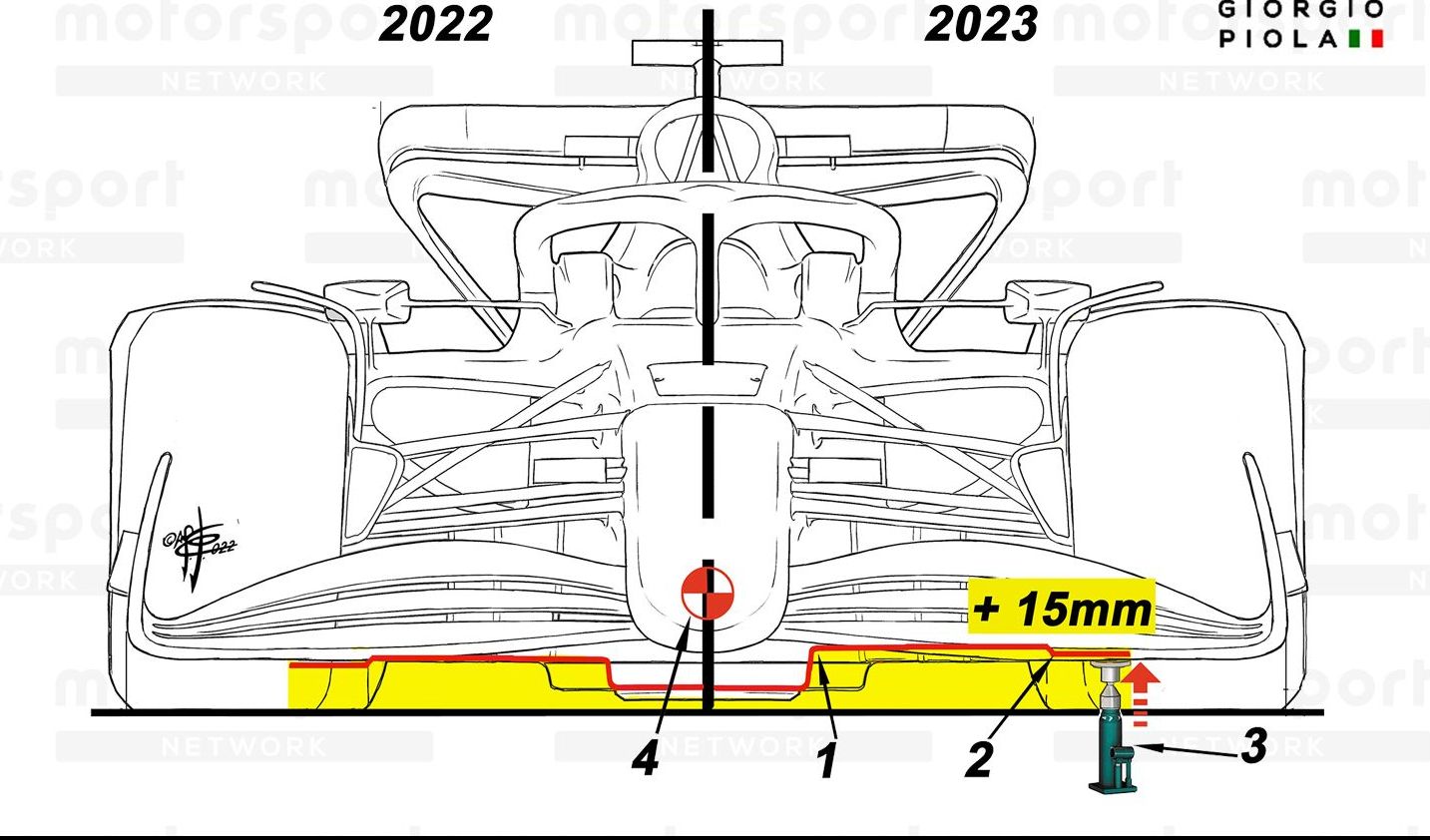
As the 2022 season wrapped up, Formula One teams and stakeholders are preparing for significant technical regulation changes set to take effect in 2023. Central to these changes is the car floor design, responding to issues such as porpoising that emerged throughout the last racing season.
"F1’s technical regulations are in a constant state of flux because the FIA is forced to make changes to keep the teams in line," said Matthew Somerfield from Motorsport Network. These adjustments typically follow major regulatory shifts, which has been the case since the rules overhaul in 2022. As teams adapt, the conversation between the FIA and constructors has grown essential.
"F1’s technical regulations are in a constant state of flux because the FIA is forced to make changes to keep the teams in line,"

The most significant modification concerns the height of the floor's outer portion. The FIA originally proposed a 25mm increase but has since adjusted its stance to a 15mm increase due to pushback from the teams. "There has been a back-and-forth dialogue...to find some common ground ahead of the adjustments," Somerfield explained.
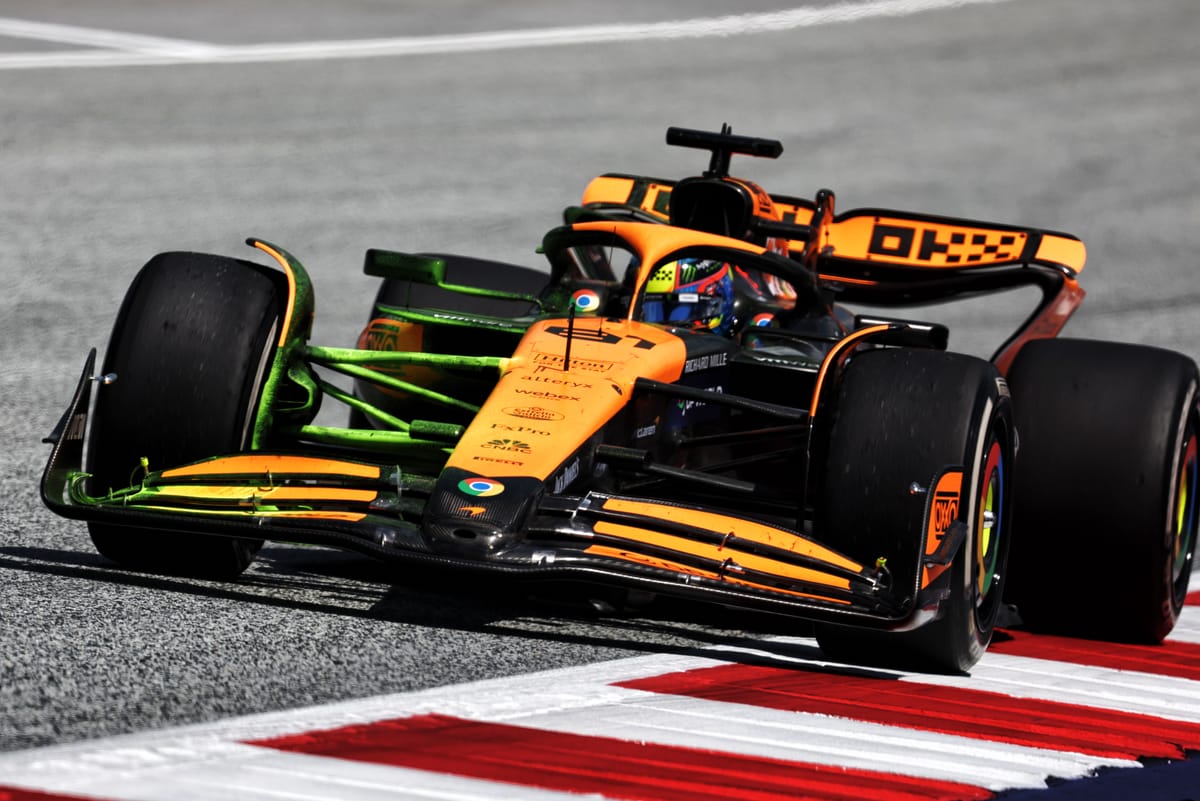
In an attempt to balance safety and performance, the FIA will now enforce stricter load tests for the floor. Teams must ensure it does not flex excessively; previously set at 8mm vertically under load, modifications now require just five millimeters of deflection under specified weights.
Further geometrical changes are also introduced to tidy up aspects left unresolved in 2022. Additionally, the compliance verification holes have been reduced from six to four. "The two in the central section of the plank were considered redundant," said an insider familiar with the discussions. This indicates a more streamlined approach to inspections and compliance.

"The two in the central section of the plank were considered redundant,"
**Related:** [FinCEN Announces New Regulations for CVC Mixing to Combat Crime](/article/fincen-announces-new-regulations-for-cvc-mixing-to-combat-crime)
Team Dynamics
But it is not just the car floor that sees alteration; the front wing regulations also undergo considerable changes. The FIA has imposed more restrictions on designs, particularly the flap and endplate connection, which effectively eliminates some of the designs, like the one introduced by Mercedes at the Canadian Grand Prix, that offered unintended aerodynamic advantages. "The FIA has given and taken away in terms of the front wing," noted an anonymous team executive.

"The FIA has given and taken away in terms of the front wing,"
Team Dynamics
Teams will have increased freedom with adjustability—rising from 35mm to 40mm, alongside a change to the fillet radius for structural components, from 2mm to 4mm. This could pave the way for innovative approaches within the tighter design framework.
Moving to the rear end, changes regarding the rear wing tethers represent another evolution in safety protocols. They must be mounted 60mm higher, representing a response to incidents that have arisen during the season. Safety remains paramount as the sport navigates competitive dynamics.
Impact and Legacy
The quest for enhanced safety doesn't stop there. Following the worrying incident involving Zhou Guanyu at the British Grand Prix, the FIA has introduced new requirements for roll hoop design. This includes a demand for resilience against both forward and rearward forces, and adding material considerations to withstand increased g-force impacts. "These new regulations will likely require some of the teams to redesign the roll hoop structure," a team safety engineer remarked.
"These new regulations will likely require some of the teams to redesign the roll hoop structure,"
Apart from structural updates, broadcasting innovations are also on the agenda. The 'visor cam', which has garnered positive feedback this year, will become a permanent feature of broadcasts as the FIA expands the number of designated camera positions from six to seven.
The weight specifications for cars are being lightened slightly, returning to pre-2022 minimum standards—an encouraging sign for engineers looking to optimize performance.
As we approach the start of the 2023 season, discussions around these updates illustrate the delicate balance between innovation and safety that defines modern Formula One racing. With teams adapting to new conditions, the landscape promises to be as competitive and dynamic as ever. The evolving nature of regulations ensures that all ten constructors remain focused not just on speed, but on adhering to the ever-changing framework of the sport.