Formula 1 represents the pinnacle of motorsport, where elite drivers pilot cutting-edge cars at mind-bending speeds. At the heart of this thrilling competition are the stringent technical regulations that govern every aspect of the vehicles, from design to safety protocols. These rules evolve constantly, challenging teams to innovate while adhering to the established guidelines.
"In Formula 1, all participants—including the FIA, teams, organizers, drivers, and circuits—must follow the sport’s rules and hold an FIA Super License," said David, a motorsport analyst. This foundational principle ensures that safety and fairness remain paramount as teams gear up for competition.
"In Formula 1, all participants—including the FIA, teams, organizers, drivers, and circuits—must follow the sport’s rules and hold an FIA Super License,"

One of the critical areas of focus in F1 is the aerodynamic components of the cars. These so-called Aero parts play a crucial role in how the vehicle interacts with the air when racing. According to the regulations, "the vehicle’s bodywork must be symmetrical, meaning both sides must be identical". This ensures that teams cannot gain an unfair advantage through asymmetric designs. Additionally, the FIA mandates that teams provide CAD models for inspection, emphasizing strict compliance with these regulations.
"the vehicle’s bodywork must be symmetrical, meaning both sides must be identical"
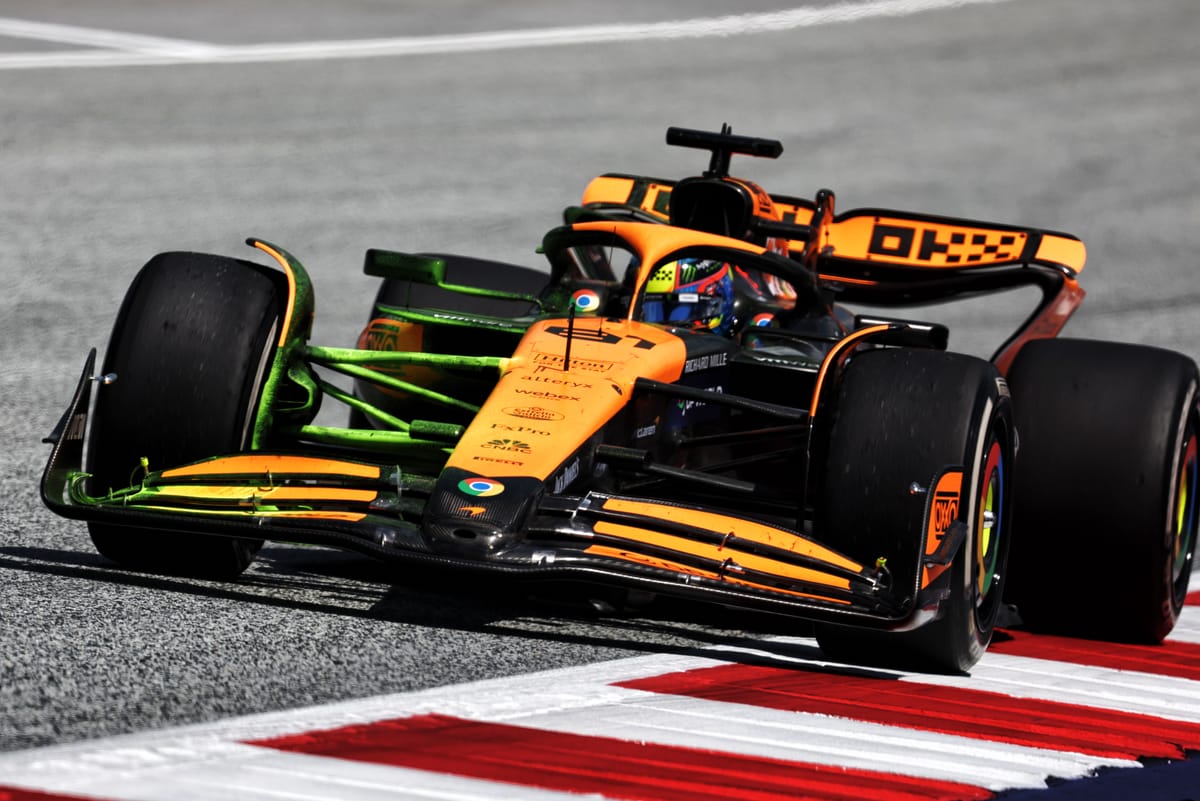
Weight regulations also play an essential role in the sport, with each car needing to meet specific standards. As part of the regulations, "the car’s weight, without fuel, must exceed 796 kg and can include ballast, as long as it is attached and immobile." This weight limit includes provisions for the driver, who must weigh no less than 80 kg during the race, ensuring that all cars are roughly equal in weight distribution.

Team Dynamics
The car’s power unit is another significant aspect of F1 regulations. These power units, which encompass the internal combustion engine, turbocharger, and energy recovery systems, must adhere to strict guidelines. "Only four-stroke, six-cylinder engines are allowed," an FIA official explained, detailing the need for standardized performance metrics. This ensures consistency across teams and prevents the risk of powerful innovations that could outpace the competition.
"Only four-stroke, six-cylinder engines are allowed,"
**Related:** [FIA Formula 1 World Championship Standings for 2025](/article/fia-formula-1-world-championship-standings-for-2025)

Furthermore, thorough stipulations exist regarding fuel and oil systems. Fuel tanks must conform to FIA specifications and are crafted from a single rubber bladder that has strict usage timelines. The rules dictate that "no coolant or oil lines can pass through the cockpit," ensuring maximum safety for drivers in case of an accident.
"no coolant or oil lines can pass through the cockpit,"
Electrical systems, which include a myriad of commands and controls, are tightly regulated as well. "Teams must register all on-car software versions with the FIA," a technical delegate confirmed. The overarching goal is to maintain a level playing field by standardizing how teams control their vehicles.
"Teams must register all on-car software versions with the FIA,"
Transmission systems in the sport are equally restricted under the regulations. All cars must be rear-drive with no systems allowed that prevent wheel spin or counter excessive torque. "Clutch operation should be through paddles, and holding positions are not allowed," one F1 engineer elaborated. This keeps the racing competitive and ensures skill remains integral in driver performance.
"Clutch operation should be through paddles, and holding positions are not allowed,"
Finally, the brake, suspension, and steering systems are also meticulously governed to optimize performance and safety. Cars are required to have sprung suspensions and independent systems for each axle. Importantly, "Power-assisted steering cannot be electronically controlled," confirming that teams must rely on mechanical systems to aid in driver handling.
"Power-assisted steering cannot be electronically controlled,"
With a central brake system and specifically designed components for managing performance, the regulations surrounding brakes and tires ensure every vehicle can perform effectively under race circumstances. These components include a single brake system with separate master cylinders for front and rear operations.
Looking Ahead
As Formula 1 races into the future, the ongoing evolution of technical regulations will continue to shape how teams design and innovate their cars. "Every new season brings its own set of challenges and opportunities for teams to adapt," an industry expert remarked. Ultimately, these rules not only safeguard the integrity of the sport but also foster the fierce competition that captivates fans worldwide, ensuring that the essence of racing remains alive and thrilling for years to come.
"Every new season brings its own set of challenges and opportunities for teams to adapt,"