
Day Zero attacks represent a significant threat in the realm of cybersecurity, manifesting as cyber assaults that capitalize on flaws in systems or software before these vulnerabilities are publicly known or patched by developers. The uniqueness of Day Zero attacks lies in the attackers’ ability to act swiftly, gaining leverage by exploiting weaknesses that have yet to be addressed.
"These attacks can take many forms, but they all share the same underlying principle: the attackers target a known weakness that still needs to be addressed," explained cybersecurity analyst Jamie Thompson. This conceptual framework illustrates the urgency and danger posed by these attacks, which can lead to unauthorized access to sensitive data or complete control over compromised systems.
"These attacks can take many forms, but they all share the same underlying principle: the attackers target a known weakness that still needs to be addressed,"

The nomenclature "day zero" is derived from the timing of the attack, occurring on the very first day that a vulnerability is publicly acknowledged. "This means the attackers can exploit the vulnerability before any patches or updates have been released to address it," remarked technology expert Alicia Wang.
"day zero"

Understanding how Day Zero attacks function begins with the identification of vulnerabilities by malicious actors. This could involve a flaw in the code, weaknesses in authentication protocols, or vulnerabilities present in third-party libraries incorporated by software programs.

"Once the attackers have identified the vulnerability, they typically develop an exploit that takes advantage of the weakness," said information security specialist Derek Chen. The nature of these exploits can vary greatly, but they are generally designed to take immediate advantage of the time before a defensive update can be deployed.
"Once the attackers have identified the vulnerability, they typically develop an exploit that takes advantage of the weakness,"
**Related:** [Google Issues Emergency Patches for Two Chrome Zero-Day Exploits](/article/google-issues-emergency-patches-for-two-chrome-zero-day-exploits)
Impact and Legacy
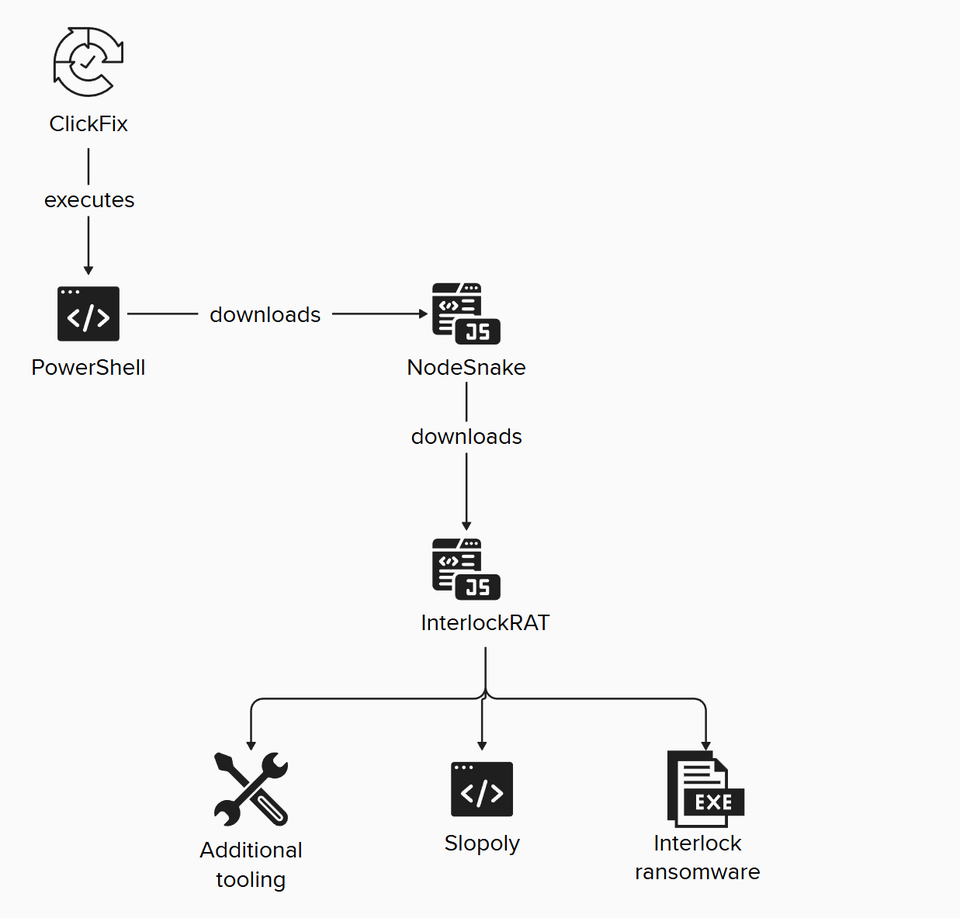
The impact of these attacks can be extensive, particularly for large organizations reliant on widespread software applications. "The repercussions can range from data breaches to severe operational disruptions," cautioned cybersecurity framework developer, Laura Green. These vulnerabilities can remain hidden until they are exploited, emphasizing the need for proactive vulnerability management.
"The repercussions can range from data breaches to severe operational disruptions,"
Organizations grappling with these risks often implement advanced threat detection systems and adopt cybersecurity best practices to mitigate exposure to such attacks. "Regular vulnerability assessments are crucial, as they help identify potential weakness before a day-zero attack can occur," noted security consultant Mark Stevens.
"Regular vulnerability assessments are crucial, as they help identify potential weakness before a day-zero attack can occur,"

Feeding into the larger cybersecurity ecosystem, the conversation around Day Zero attacks highlights the critical importance of timely software updates and continual vigilance. "No system can ever be completely secure, but awareness and preparedness can significantly reduce risk," advocated industry insider Nick Taylor.
"No system can ever be completely secure, but awareness and preparedness can significantly reduce risk,"
As technology continues to evolve and expand, so does the landscape of cyber threats. Understanding the mechanics behind Day Zero attacks is vital for organizations looking to secure their systems and protect sensitive data. The proactive identification of vulnerabilities will help stave off potential attacks, fostering a more secure digital environment in the long run.
