The 2025 Monaco Grand Prix is poised to offer a thrilling yet complex landscape for drivers, marked by intricate tire strategies amidst the pressures of one of the circuit's most daunting tracks.
Drivers will face the challenge of completing 78 laps in Monaco, navigating tight turns and iconic streets where danger lurks at every corner. The recent adaptations in regulations set the stage for a unique racing experience, as the sport aims to enliven the spectacle for fans and competitors alike.
At this year’s race, competitors are mandated to execute two pit stops, utilizing three distinct tire compounds. "If the race is run in dry conditions, they must use at least two different tire compounds," explained a regulatory official, emphasizing the new rules intended to enhance competitiveness during the event.
"If the race is run in dry conditions, they must use at least two different tire compounds,"
**Related:** [Lexus Celebrates First LMGT3 Win with New Tire Strategy](/article/lexus-celebrates-first-lmgt3-win-with-new-tire-strategy)
By the Numbers

By the Numbers
By the Numbers
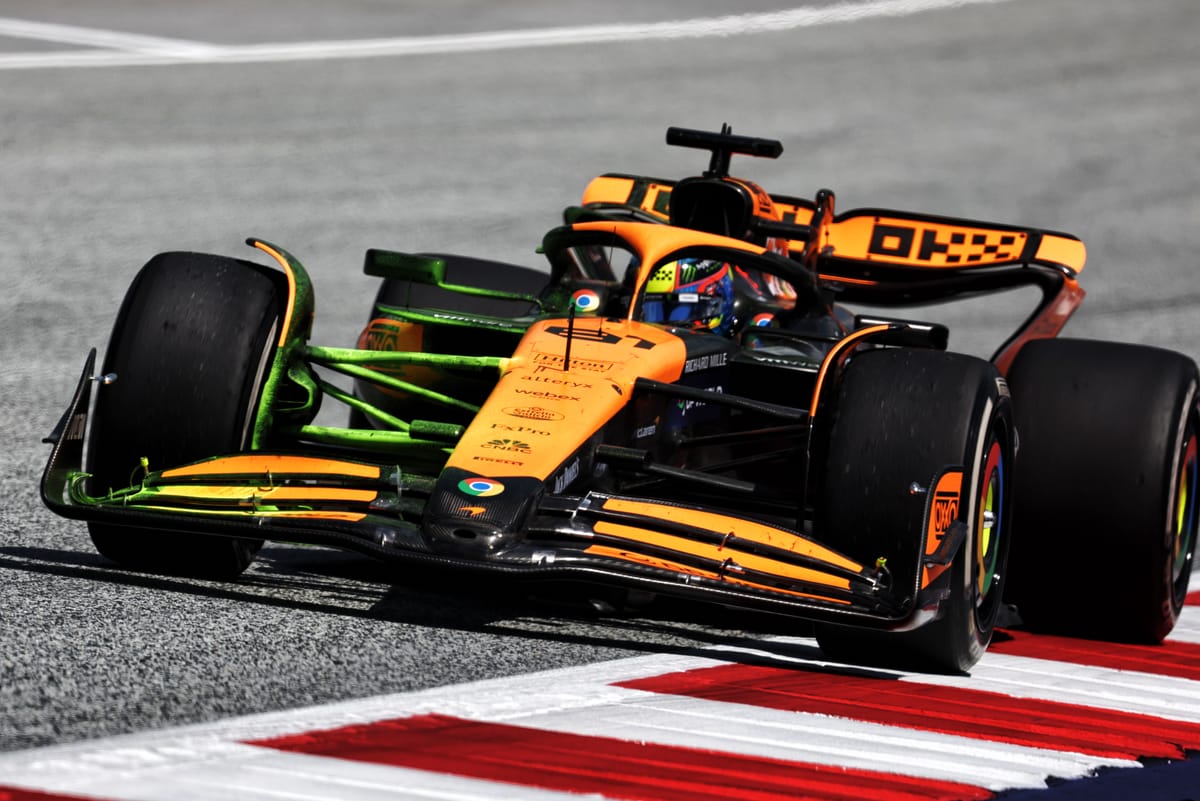
Lando Norris is already making headlines by securing pole position with a new track record, but how he and others will manage their tire choices is still uncertain. The two-stop rule increases the complexity of strategies available to the teams.

Traditionally, F1 drivers are required to use a minimum of two tire types during a race. However, Monaco’s regulations now compel them to make at least two stops, with teams forced to adopt strategies that could include combinations such as soft-medium-medium or soft-hard-hard.
Last year’s contest served as a significant turning point. Following a series of incidents that disrupted the flow of the race, the competition devolved into a parade with drivers, including Charles Leclerc at the front, largely managing their tires instead of racing closely. "It’s incredibly tough [to overtake in Monaco]. I think for me the difficult thing is that whilst I was right behind Charles for a lot of the race, it wasn’t because he was slow," expressed Oscar Piastri, reflecting on his experience.
As he elaborated, "It was because he was deciding to go slow, right? It’s not like somewhere else where they have clear strengths and weaknesses." Piastri attempted a move at Turn Eight but ultimately recognized the limitations of overtaking in such a challenging circuit. "I tried once into Turn Eight to try and get by. But, yeah, I watched it back and to be honest, I was even further back than I thought," he admitted.
Race Results
Impact and Legacy
The tire strategies are further complicated by the teams' varying selections for the race. According to insights from tire specialist Albert Fabrega, each driver has access to different compounds, which play a crucial role in their racing strategy. Fernando Alonso, for example, will be relying on a mix of scrubbed tires predominantly featuring hard and medium compounds, which could impact his performance under the new rules.
Alonso's teammate, Lance Stroll, similarly faces challenges with his tire selection. These variations among drivers underscore the strategic breadth teams must navigate as they prepare for Monaco’s labyrinth of twists and turns.
This year’s Monaco Grand Prix is not just a battle against opponents but also against the clock and tire degradation. As race day approaches with heightened anticipation, teams will need to balance performance with the strategies that could define their fortunes on the famed streets of Monte Carlo.
Looking Ahead
Looking ahead, the introduction of the two-stop tire strategy could lead to unpredictable outcomes and exciting developments throughout the race. It raises crucial questions about how drivers will adapt to the demands of the circuit under the new regulations, making the 2025 Monaco Grand Prix one to watch.