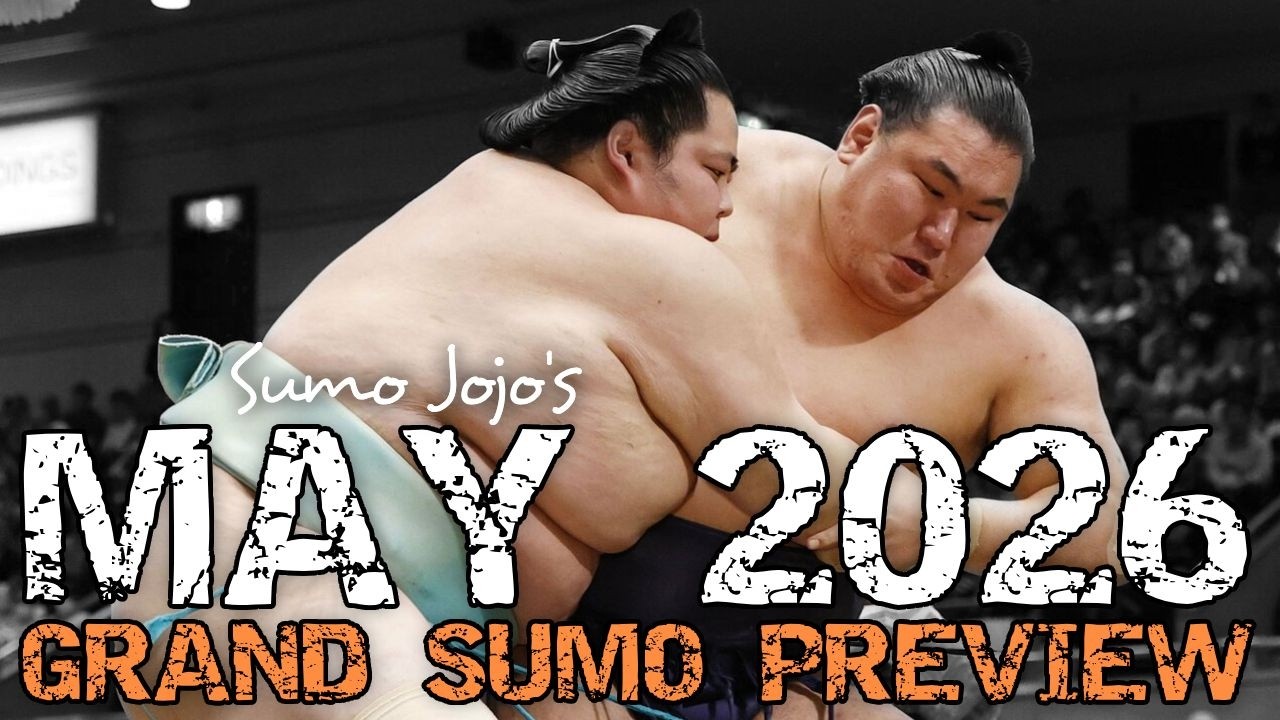
Takanohoho has snapped one of the longer ongoing make-koshi streaks in Makuuchi, ending eight consecutive losing records with a 9-6 performance in Osaka in March that earned him a three-rank jump on the May 2026 Natsu Basho banzuke.
The streak had defined the past two years of his career. Eight losing records in a row at the upper Maegashira and lower Sanyaku ranks meant Takanohoho slid steadily down the banzuke through 2024 and the first half of 2025, dropping from a brief Komusubi appearance into deeper Maegashira territory and reshaping the expectations attached to his career trajectory.
The March 9-6 reset that. Takanohoho closed the Haru Basho with a sequence of wins that pushed him out of the make-koshi pattern, into a comfortable kachikoshi, and onto a banzuke jump that lifts him three ranks. His May 2026 ranking places him back in the upper Maegashira range — the band of the division where most title contenders not named Yokozuna or Ozeki spend their tournaments.
The career arc is similar to several wrestlers in their late 20s who have struggled to convert junior-level form into long-term Makuuchi tenure. Takanohoho's basic sumo — yotsu-zumo grip work supplemented by occasional thrust sequences — has been technically sound throughout. The issue has been mid-tournament collapses, where strong starts (4-1 or 5-2 through five days) routinely turned into sub-.500 finishes through the second half of the basho.
The March pattern was different. Takanohoho built his win column gradually rather than through an early surge, was less exposed in the second half, and pushed past the kachikoshi line on day 13 — a scheduling pattern that protects winning records by giving the wrestler easier final-day matchups. The 9-6 was not a dominant performance, but it was the cleanest tournament he had run in two years.
The May 2026 banzuke places him in the broader middle layer of Makuuchi where the post-Osaka movement was particularly active. Asahakuryū, the 27-year-old Mongolian, made the biggest jump on the banzuke, climbing eight spots after his own 10-5 March. Chiyoshōma — also 10-5 — climbed seven spots, capped by a five-match winning streak to close the Osaka tournament. Asakōryū, Nishikifuji and Kinbōzan all moved up five spots.
For Takanohoho specifically, the question is whether the March result represents a baseline change or a one-tournament outlier. Eight straight losing records is not the kind of pattern that breaks easily, and most wrestlers who finally snap a streak of that length do so before falling back into the same problem within a tournament or two. A second consecutive kachikoshi in May would suggest a real shift; a 6-9 May would put the eight-tournament streak back in the conversation.
The Natsu Basho assignment is the test. Takanohoho's banzuke jump puts him within range of the Sanyaku (Sekiwake / Komusubi / Ozeki) ranks if he can string together two strong tournaments in a row. It also puts him within range of a sharp drop if March turns out to be the outlier.
The first dohyo bout on May 11 will start to answer the question.