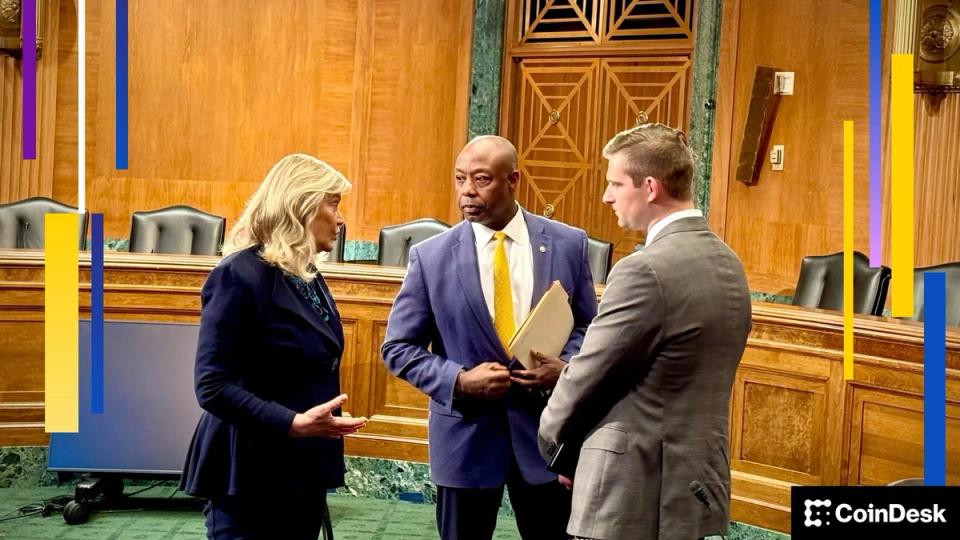
The Senate has unveiled a new draft of its cryptocurrency legislation, which highlights significant developments regarding decentralized finance (DeFi) protections and stablecoin rewards. This update has generated considerable attention from regulators and industry stakeholders alike.
"The committee plans to hold a Thursday hearing on the bill, which also contains a DeFi developer protection pushed by Senator Cynthia Lummis," said Tim Scott, Chairman of the Senate Banking Committee. These initiatives focus on ensuring transparency and security within the rapidly evolving crypto market, which has seen considerable growth.
"The committee plans to hold a Thursday hearing on the bill, which also contains a DeFi developer protection pushed by Senator Cynthia Lummis,"


The bill encompasses aspects that have been hotly debated among lawmakers and industry advocates, particularly regarding developer protections in the DeFi space and stablecoin yields. However, one notable omission pertains to political ethics, as it does not address concerns raised by Democrats regarding potential financial conflicts of interest among public officials involved in crypto businesses. "It didn't address the political ethics requests that Democrats made to curtail the kind of business ties fostered by President Donald Trump," noted a Senate aide, highlighting the ongoing legislative tug-of-war.
"It didn't address the political ethics requests that Democrats made to curtail the kind of business ties fostered by President Donald Trump,"
**Related:** [KLA Corporation Unveils $7 Billion Share Buyback and 21% Dividend Hike as AI Boom Fuels Growth](/article/kla-announces-7b-share-buyback-and-21-dividend-hike-at-investor-day)

Looking Ahead
Looking Ahead

Looking Ahead

Released just after midnight, the 278-page document aims to clarify how various federal entities, including the U.S. Securities and Exchange Commission and the Commodity Futures Trading Commission, will regulate the crypto markets. The introduction of this draft was timely, as it followed a document that circulated earlier among stakeholders, sparking anticipation regarding its implications.
"The latest release overlaps and expands on a document obtained by CoinDesk which circulated among industry stakeholders earlier Monday night," a source familiar with the proceedings explained. This new draft appears to be a response to lobbyist input and discussions held across the crypto community.
"The latest release overlaps and expands on a document obtained by CoinDesk which circulated among industry stakeholders earlier Monday night,"
Investors and market analysts are closely watching how this bill will shape the cryptocurrency landscape in the U.S. The fact that protections for DeFi developers were included indicates a recognition of the unique challenges and opportunities presented by decentralized finance. "We've worked hard to include provisions that support innovation while ensuring user protections," said Senator Lummis, reflecting a commitment to finding a balanced approach.
"We've worked hard to include provisions that support innovation while ensuring user protections,"
As the Senate prepares for its hearing on Thursday, the anticipated discussions will likely revolve around the viability of the proposed provisions and the lack of clarity on certain ethical issues. Experts argue that without clear ethical guidelines, the potential for conflicts of interest could undermine public trust in both the legislative framework and the crypto industry.
Looking Ahead
Looking Ahead
"It's critical that as we regulate this space, we also maintain the integrity of our government and the trust of the public," emphasized an unnamed congressional aide. This sentiment underscores a wider call for transparency and accountability, which many see as paramount for the future of cryptocurrency regulation.
"It's critical that as we regulate this space, we also maintain the integrity of our government and the trust of the public,"
Impact and Legacy
As the legislation progresses through the Senate, the implications of its final form could greatly influence the trajectory of the crypto market in the U.S. The stakes are high for both lawmakers and the financial tech industry, with potential outcomes capable of shaping the landscape for years to come. "The path forward will demand careful consideration and dialogue between all parties involved," concluded Senator Scott, hinting at ongoing negotiations that lie ahead.
"The path forward will demand careful consideration and dialogue between all parties involved,"
The growing complexity of the crypto market requires an adaptable and comprehensive regulatory framework. The Senate's renewed efforts illustrate a commitment to developing guidelines that address emerging technologies while safeguarding consumer interests. As discussions unfold, attention will remain fixed on how this bill evolves and its eventual impact on the future of cryptocurrency regulation.
