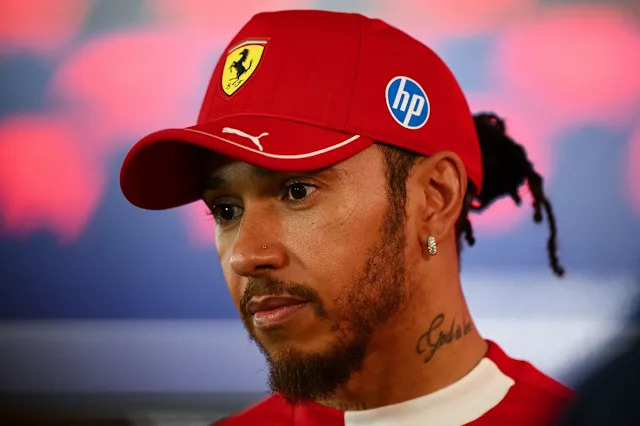
In the exhilarating backdrop of the Sao Paulo Grand Prix, the strategic decisions surrounding tyre choices took center stage as drivers navigated the demanding Interlagos circuit. Each team's approach varied based on their car's setup, tire degradation, and track conditions, emphasizing the critical role tyre strategies play in Formula 1 races.
"We had to adapt quickly based on the tire performance early in the race," said Lewis Hamilton, driver for Mercedes-AMG Petronas. Hamilton's team opted for a soft compound to maximize grip during the early laps. This aggressive strategy aimed to build an early lead before the anticipated pit stops would shuffle the field.
"We had to adapt quickly based on the tire performance early in the race,"
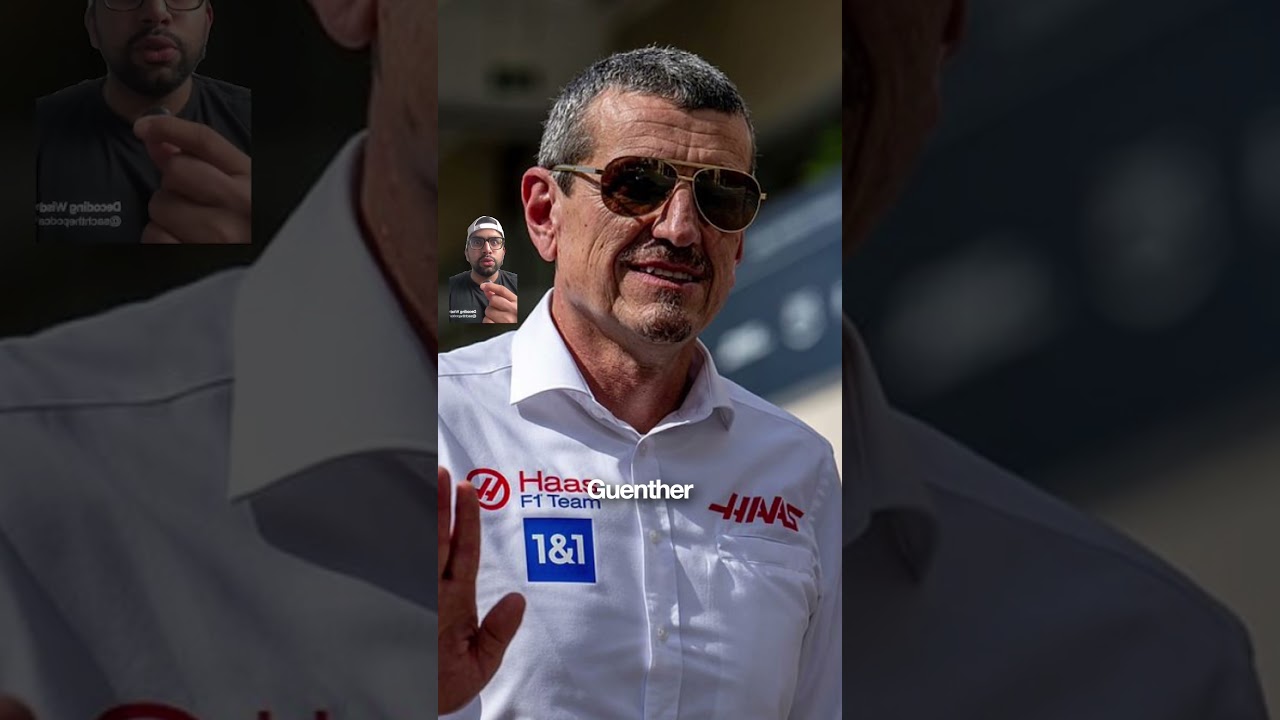
On the other hand, Max Verstappen, racing for Oracle Red Bull Racing, shared a different perspective. “We aimed for a longer stint on the mediums, believing it would pay off later in the race,” he explained. This strategy not only reflects Red Bull's confidence in their tire management but also highlights their meticulous planning that often differentiates them from competitors.
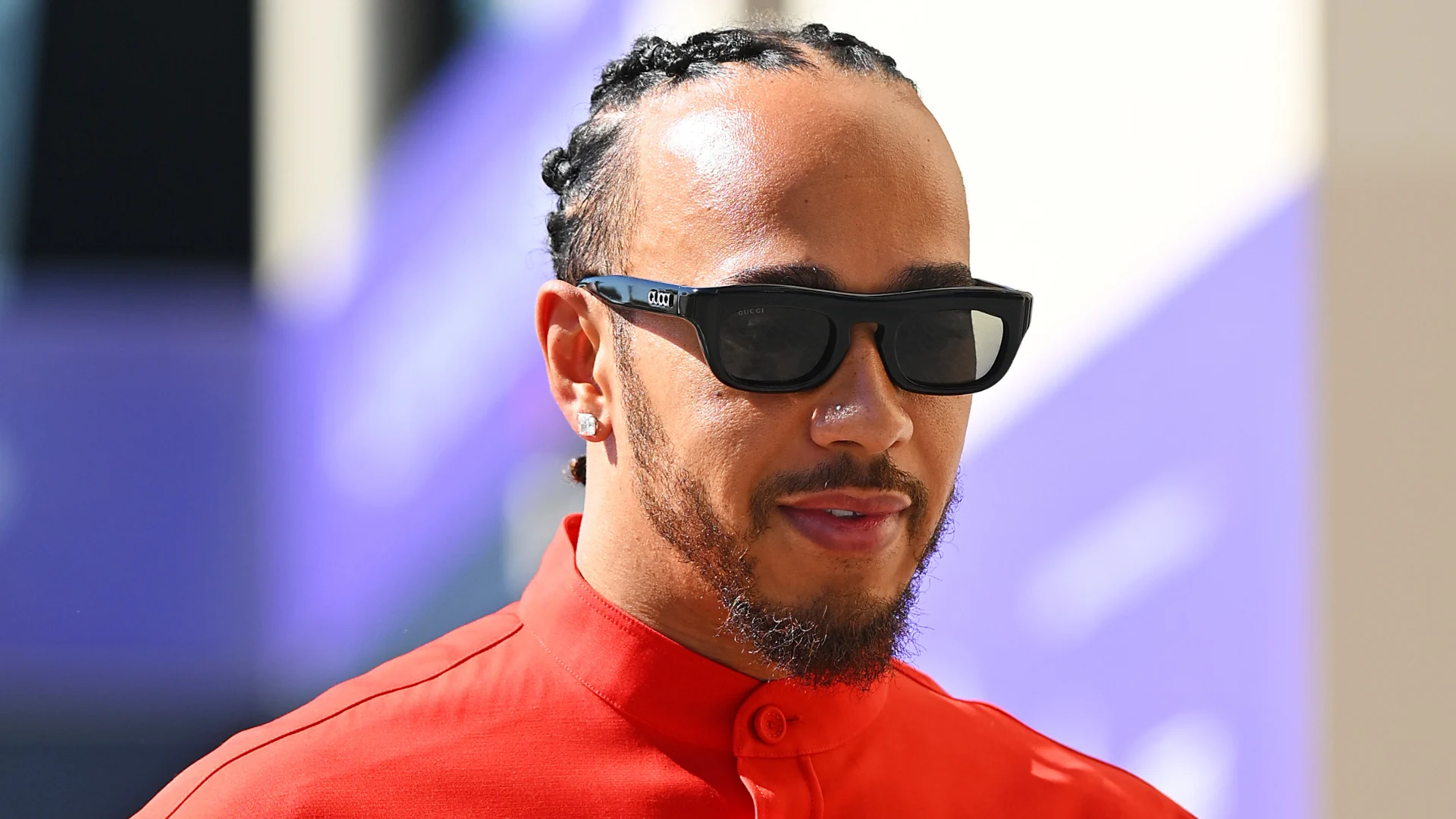
Ferrari's Charles Leclerc provided insight into his team's approach as well. “With our pace this weekend, we felt that a two-stop strategy could give us the edge we needed to challenge for a podium,” Leclerc stated. His optimism was underpinned by Ferrari's recent improvements in performance, showcasing their adaptability to varying conditions.
Looking Ahead

Tire selection is not just about immediate advantages; it also involves anticipating future conditions. “Weather changes mid-race can force us into unexpected strategies,” noted Fernando Alonso of Aston Martin Aramco Formula 1 Team. The Brazilian climate is known for its unpredictability, making real-time strategy adjustments critical.
**Related:** [2025 São Paulo Grand Prix: Norris Dominates at Interlagos](/article/2025-so-paulo-grand-prix-norris-dominates-at-interlagos)
As teams monitored tire wear closely, Esteban Ocon of BWT Alpine pointed out the efforts made in pre-race simulations. “We worked hard to find the right balance between pace and tire longevity. Each lap counts, especially when the track temperature fluctuates,” he remarked. The intricacies of tire performance not only change during the race but can shift dramatically based on the asphalt's temperature.
The significance of tyre strategy was further underscored by Sergio Perez, also from Red Bull Racing. “It’s a combination of the car's setup and how well the drivers can manage the tires throughout the race. Those who manage this will likely find themselves in a better position towards the end,” he indicated. This statement reflects the communal understanding among drivers that tire management can make or break a race.

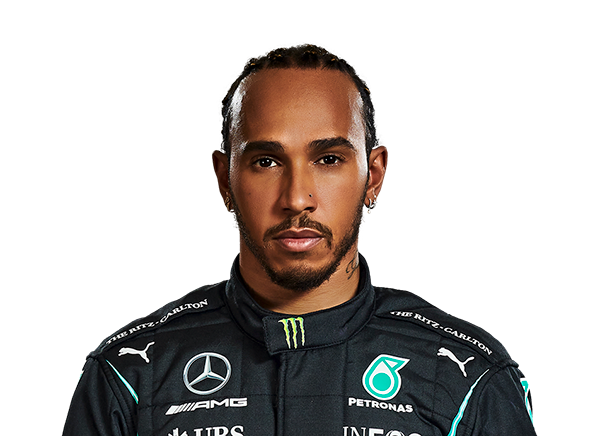
Moreover, Pirelli's Director of Motorsport, Mario Isola, commented on the varied strategies teams employ. “Different drivers have unique driving styles, affecting how they use their tires. Our role is to provide them with the right compounds to match their strategies.” Isola’s insights provide an overarching perspective on the collective efforts by both teams and tire manufacturers to create competitive racing.
As the Sao Paulo Grand Prix concluded, the diverging tyre strategies added an extra layer of excitement to the event. The various choices made by the drivers led to unexpected developments on the track, showcasing why strategic decision-making in Formula 1 is just as critical as raw speed. Teams that successfully navigated the complexities of tire wear emerged victorious, while others were left to ponder what might have been.
Impact and Legacy
In the end, the Sao Paulo Grand Prix served as a powerful reminder of the ever-evolving nature of Formula 1, where every decision, especially those related to tyre strategies, can profoundly influence race outcomes and championship standings. As teams review their performance, anticipation grows for the next race, where new strategies will likely emerge based on lessons learned in Brazil.