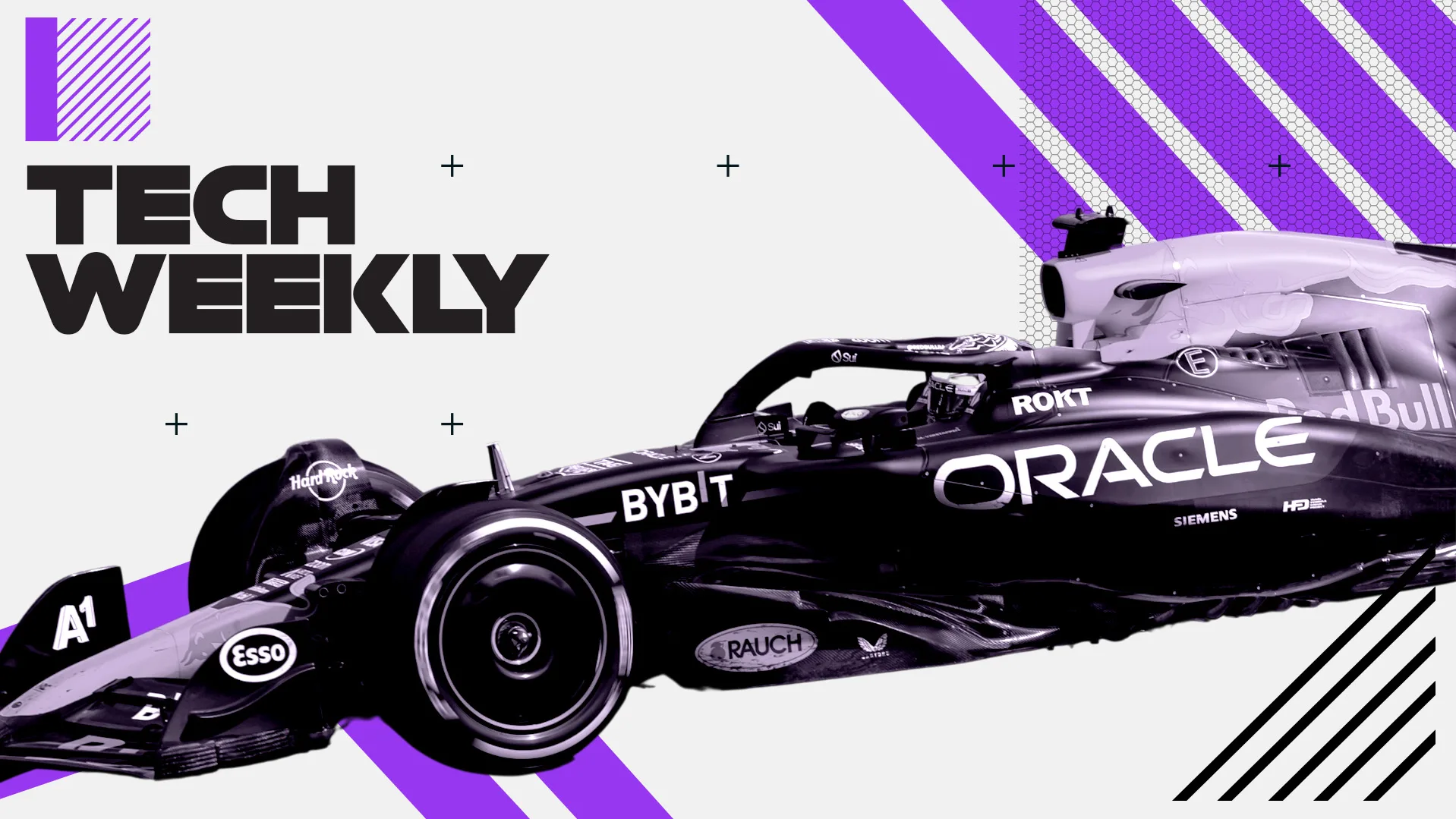
Red Bull Racing has recently implemented significant alterations to their car's bodywork, floor, and front wing in a bid to enhance performance at circuits that demand higher downforce. These upgrades were introduced during the Hungarian Grand Prix, indicating a strategic focus on improving the balance needed to navigate both low and high-speed corners effectively.
"The upgrades brought to the Hungaroring are specifically aimed at high downforce tracks," said a key member of the Red Bull team, underlining the targeted nature of these innovations. However, they will not be used at the upcoming Spa-Francorchamps weekend, showcasing a selective approach to racing strategies based on track conditions.
"The upgrades brought to the Hungaroring are specifically aimed at high downforce tracks,"

The changes come in response to a broader challenge that has emerged for Formula 1 teams with the current generation of cars. These machines are built under a set of regulations that has led to pronounced conflicts in handling dynamics. Specifically, there is often a struggle to create a vehicle that provides optimal downforce while achieving proper chassis balance, which is essential for navigating the complexities of an F1 circuit.
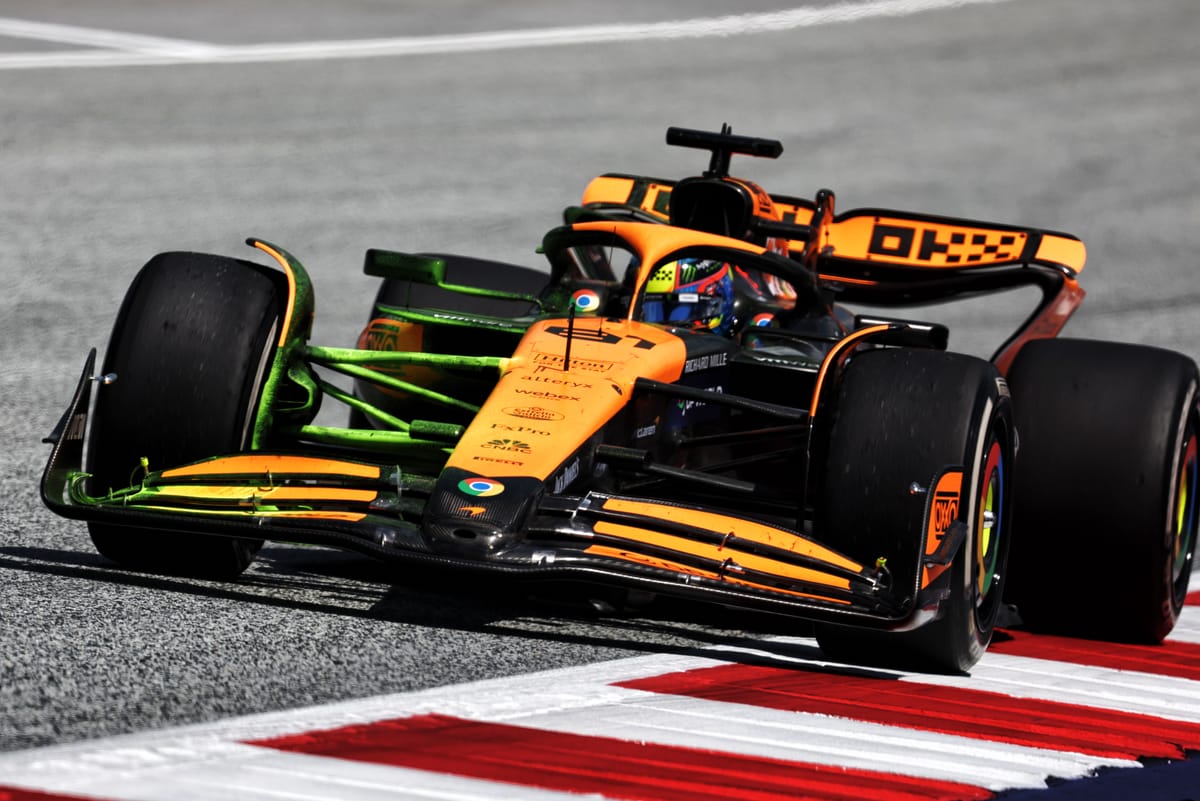
"This generation of cars has highlighted an ongoing issue - the balance through low and high-speed corners can often lead to compromised performance," explained Mark Hughes, a technical contributor. The regulated dimensions of the underfloor and front wing exacerbate tendencies for the cars to understeer at lower speeds and oversteer as speeds increase.
"This generation of cars has highlighted an ongoing issue - the balance through low and high-speed corners can often lead to compromised performance,"

This contradictory behavior represents an inherent conflict within the sport's current aerodynamic philosophies. Teams are continuously striving for the right configurations, as a poorly balanced car can drastically affect a driver’s performance on track.
**Related:** [Black Seabream Emerges as Premier Target for Mediterranean and Atlantic Anglers](/article/ultimate-guide-to-black-seabream-fishing-techniques-and-gear)
In addressing these challenges, Red Bull is not only focusing on their immediate competitive edge but also contributing to the larger discourse within the F1 community regarding car design and evolution. These upgrades represent a proactive step towards improving the overall reliability of car handling characteristics under varying track conditions.
Impact and Legacy

As the season progresses, analysts and team members alike will be monitoring how these enhancements impact Red Bull's performance compared to their rivals. As one executive remarked, "Understanding how to balance the setup will be crucial as we head into more challenging circuits."
In the larger context of Formula 1, it is evident that these technical developments are essential not just for Red Bull, but for the sport as a whole. Other teams are likely to view Red Bull's conclusions and modifications with keen interest, as they also seek solutions to the balance issues that have become a trademark challenge of modern F1.
The ongoing development in car technology speaks to Formula 1's commitment to innovation, ensuring that teams remain competitive while adhering to complex regulations. As the drivers gear up for the next race, the implications of Red Bull's upgrades will be closely watched by fans, pundits, and competitors alike, eager to see if they can harness the improvements effectively on the track.