Red Bull Racing has shown no signs of slowing down in its quest for performance as they unveil significant enhancements to the wings of their RB19 ahead of the Formula 1 season.
Arriving in Australia, the team introduced a freshly designed front wing featuring a modified flap arrangement, along with adjustments to the endplate and diveplane areas. "These changes were aimed at helping balance the car with the various rear wing choices we have on offer," said a Red Bull engineer involved in the modifications.
"These changes were aimed at helping balance the car with the various rear wing choices we have on offer,"
The most notable alteration to the front wing comes from its endplate configuration, which now boasts a more pronounced camber across the upper and middle sections. This adjustment is intended to optimize the diveplane's exposure to the airflow. "This likely helps improve the outwash effect too," the engineer noted, highlighting the delicate balance Red Bull must find between loading the inner section of the wing while maintaining performance.
"This likely helps improve the outwash effect too,"
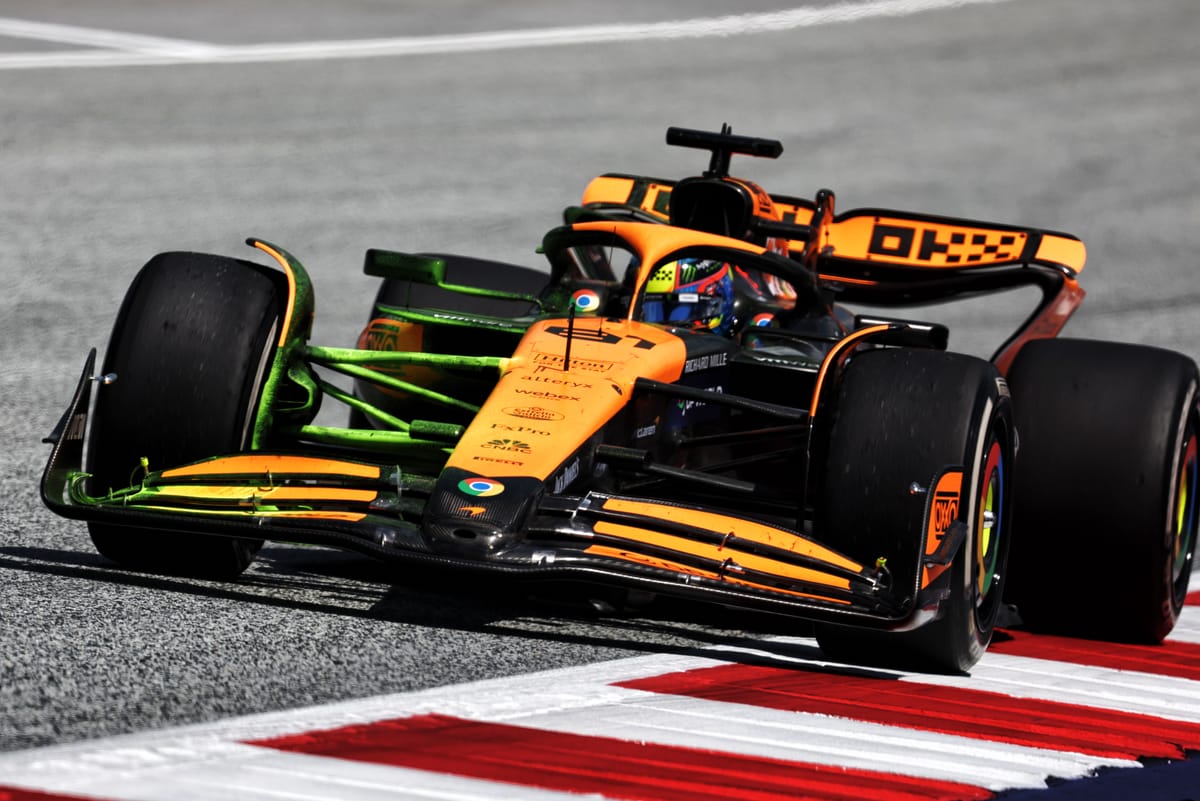
Moreover, the new flaps display differences across the middle span. "There is more chord presented at the inboard end, whilst there’s more camber all the way to the outboard adjuster," they elaborated, pointing to specific changes that include a crease and shade line in the upper flap design.

"There is more chord presented at the inboard end, whilst there’s more camber all the way to the outboard adjuster,"
But Red Bull's focus extends beyond just the front wing. The team has also made modifications to the rear brake duct to enhance cooling and airflow dynamics around that area of the car. "We don’t just focus on the external inlet of the brake duct; instead, we’ve displaced the leading edge of the end fence to better capture airflow between it and the sidewall of the tyre," explained another engineer involved in the project. This creative approach utilizes multiple mini fences to manage airflow trajectory effectively.
"We don’t just focus on the external inlet of the brake duct; instead, we’ve displaced the leading edge of the end fence to better capture airflow between it and the sidewall of the tyre,"
**Related:** [Super Touring Era: F1 Stars and Aero Wing Drama That Shook BTCC](/article/super-touring-era-f1-stars-and-aero-wing-drama-that-shook-btcc)

Race Results
The ongoing optimizations are the result of extensive computational fluid dynamics (CFD) and wind tunnel studies that have been instrumental in understanding how these surfaces interact with the airflow. "It’s all about fine-tuning what we already have to ensure we get the best performance possible," said a prominent member of Red Bull’s aerodynamic team.
"It’s all about fine-tuning what we already have to ensure we get the best performance possible,"
While Red Bull has focused on wings, their competitors are exploring various avenues for improvement. For instance, Alpine has taken a different approach with their A523. The team introduced upgrades focused on their car's fairing and halo winglets, showcasing diverse strategies among teams as they head into the new season.

Championship Implications
The series of upgrades by Red Bull underlines their commitment to staying at the forefront of Formula 1. As the track actions unfold through pre-season testing, observers closely monitor how these modifications perform under real conditions. The team’s relentless pursuit of performance indicates that they won’t rest on their laurels despite already being viewed as front-runners in the championship.
Team Dynamics
With the anticipation rising for the opening races of the season, Red Bull's adjustments signal their intention to build upon an already competitive foundation. "Every small improvement counts; we are always looking for that extra edge,” remarked a team strategist. As the season resumes, it will be fascinating to see how effectively these enhancements translate into on-track performance.