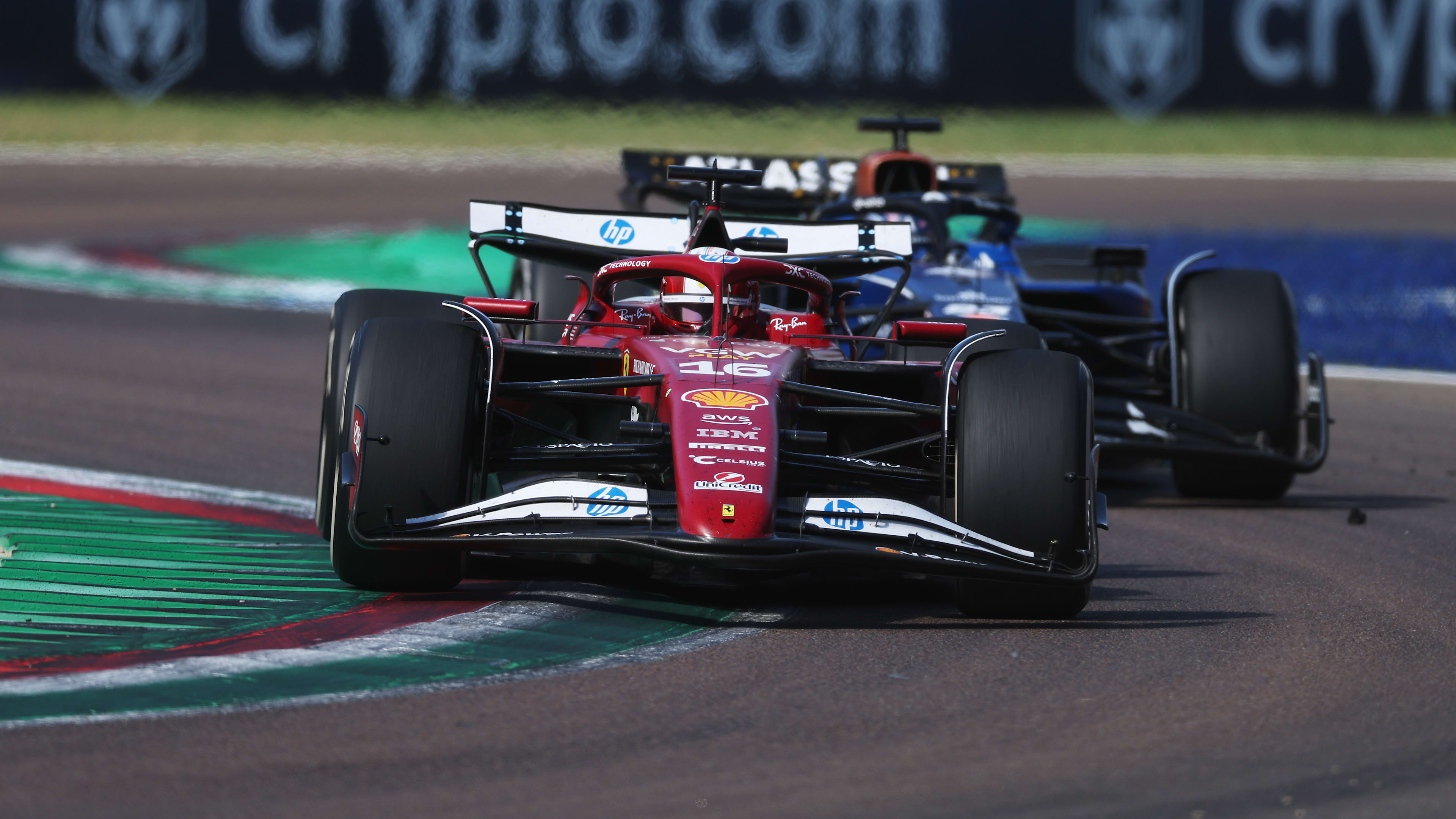
During the recent Emilia-Romagna Grand Prix, Pirelli's initiative to introduce a new tire compound unexpectedly influenced the race's strategic landscape. The company released the softest tire, the C6, designed to be utilized exclusively during qualifying. This decision, combined with the C4 and C5 compounds, was intended to enforce a race dynamic that would lead teams to adopt a two-stop strategy as a more interesting alternative to a single-stop race.
"The basic idea was that the C6 would be a Qualifying-only tyre and that the combination of the remaining C4 and C5 would still be too soft to make a one-stop feasible in the race," said a Pirelli representative. However, the outcome deviated from their original expectations.
"The basic idea was that the C6 would be a Qualifying-only tyre and that the combination of the remaining C4 and C5 would still be too soft to make a one-stop feasible in the race,"
As race day unfolded, teams quickly realized that the strategies devised around the new tire didn't unfold as planned. Some drivers found that the grip provided by the C6 tire meant they could tackle the softest tires effectively during the race. Consequently, it allowed for a one-stop strategy that some teams had not anticipated.
**Related:** [Lexus Celebrates First LMGT3 Win with New Tire Strategy](/article/lexus-celebrates-first-lmgt3-win-with-new-tire-strategy)
In a post-race analysis, team strategists reflected on how this deviation shaped the course of the competition. "What Pirelli aimed for brought a different reality; we were able to stretch the tires more than we thought, leading to our team's chance to strategize differently," noted Scuderia Ferrari's head strategist.

"What Pirelli aimed for brought a different reality; we were able to stretch the tires more than we thought, leading to our team's chance to strategize differently,"
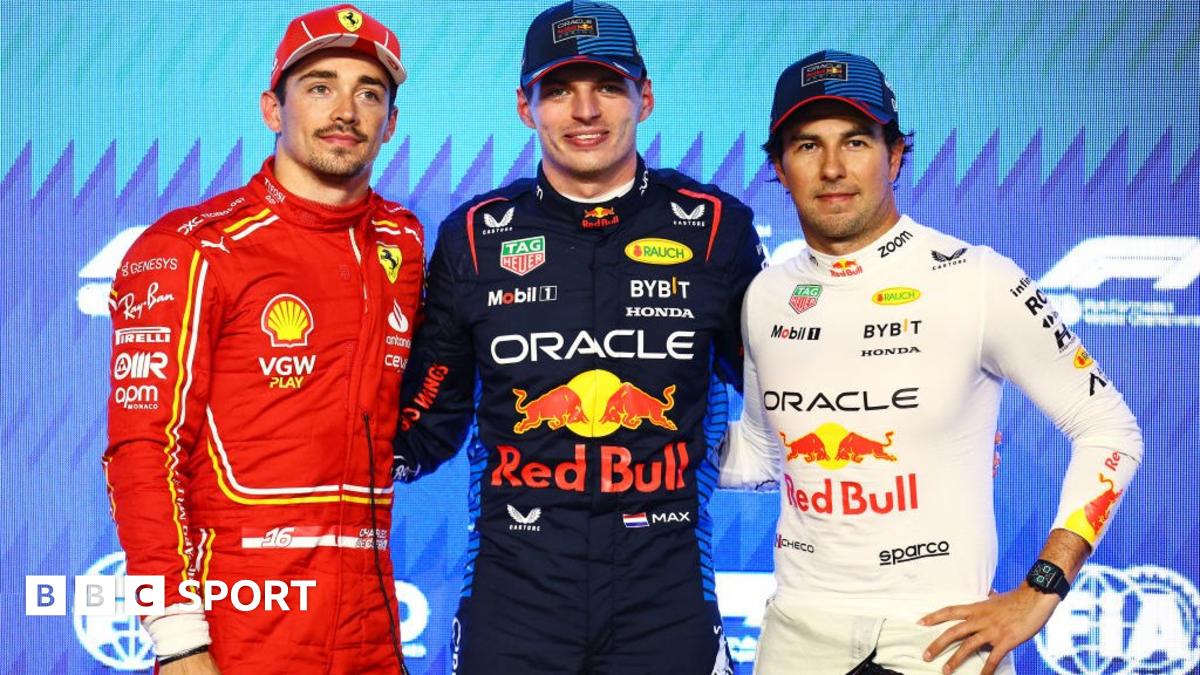
Drivers also echoed mixed feelings about the effects of the new compound on race strategy. Charles Leclerc, who drove competitively throughout the event, shared his experience: "I honestly felt the added grip allowed me to push beyond conventional limits. The tire strategy turned out to be more beneficial than we anticipated, even if it wasn't what we expected."
Qualifying

Qualifying
Qualifying
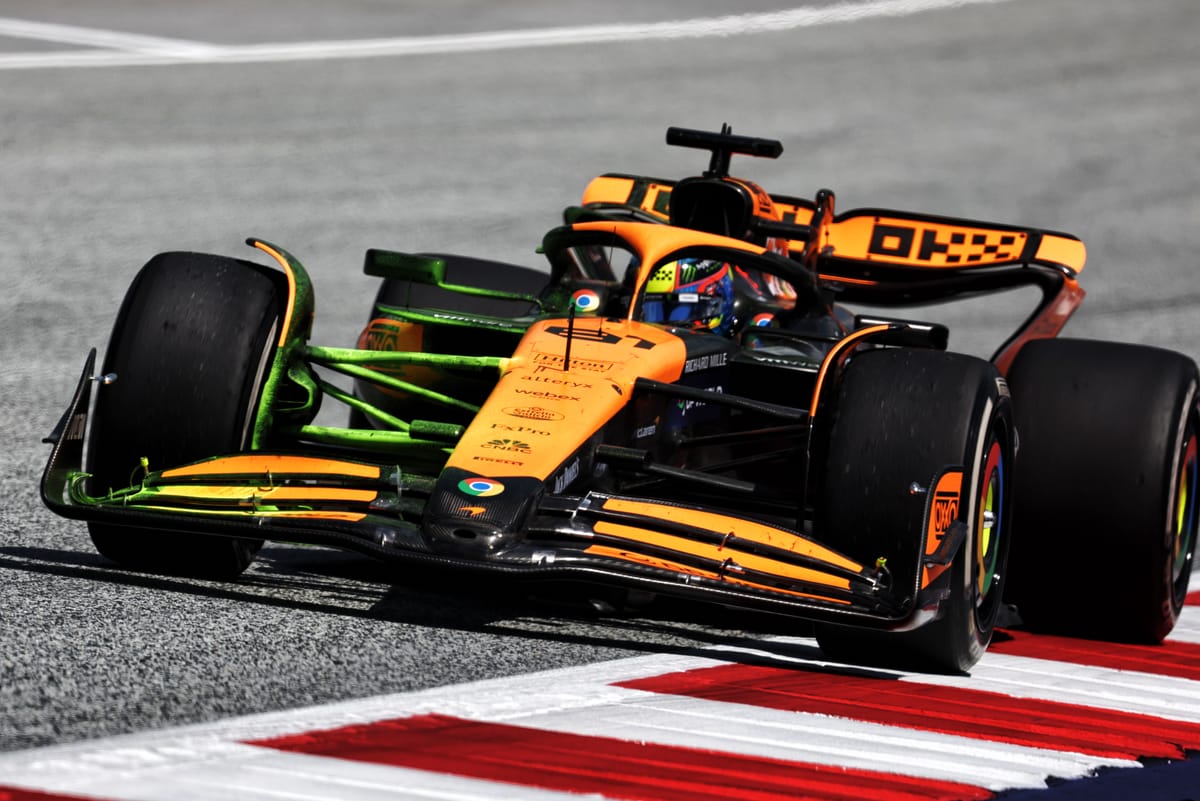
The introduction of the C6 tire had deeper repercussions throughout the grid. Teams like McLaren quickly assessed their strategies upon realizing their rivals were adapting more rapidly. "When we saw how effective the C6 was during the race, we had to reassess our tactics on-the-go," stated McLaren team principal. "It led to a more dynamic strategy than we initially prepared for, which made for an exciting race."
"When we saw how effective the C6 was during the race, we had to reassess our tactics on-the-go,"
Race Results
Race Results
Despite the confusion, the end result highlighted a compelling facet of Formula 1 racing: adaptability. Pirelli's strategy may not have panned out as they envisioned, but it undoubtedly prompted teams to engage in rapid tactical adjustments. Several drivers remarked on the challenge and excitement this shift introduced.
"The unpredictability of it all is part of what makes racing exhilarating," remarked a seasoned driver during a press conference. "These tire strategies can make or break a race in seconds, and that level of intensity is what we thrive on."
"The unpredictability of it all is part of what makes racing exhilarating,"
Looking Ahead
Looking ahead, it’s evident that this past race showcased the ongoing evolution of tire strategies within Formula 1. The unintended outcomes stemming from Pirelli's adjustments at Imola might serve as a lesson in balancing innovation with practicality.
As teams prepare for upcoming races, their findings from this experience will likely influence future race strategies and tire usage. With potential adjustments on the horizon, the challenge remains to leverage tire performance while navigating the complexities of competitive racing.