The 2025 Formula 1 season will stand out for its expansive structure, featuring 24 races across five continents. Amidst the frenetic pace and global logistics, Pirelli's tyre data illuminates how the championship operates behind the scenes. The extensive demands on teams, suppliers, and systems have reshaped race dynamics in subtle yet profound ways.
During this season, Formula 1 tyres amassed an astounding distance of 341,099 kilometres—enough to circle the globe eight and a half times. This figure encapsulates not just a remarkable statistic but the cumulative operational burden felt across the season. Every practice session in Melbourne to the final laps in Abu Dhabi added strain, driven by an increasingly dense calendar, rather than individual race intensity.
"It was not simply about aggressive racing, but about managing the sheer volume of operations," reflects a Pirelli spokesperson. The increase in freight movements and track mileage compounded the pressure, with heat cycles being pushed through each tyre set. The implementation of 24 races has introduced an entirely new level of wear, risk, and operational demands on the entire system.
"It was not simply about aggressive racing, but about managing the sheer volume of operations,"
**Related:** [KLA Corporation Unveils $7 Billion Share Buyback and 21% Dividend Hike as AI Boom Fuels Growth](/article/kla-announces-7b-share-buyback-and-21-dividend-hike-at-investor-day)
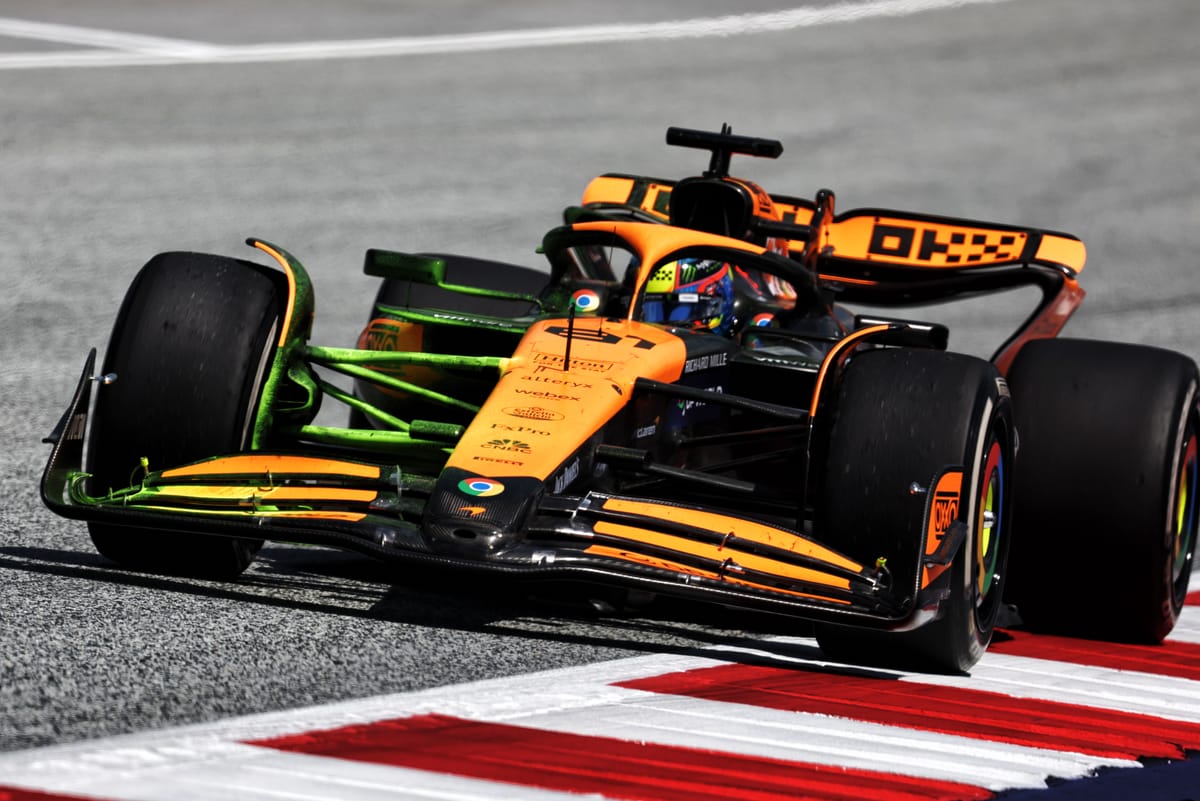
Centrally to the conversation was the dominance of the C3 and C4 slick tyres. Collectively, these two compounds logged a staggering amount of mileage: 93,493 kilometres for the C3 and 91,595 for the C4, which are categorically positioned to handle temperature variations and degradation predictably. "Their dominance explains why so many races converged on similar strategic shapes," says a senior strategist at a leading F1 team.

"Their dominance explains why so many races converged on similar strategic shapes,"
In total, a remarkable 96 percent of the tyre mileage was completed on slick compounds. The reliability provided by the C3 and C4 allowed teams to embrace a more conservative approach, preferring long opening stints and protecting track position rather than aggressively seeking overtakes. This pattern drew unique insights into strategic decisions. "This season rhetoric shifted from circuit-led strategy to calendar-led strategy," noted an analyst familiar with race strategies.
"This season rhetoric shifted from circuit-led strategy to calendar-led strategy,"

Exceptional performances from drivers further highlighted how tyre management trumped outright speed. Esteban Ocon led the charge with an impressive 303-kilometre stint on C3 tyres in Jeddah, totaling 49 laps on a single set. Following closely, he executed another significant 294-kilometre run on C4s in Baku, revealing a growing trend towards tyre conservation.
"These stints are not anomalies, they represent a shift towards managing resources rather than chasing ephemeral speed," commented Ocon during a post-race interview. Similar examples of effective tyre management appeared throughout the season, such as Pierre Gasly's 251-kilometre run on C2s in Shanghai, reinforcing this narrative.
"These stints are not anomalies, they represent a shift towards managing resources rather than chasing ephemeral speed,"
Race Results
By the Numbers
By the Numbers
By the Numbers
Yet the impact of wet weather tyres was starkly minimal, accounting for merely 4 percent of total tyre mileage for the season. The intermediates were used for 12,893 kilometres while full wet tyres only saw a meager 2,064 kilometres. These numbers represent a broader trend in modern F1, where even crucial safety tools like wet tyres are seldom employed during races. "The limited use of wet tyres exposes the ongoing tension in Formula 1," remarked a veteran race engineer.
"The limited use of wet tyres exposes the ongoing tension in Formula 1,"
Despite diverse racing conditions throughout the season, the reality is that wet tyres did not significantly contribute to race outcomes. The combination of reduced testing, limited running on genuinely wet tracks, and an overall preference for slick compounds has rendered them somewhat inactive in actual competitive racing.
Current Season
Ultimately, the insights from Pirelli’s tyre data paint a vivid picture of the evolution and increasing complexities of Formula 1 in 2025. As teams adapt to the relentless pace of the sport, strategies are bound to evolve further. The challenge remains—how can they optimize performance while managing the extremes of tyre wear within the rigors of a saturated season? With the sport's landscape continually shifting, the upcoming seasons promise to reveal even more intricate dynamics as teams seek to balance risk with strategy amidst growing demands on all fronts.