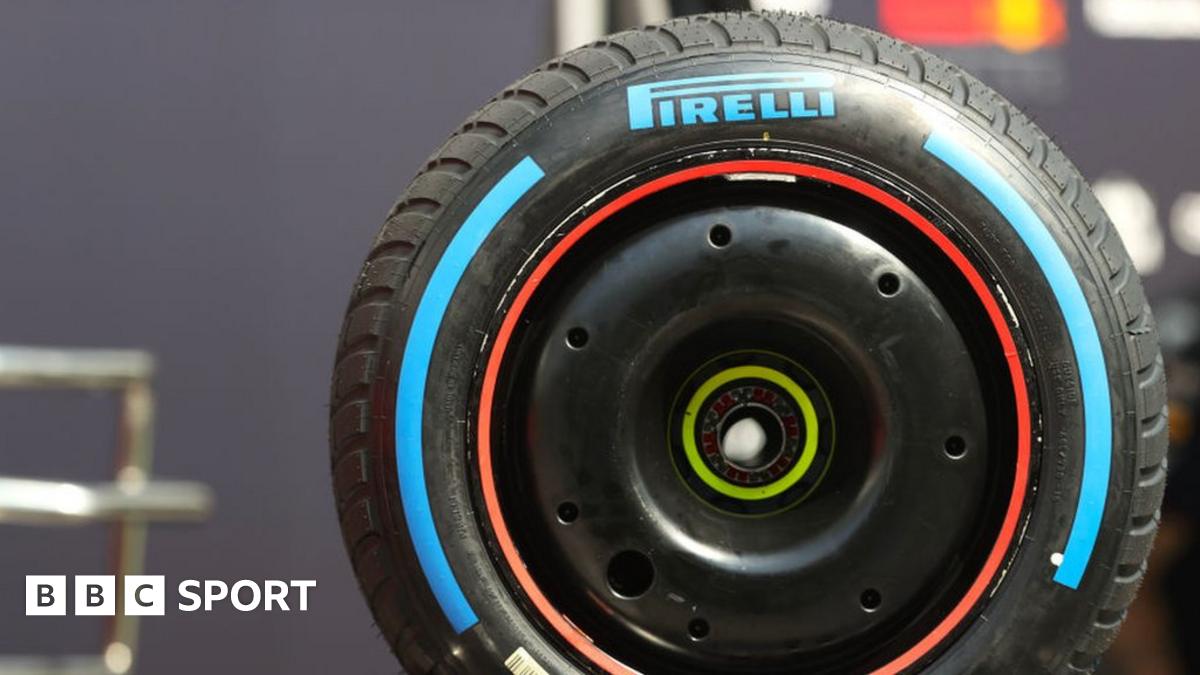
Pirelli has been awarded the next tyre contract for Formula 1, extending its role as the exclusive tyre supplier from 2025 to 2027, with an option for a further year in 2028. However, this deal is likely to be the last for the Italian company in the sport, as discussions about future suppliers are already underway.
Pirelli, which has been involved with F1 since 2011, successfully defended its position against competition from Bridgestone, a respected name that was part of F1 from 1998 until 2010. The decision was announced just days before the Qatar Grand Prix, with Pirelli and F1 representatives declining to comment on the matter.
F1 chairman Stefano Domenicali faced pressure to consider Bridgestone for the new tyre deal, especially given the company's strong reputation in motorsport. "Financially, the two offers were similar," he noted. Nevertheless, Domenicali opted to stick with Pirelli, citing the need for a reliable supplier amid the evolving landscape of F1.
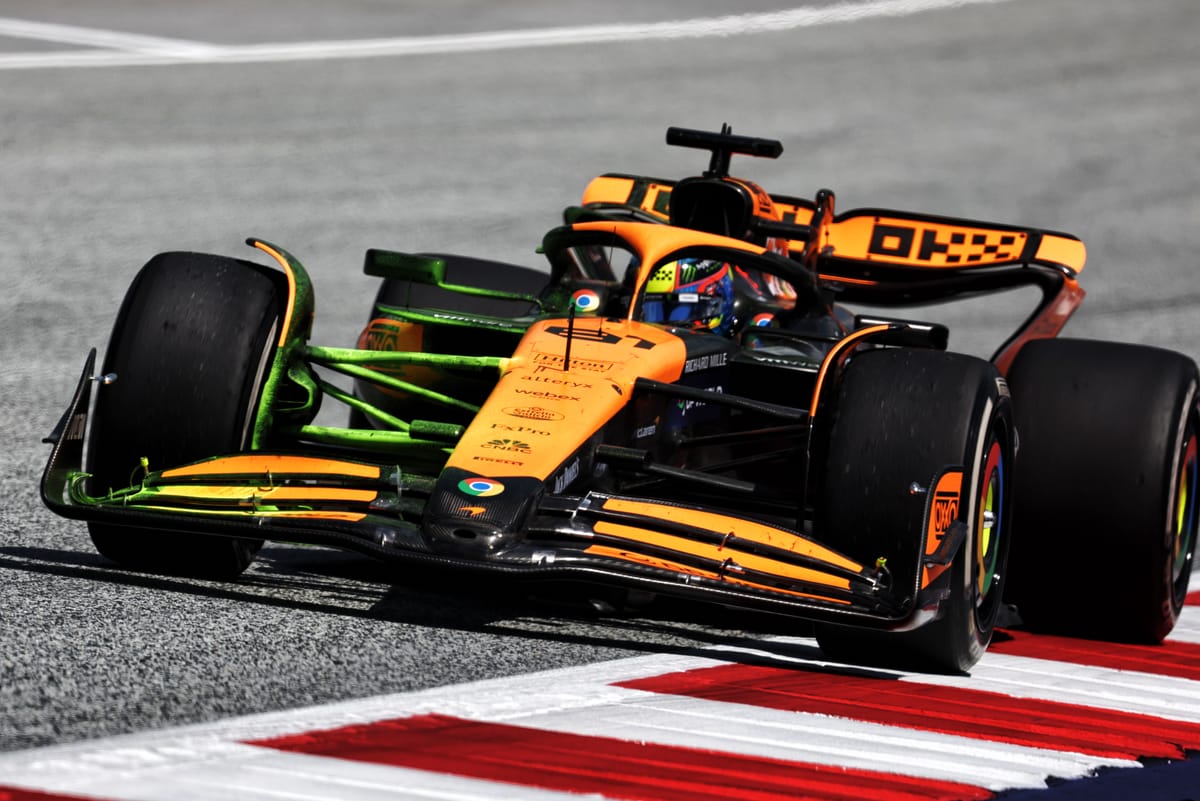
Modern F1 cars generate the highest loads in motorsport, placing unprecedented demands on tyres due to increased downforce and weight. While it was acknowledged that Bridgestone could produce suitable tyres given their experience, there were concerns about their ability to meet stringent requirements in a short timeframe. Domenicali stated, "We knew what we had with Pirelli and did not want to take a risk at this stage of the sport's development."
Current Season
Complicating matters further, the new contract will require two different tyre specifications within the first two years due to technical regulations changing for the 2026 season. This added layer of complexity led F1 to prefer the certainty Pirelli provided.

**Related:** [Revolut Secures Full UK Banking License After Years-Long Wait](/article/revolut-secures-full-uk-banking-license-after-years-long-wait-mmr7djvq)
Rumors also circulated about Bridgestone's potential hesitations regarding the deal as time progressed. Despite Pirelli indicating that it might step back from F1 post-2027, the decision to keep them on board was made. Senior sources revealed this contract is indeed expected to be the finale for Pirelli.
Domenicali has already opened discussions with Bridgestone about a possible transition in 2028, although no concrete plans have emerged yet. This unfolding situation highlights the ongoing evolution of partnerships within Formula 1's competitive fabric.
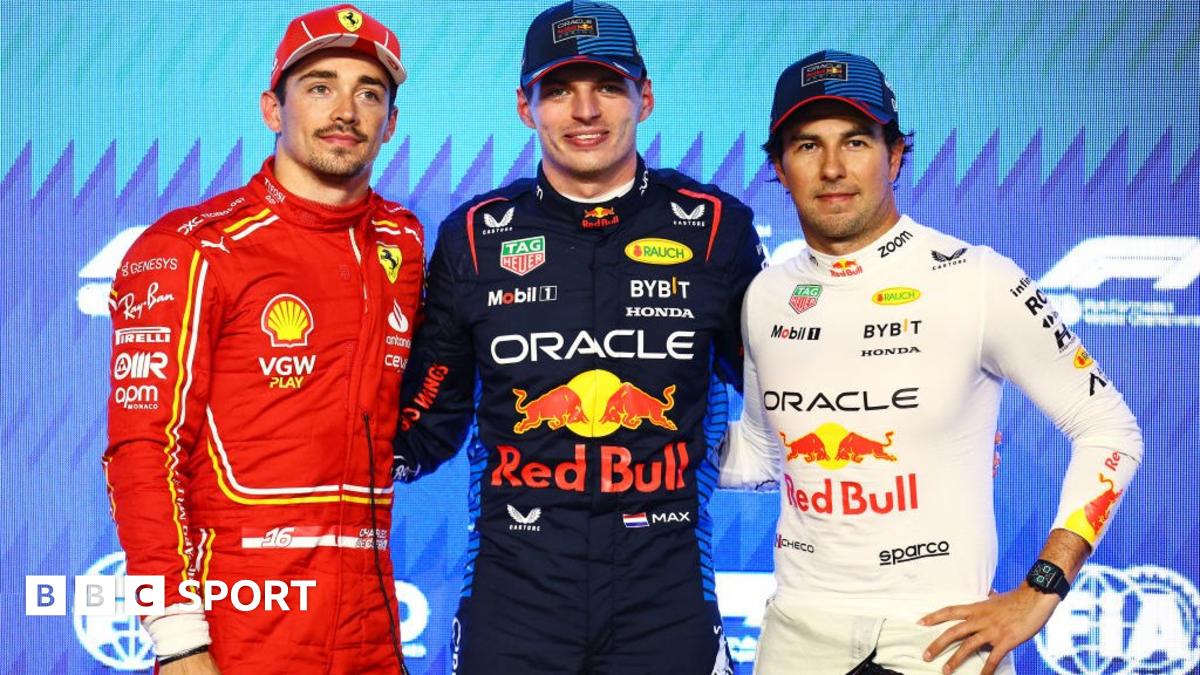

The contract award coincided with a challenging day for Pirelli, as they had to enforce restrictions on tyre usage at the Qatar Grand Prix over concerns of potential tyre failures. The incident underscores the pressures faced by tyre manufacturers in balancing performance and safety on the racetrack.
Looking Ahead
As F1 prepares for a future potentially less tied to Pirelli, the sport is at a pivotal juncture to redefine its relationships with tyre suppliers, ensuring both competitiveness and safety in the years to come.