McLaren entered 2026 with the kind of position rival teams write five-year plans to chase: a reigning world champion in Lando Norris, a long-term contract on Oscar Piastri, and back-to-back constructors momentum. Five rounds into the new regulations, the conversation inside the paddock has flipped completely. According to Grid Pulse F1 News, the question being asked privately is no longer whether McLaren can defend its title — it is which driver leaves first if the slump becomes structural.
The trigger has been the 2026 reset itself. Smaller chassis, a far more aggressive electrical deployment profile and a new aerodynamic balance have rewarded teams who build their entire car around the power unit's software ecosystem. Mercedes have. McLaren, who buy hardware from Brixworth but not the full development stack, have not.
The MCL40's straight-line behaviour has been the most public symptom. Telemetry comparisons through the opening rounds showed Mercedes deploying smoothly and aggressively out of corners while McLaren's deployment looked uneven, sometimes hesitant. Grid Pulse described it as a car that appeared "nervous under acceleration", and the result was a double DNS in China — not crashes, not strategy errors, but system failures before the lights went out. Drivers tolerate losing pace. They struggle to tolerate losing trust.
The deeper problem, according to the analysis, is one McLaren cannot solve with a Friday upgrade. Under the 2026 rules the electrical side accounts for close to half of total power output, which means software calibration matters more than ever. Mercedes' customer teams receive the hardware but not the full optimisation layers, calibration libraries or validation mileage that the works team accumulates. On long straights — exactly where points are decided in 2026 — that gap is showing up in unstable harvesting and inconsistent deployment patterns.
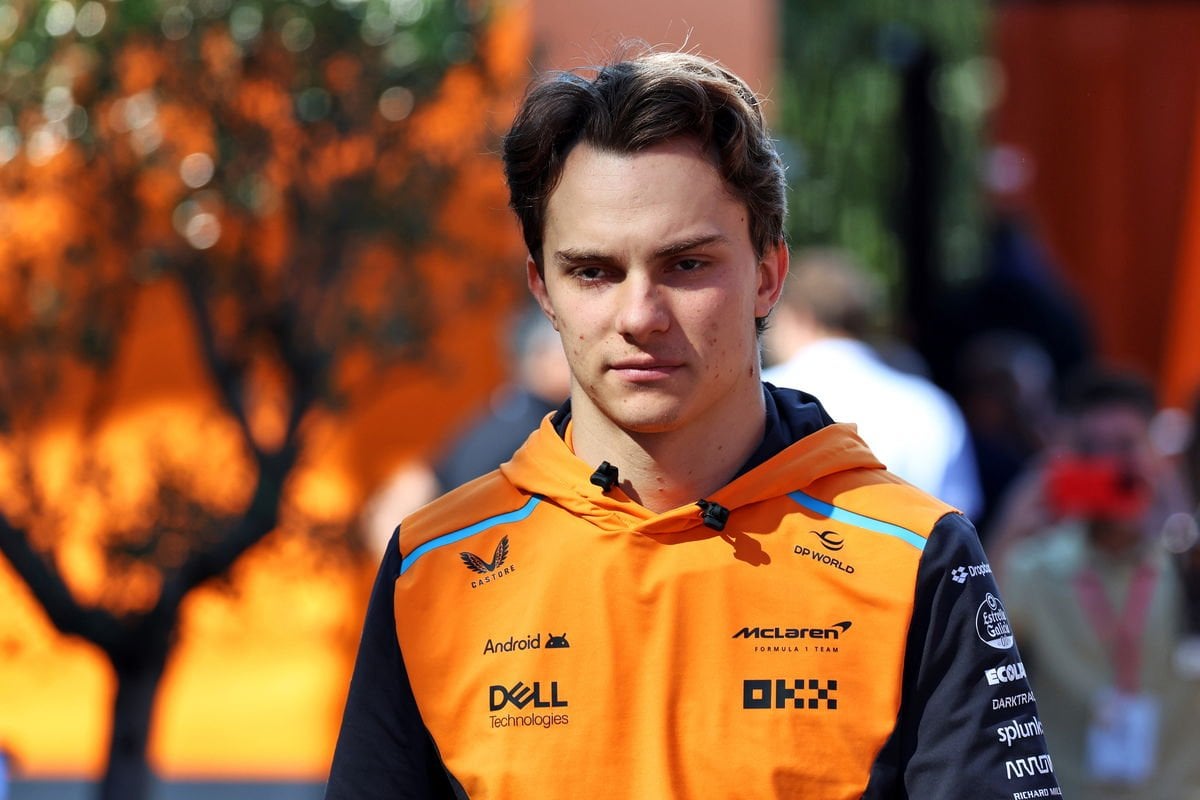
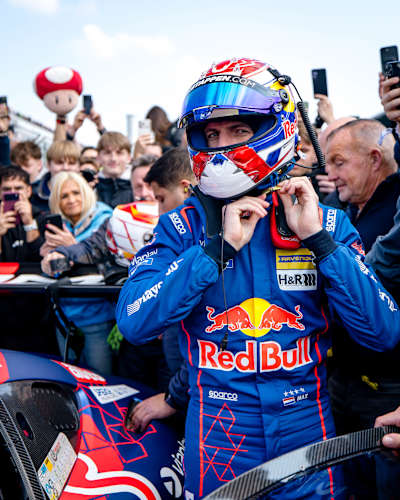
That technical context has reopened a contractual one. Piastri's much-celebrated long-term extension was publicly framed as a generational commitment, but Grid Pulse argues — and other paddock sources have echoed — that performance escape clauses were quietly written into the agreement. Mark Webber, Piastri's manager, understands better than most what waiting for a team to come back can cost a career. If McLaren cannot deliver a championship-capable car by the end of 2026, his client will have options. The team most consistently named in those scenarios is Red Bull, where Christian Horner has been a public admirer of Piastri's temperament for years.
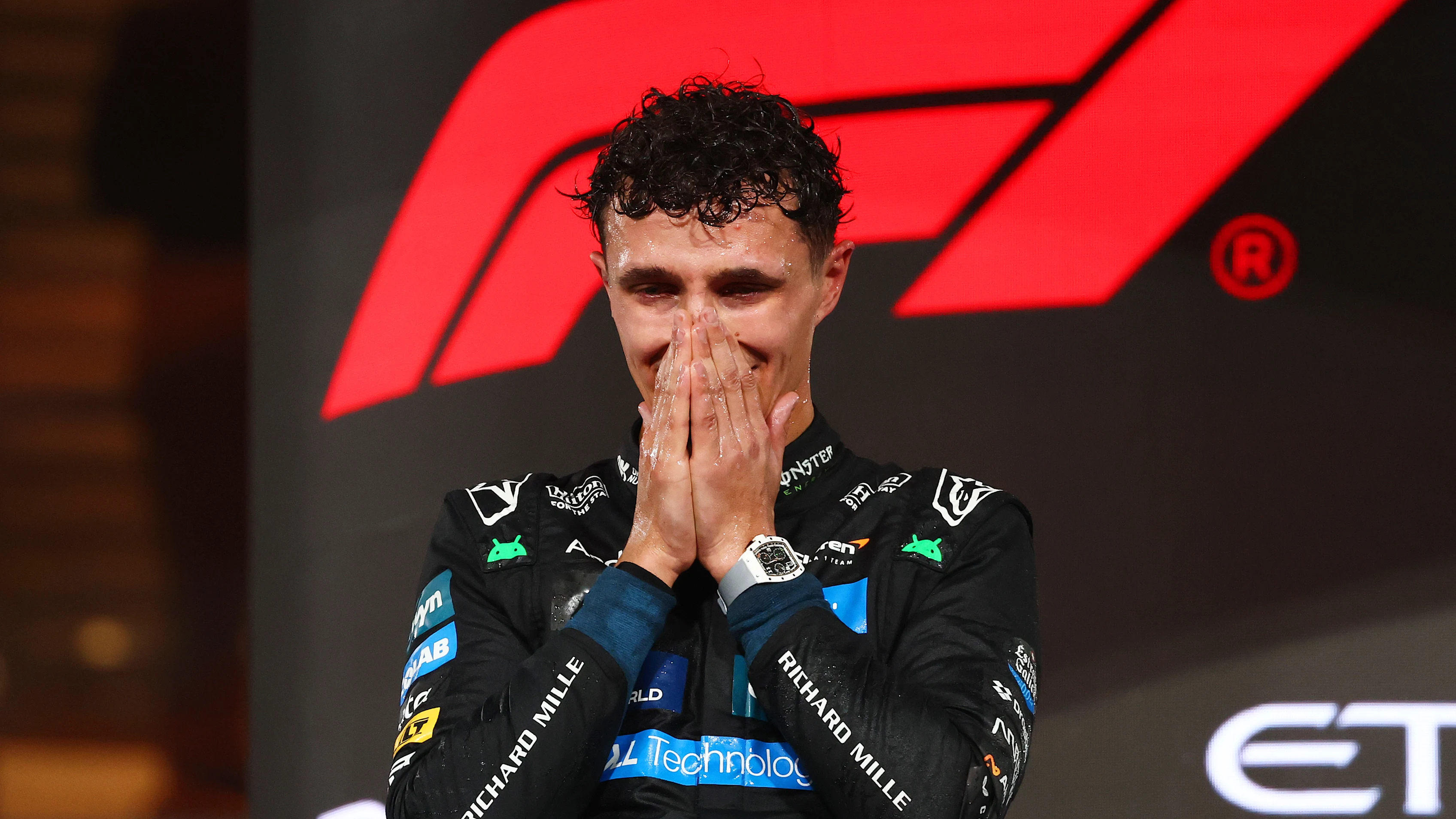
The bigger flight risk, paradoxically, may be the driver McLaren just won the title with. Norris's psychology fundamentally changed in Abu Dhabi 2025. A driver who has won a championship no longer accepts a rebuild on faith. The analysis cited Fernando Alonso, Lewis Hamilton and Sebastian Vettel as historical precedents — each of them changed teams in pursuit of competitiveness once their first title was secured. With George Russell's Mercedes future still openly debated beyond 2026, the Brackley factory seat is the one job in the paddock that could theoretically attract Norris, especially if Toto Wolff decides he wants a proven world champion to lead the new engine era.
The most uncomfortable possibility, according to the same analysis, is that McLaren's biggest threat is internal. The team built its modern identity around equality — no overt number one, no political favouritism, the so-called papaya rules. That framework holds when both cars are winning. It frays when both drivers are sharing the same reliability problems, the same compromised strategies and the same development frustrations. Senna and Prost have been invoked, and Hamilton and Rosberg, but the parallel that should worry Woking is more recent: Red Bull 2024, where two drivers under equal pressure stopped behaving like teammates in private long before it spilled into public view.
The team's leadership has so far said almost nothing publicly about any of this — Andrea Stella's only recent comment on Canada was a deliberately bland line about "four teams separated by very little lap time". That silence may be calculated calm or it may be a recognition that the real conversations are happening elsewhere. McLaren's papaya project remains the envy of the grid. It is also, for the first time since 2023, fragile.
---
*Originally published on [News Formula One](https://newsformula.one/article/mclaren-papaya-trap-norris-piastri-2026-customer-team-risk). Visit for full coverage.*