As the teams prepare for the Monaco Grand Prix, they may find clarity in analyzing historical patterns and the unpredictable nature of the circuit. Despite a rainy opening day in Monte Carlo preventing significant revelations, past race strategies are still relevant. The complexities of the street circuit demand that teams remain agile with their plans, ready to adapt as conditions change during the race.
"In Monaco, the safety car is an ever-present threat," noted a team strategist, emphasizing the unique logistical considerations at this iconic event. This suggests that clear communication and strategy flexibility will be crucial for teams as they vie for supremacy on Sunday. The physical layout of Monaco makes overtaking personal and complex, and with the potential for safety cars, managing track position becomes a primary goal.
"In Monaco, the safety car is an ever-present threat,"
Historically, it is expected that lapping of slower cars will begin around lap 15, forcing teams to carefully calibrate their pit stop timings. The ability to establish a solid gap ahead of backmarkers can significantly impact the outcome of a race. "Exiting the pits behind a slower car can derail a race within a handful of laps," explained another strategy analyst. Effective timing of stops may mean the difference between a victory and a disappointing chase.
"Exiting the pits behind a slower car can derail a race within a handful of laps,"
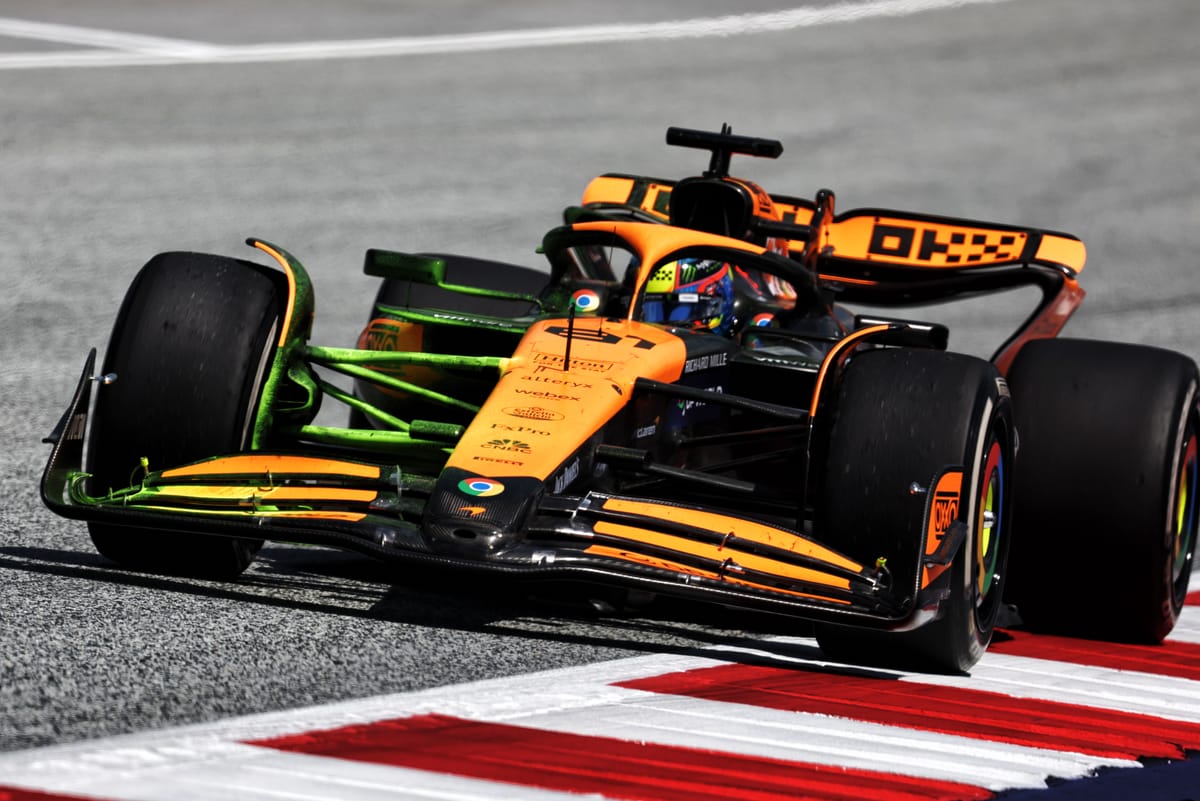
Given the tight nature of Monaco, the prevalent tactic for teams will likely be a one-stop strategy, with most opting to pit well after the race’s halfway mark. Such a plan allows for maximum track position maintenance, critical on a circuit where overtaking is notoriously challenging.

In an ideal situation with no traffic, a two-stop strategy might provide a considerable advantage, possibly yielding up to half a minute's gain. Sebastian Vettel’s experience in 2011 illustrates the importance of track position. "Towards the end of the race, the tyres I had were nowhere close to fresh, but I saw the only way to win the race was to stay out," recounted Vettel following his victory after resisting pressure from formidable drivers like Jenson Button and Fernando Alonso, despite his older tires clad.
"Towards the end of the race, the tyres I had were nowhere close to fresh, but I saw the only way to win the race was to stay out,"
**Related:** [Excitement Builds for the 2026 Monaco Grand Prix](/article/excitement-builds-for-the-2026-monaco-grand-prix)
Career Journey

The dynamics of pit stops can become a game of strategy, especially under pressure. It’s likely that most drivers will pit in a synchronized manner, minimizing the risk of losing too many positions. However, early decisions may lead to drivers finishing with older rubber, which could stymie their ability to maintain speed. As teams strategize for the Monaco circuit, they weigh the possibility of an early safety car against their game's trajectory.
Navigating the race from around lap 20 onward often changes the complexion of strategies. A safety car's appearance may trigger rapid pit stops across the board, with teams willing to gamble on late-stage interventions when there’s little to lose. Past races support this, highlighting the differing outcomes related to timing and decisions regarding stops. In 2012, for instance, Mark Webber’s one-stop strategy led to a secure win, while Nico Rosberg achieved victory in 2013 using two pit stops during safety car scenarios.
Team Dynamics
The tendency for the safety car to intervene in races underscores why flexibility in strategy is paramount. Notably, the safety car has changed the course of events in 10 of the last 15 Monaco races, significantly influencing race strategies. Teams must prepare not just for their own planned pit windows but also for the unpredictable nature of the Grand Prix.
Ultimately, the track position will remain the driving force behind any effective strategy on race day. As preparations continue in Monte Carlo, the teams will aim to harness their experience and historical data to navigate the challenges posed by the unique street circuit.