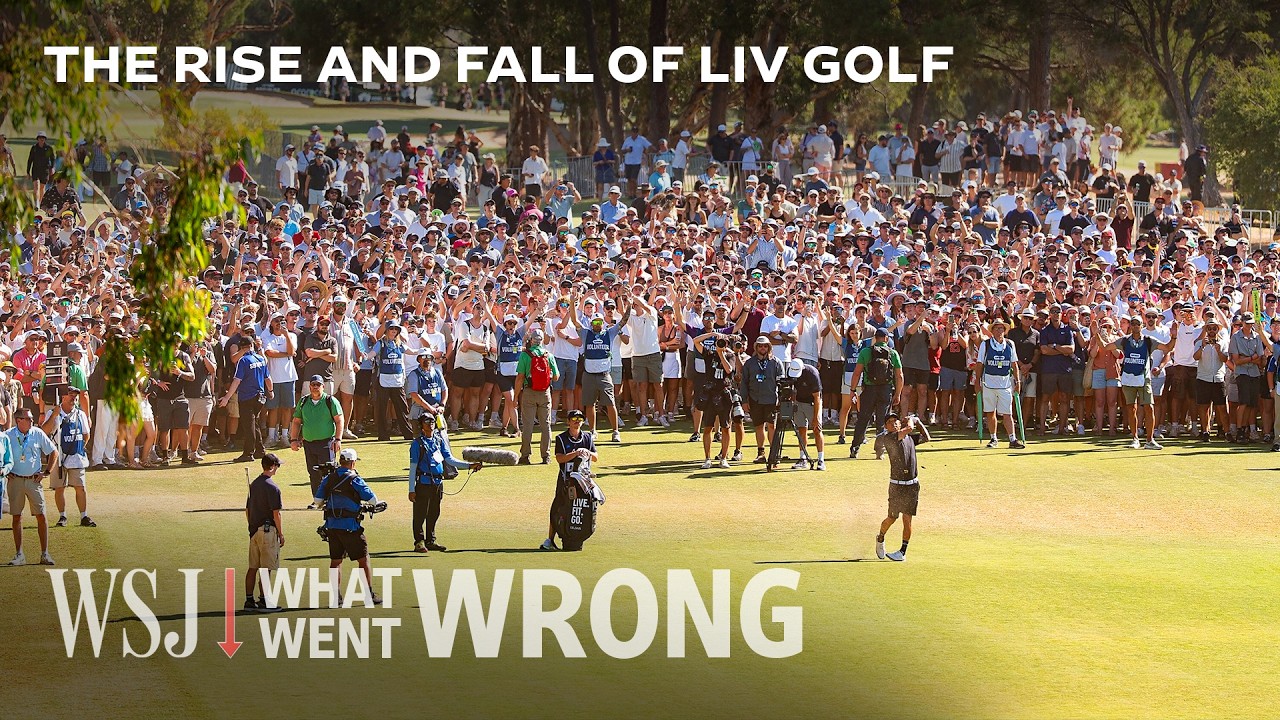
Less than three weeks after the Public Investment Fund confirmed it would withdraw its backing of LIV Golf at the end of the 2026 season, the breakaway league has set itself a deadline to find new owners. According to a report by Axios this week, LIV is seeking up to $250 million in fresh capital, has hired the boutique advisory firm Ducera Partners to manage the process and has set an early-October timetable for the raise to close.
The stakes are immediate. The Saudi PIF, which spent an estimated $5 billion on the league since its 2022 launch, currently holds roughly 75 percent of each of the 13 LIV teams. A full $250 million round, according to the Axios report, could push the operation to profitability inside roughly 20 months. A smaller round, perhaps as low as $150 million, would buy the league enough runway to continue trading but not enough to grow.
The core asset on offer to new investors is the team equity itself. LIV's franchise structure, designed to mimic Formula One and the NFL's Premier League ambitions, was always its longest-term bet. Strip out the headline player contracts and the league's claim to value rests on whether teams like Crushers GC, Stinger GC and Cleeks GC can be sold as media properties with global followings. The PIF has been the patient capital underwriting that thesis for four seasons. New investors will not be patient on the same scale.
The operational picture has already shifted. LIV's Korea Open this autumn will not carry the supplementary prize-fund top-up the league has previously paid to lift Asian Tour-sanctioned events to its own purse level, a cost-cutting move first reported earlier this week. Bubba Watson's struggles to retain his place at the team-captain level have been openly discussed at recent events. The 2027 schedule is, by all accounts, contingent on the outcome of this raise.
The most consequential decisions in front of LIV are not on the course. The first is whether the league continues as a closed franchise model or whether it becomes a circuit that more closely resembles a tour, with smaller fields, smaller payrolls and a renewed emphasis on a shorter, made-for-television season. The second is whether any of the marquee names whose contracts are nominally guaranteed by the PIF can be persuaded, or compelled, to renegotiate. Jon Rahm conceded at the PGA Championship last week that there is, in his words, no way out of his current LIV contract even as he questioned whether the league's economic model still made sense.
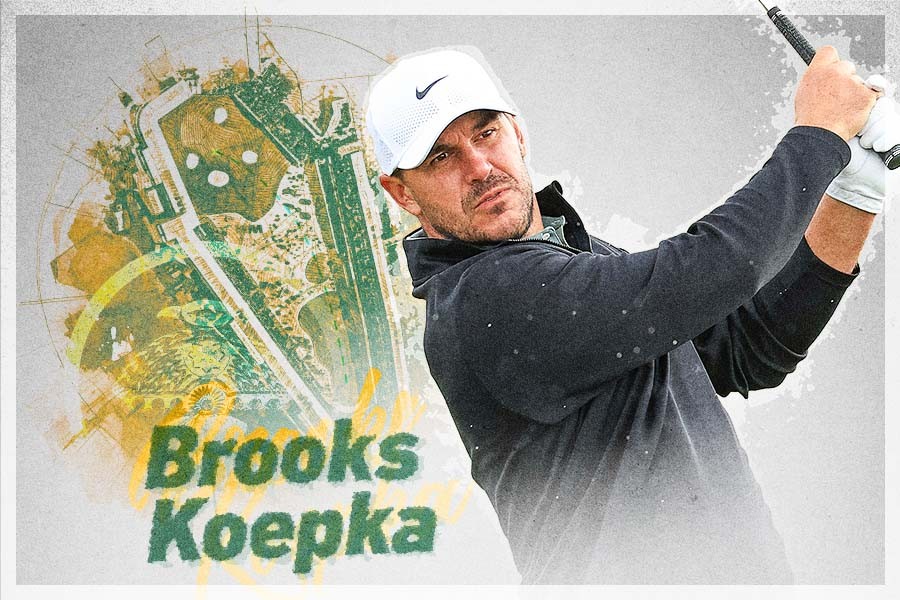
The PGA Tour, by contrast, has done its part of the work in public. Its 2026 returning-member program, which formally opened the door for LIV players who could meet its conditions, attracted only Brooks Koepka. Rahm, Bryson DeChambeau and Cameron Smith declined the terms on offer. The structure of that program, with its $5 million charitable contribution, five-year exclusion from the player-equity program and the loss of signature-event eligibility, was designed in the assumption that a number of LIV's biggest names would eventually return. The Saudi withdrawal has changed the timeline rather than the destination.
What the next ten weeks will reveal is whether anybody outside of the Gulf is prepared to invest at the scale required to keep the league's current shape. Ducera Partners, a New York advisory boutique known for restructuring and shareholder advisory work, will be running an investor process that requires institutional capital comfortable with the public scrutiny that has attached to LIV from the start. That is not an easy room to fill.
The alternative scenarios sit in plain view. A reduced raise of $150 million may keep the lights on but force a smaller schedule, smaller fields and a step back from the LIV Plus streaming model and the Fox broadcast partnership that has been a structural cost since launch. A failed raise would force the league into the kind of orderly wind-down the PGA Tour's negotiating posture has effectively been planning for since the framework agreement of June 2023.
None of those outcomes will be decided by the players. None of the players in the LIV locker room contracted for the equity-driven team model that now needs to find new shareholders to survive. They contracted for the cheques that the PIF wrote and now will not. The October deadline is, in that sense, less about the future of golf than about whether the most expensive experiment in the sport's modern history ends in a sale, a settlement or a quiet collapse.
---
*Originally published on [Golf News Global](https://golfnews.global/article/liv-golf-250-million-investor-raise-october-deadline-saudi-pif-withdrawal-ducera-2026). Visit for full coverage.*