The history of Formula E is filled with significant milestones that have defined the sport since its inception. These moments not only showcase the evolution of electric racing but also highlight the passion and innovation behind this series. As we look back, it's clear that these key events have collectively played a crucial role in establishing Formula E as a mainstay in motorsport.
The series began its journey in 2014, marking the beginning of a new era in racing. "Formula E represents a change in the sport; it's electric, clean, and geared towards a sustainable future," said Alejandro Agag, the founder of Formula E. This commitment to sustainability has resonated with fans, athletes, and manufacturers alike, setting the stage for its rapid growth.
"Formula E represents a change in the sport; it's electric, clean, and geared towards a sustainable future,"
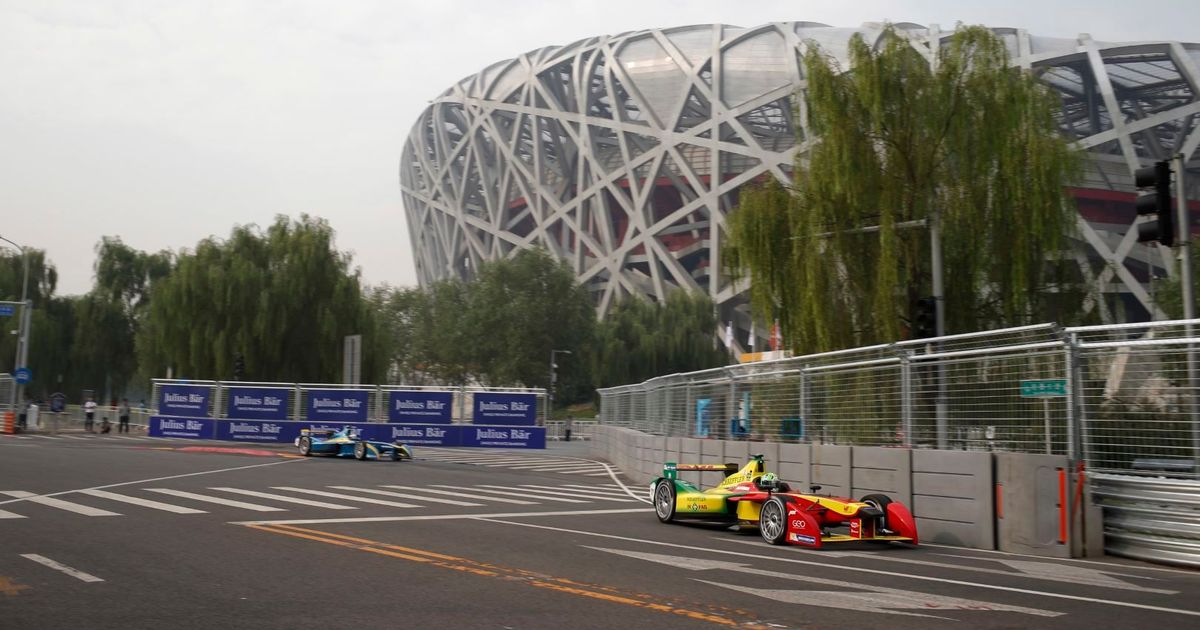
One of the defining moments came during the inaugural race in Beijing. The 2014 ePrix not only served as the starting line for the series but also provided a glimpse of the thrill electric racing could offer. "The atmosphere was electric—pun intended—and we knew we were part of something special," recalled driver Daniel Abt, a participant in that historic race.
"The atmosphere was electric—pun intended—and we knew we were part of something special,"
Championship Implications
Over the years, various technological advancements have further shaped the landscape of the championship. The introduction of the GEN2 car in 2018 was a significant leap forward. “The GEN2 car has more power, longer range, and looks stunning on the track,” said Lucas di Grassi, a veteran driver. This upgrade not only enhanced the competitive dynamics but also showcased the potential of electric vehicle technology.
Impact and Legacy
Additionally, the fan engagement aspect of Formula E has been unprecedented. The introduction of Fanboost, allowing fans to vote for their favorite drivers to receive a power boost, has redefined the spectator experience. "It's a groundbreaking way to connect with fans; their support can directly influence the race outcome," noted Jean-Éric Vergne, the series’ first double champion.
"It's a groundbreaking way to connect with fans; their support can directly influence the race outcome,"

**Related:** [Jayden Schaper Clinches Back-to-Back Titles with Playoff Triumph](/article/jayden-schaper-clinches-back-to-back-titles-with-playoff-triumph)
As the sport has matured, so too has its global footprint. Formula E has raced in iconic cities around the world, including Paris, New York, and Hong Kong. "Each race in each city brings its own challenges and excitement; it’s like a festival of motorsport worldwide," explained Mitch Evans, a prominent driver who has competed in these international venues.
"Each race in each city brings its own challenges and excitement; it’s like a festival of motorsport worldwide,"
The 2020 season was particularly remarkable, as it saw the series pivot to virtual racing amidst the global pandemic. Events were held in a digital format, keeping fans engaged and entertained during challenging times. “Adapting to a virtual format showcased how versatile our sport is, and how we can connect with fans even when traditional racing isn't possible,” stated James Barkley, managing director of Panasonic Jaguar Racing.
In recent years, partnerships with major automotive manufacturers such as BMW, Porsche, and Nissan have further strengthened the sport’s credibility. These collaborations emphasize the commitment of the automotive industry to sustainable technology and racing. “Being part of Formula E is about pushing the boundaries of innovation; it's a win-win for us and the world,” said Pascal Wehrlein, representing the Porsche Formula E Team.
Looking Ahead
Looking ahead, the future of Formula E appears bright. The upcoming GEN3 cars promise even more exciting racing with improved performance and sustainability. "We're on the verge of another revolution in the championship,” said Ali Russell, director of media and business at Formula E. “The best is yet to come; we are committed to showcasing how thrilling electric racing can be.”
As Formula E continues to make strides in the world of motorsport, its legacy is being written by the moments that define it. Each race is not just competition; it's a statement about innovation, sustainability, and the future of racing. The series remains an essential platform for promoting electric vehicle technology and engaging new generations of motorsport enthusiasts.