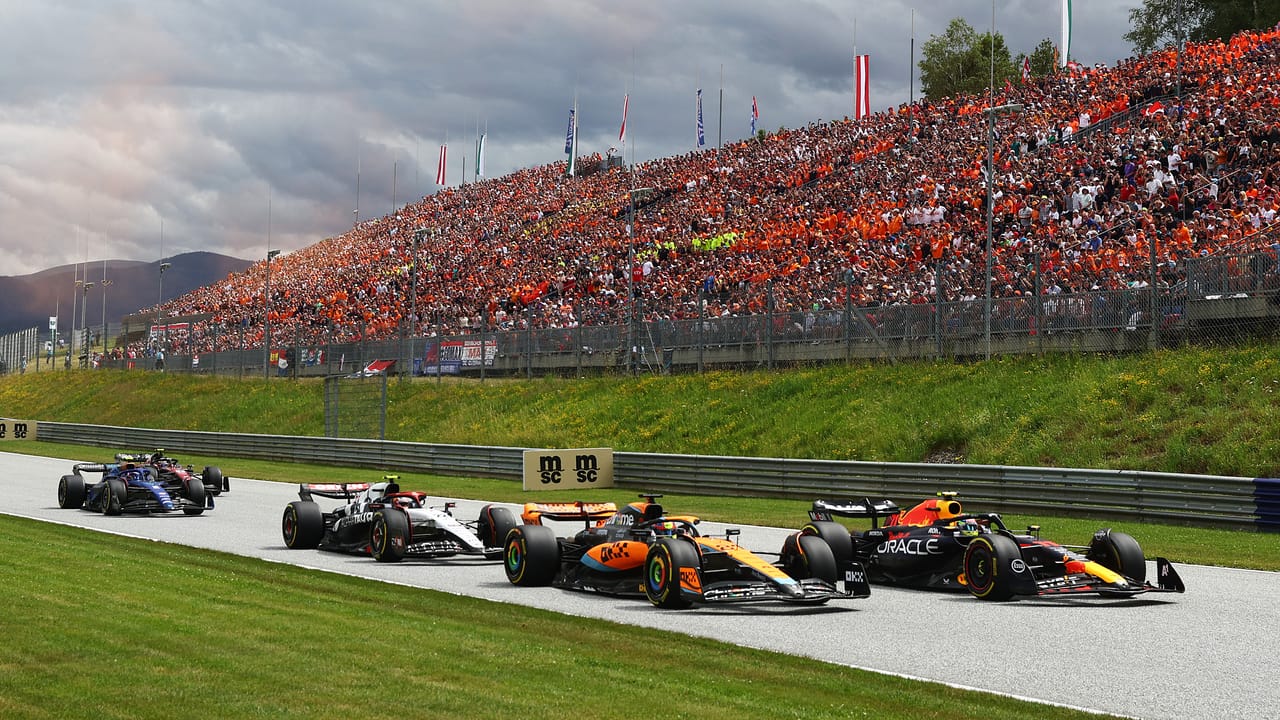
With the 2025 Formula 1 season approaching, teams and fans alike are bracing for a series of important regulatory changes. While a major shift in regulations is expected for 2026, several intriguing updates will shape the upcoming season.
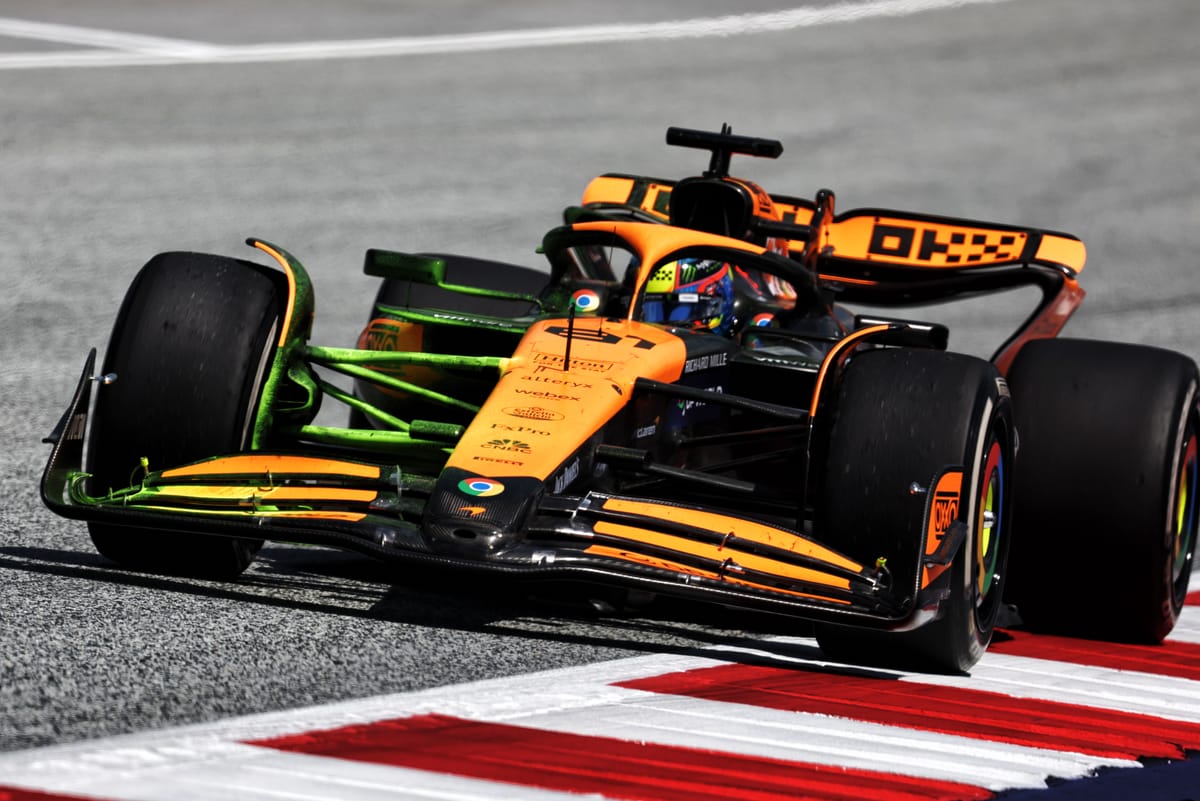
One of the most discussed alterations involves the rear wing design. Discussions around flexi-wings and mini-DRS concepts have dominated the pre-season narrative. The FIA has responded by implementing stricter technical regulations that limit rear wing flex under high speeds. "The fuss surrounding mini-DRS concepts and flexi-wings is still rumbling on," noted an insider, emphasizing that the FIA has put these new regulations in place to enhance fairness in aerodynamics.
"The fuss surrounding mini-DRS concepts and flexi-wings is still rumbling on,"
Beginning with the first race, teams will face stricter testing for rear wings to ensure compliance, while front wing tests will be established from the ninth round onward, coinciding with the Spanish Grand Prix. Expect to see several developments leading up to that race weekend.
By the Numbers
Another significant change is the decision to eliminate the fastest lap bonus point. Introduced in 2019, this rule awarded an extra point to drivers finishing in the top ten who recorded the fastest lap. However, the practice has been terminated this season. "We haven’t really been given a proper explanation," pointed out a team strategist, shaking their head over the controversy surrounding its removal, particularly recalling recent events involving Daniel Ricciardo.

"We haven’t really been given a proper explanation,"
Championship Implications
Ricciardo's controversial tactics at the Singapore GP, where he pitted for fresh tires to secure the fastest lap without scoring points in the race, soured opinions about the rule. Many viewed it as a gimmick, detracting from the sport's competitive integrity, while others appreciated the added excitement it brought during lackluster races.
**Related:** [FIA Formula 1 World Championship Standings for 2025](/article/fia-formula-1-world-championship-standings-for-2025)

Current Season
In terms of car specifications, the minimum weight of F1 cars is set to increase by two kilograms to 800kg for the 2025 season, allowing for a new minimum driver weight of 82kg, inclusive of equipment. "Good news for the six-footers on the grid," remarked an industry analyst, hinting at the potential physical advantages for taller drivers with this adjustment.
"Good news for the six-footers on the grid,"
To further address driver comfort, optional wearable cooling systems will be introduced, designed for use in hot conditions above 31°C. Following the sweltering 2023 Qatar Grand Prix, the FIA has deemed it essential to promote driver welfare, declaring that under heat hazard conditions, the minimum weight of cars will increase by five kilograms to accommodate these cooling garments. "In 2026, it’ll likely become mandatory, but they’ll probably do it in 2025 anyway," projected a team engineer, indicating the seriousness with which teams might approach driver health.
"In 2026, it’ll likely become mandatory, but they’ll probably do it in 2025 anyway,"
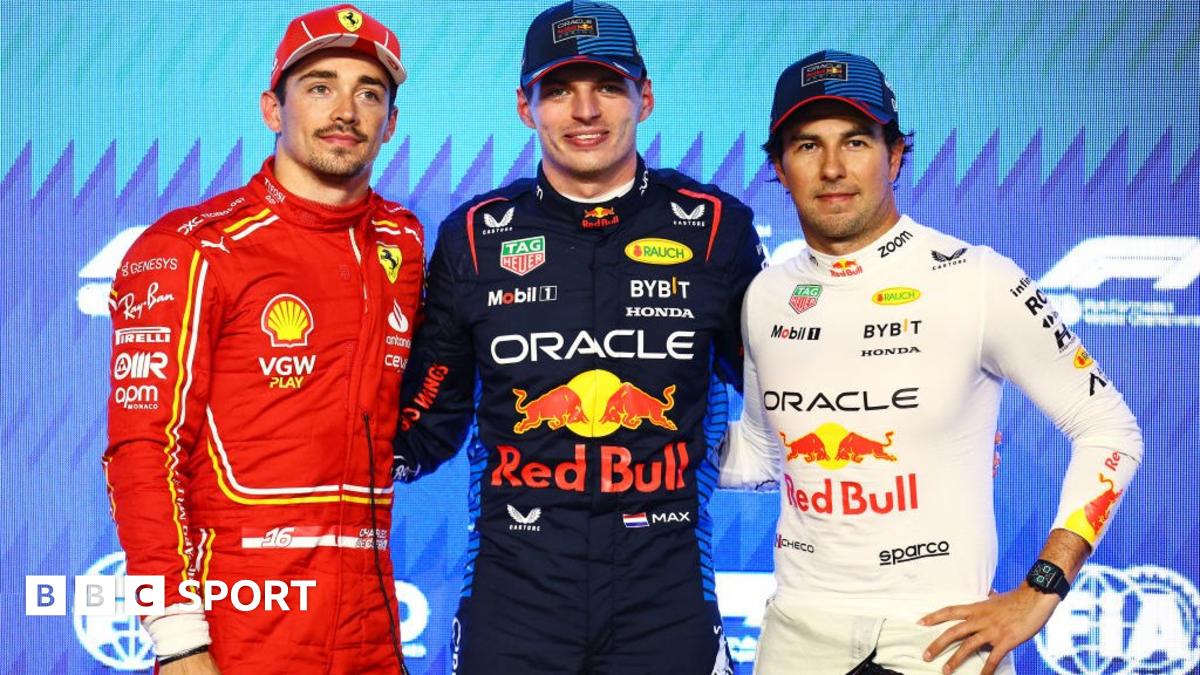
Additionally, the traditional restriction on the number of gearbox parts permitted for a driver in a season has been lifted. This new rule means drivers will no longer receive grid penalties for exceeding five gearboxes in a season. A racing team manager claimed, "Good news for those who enjoy a visit into the barriers," reflecting the newfound flexibility teams will enjoy in vehicle maintenance.
"Good news for those who enjoy a visit into the barriers,"
In an effort to revitalize the Monaco Grand Prix, drivers will now be mandated to make at least two pit stops during dry races. This enhanced rule aims to inject some excitement into the event, which has drawn criticism for lacking action in recent years. "Could make for some interesting strategies," a race strategist noted, hoping for an exciting spectacle during the iconic race.
"Could make for some interesting strategies,"
Lastly, regarding weather-related disruptions, new protocols will govern the situation if qualifying rounds are washed out. The FIA's revised guidelines aim to provide clarity and maintain fair play amidst unpredictable weather conditions.
As the 2025 Formula 1 season looms, these changes could dramatically impact team strategies and race dynamics. With heightened scrutiny on fairness and driver health, fans can expect an exciting year ahead in motorsport.