As the start of the 2025 Formula 1 season approaches, anticipation is building with the announcement of several significant rule changes from the FIA. With race activities commencing in less than a week, teams and fans alike are bracing for how these new regulations will shape the competition.
Among the most talked-about modifications is the introduction of an additional mandatory pit stop during the Monaco Grand Prix, along with the elimination of the bonus point for the fastest lap. These adjustments have sparked discussions about the evolving nature of the sport.
"This is just one of many changes that continue to complicate F1’s already intricate rules," said an FIA spokesperson. The Sporting Regulations, for instance, have expanded from 107 pages last year to 120 this season. Beyond the Sporting Regulations, the framework governing F1 includes Technical Regulations, Financial Regulations, and the overarching International Sporting Code, all contributing to a highly detailed regulatory environment.
"This is just one of many changes that continue to complicate F1’s already intricate rules,"
The following 16 rule changes highlight key adjustments for the upcoming season:
Qualifying

1. **New Practice Opportunities for Rookies**: 2025 will see doubled practice sessions allocated to inexperienced drivers, those who have participated in no more than two championship races. This is expected to allow more rookies, like Andrea Kimi Antonelli and Isack Hadjar, a chance to make their mark on the track. "We are excited to see fresh faces on the grid and believe their presence will add to the competition," said an F1 team principal.
"We are excited to see fresh faces on the grid and believe their presence will add to the competition,"
**Related:** [Russell Wins Thrilling Chinese GP Sprint After Six Lead Changes](/article/russell-wins-thrilling-chinese-gp-sprint-after-six-lead-changes)
Qualifying

2. **New Grid Procedure for Disrupted Weekends**: A new rule outlines what occurs if qualifying cannot be completed due to adverse conditions. If qualifying is cancelled, the grid will be determined based on championship standings. This change follows the dramatic rain-affected Brazilian Grand Prix last year.
Impact and Legacy
3. **The End of the Fastest Lap Bonus Point**: The controversial fastest lap bonus that returned in 2018 will no longer be part of the scoring system starting this year. F1 Management’s decision to scrap this point was influenced by events at the Singapore Grand Prix, which raised questions about the integrity of the competition. "It was a difficult decision, but we believe it’s for the betterment of the sport," stated a senior F1 executive.
"It was a difficult decision, but we believe it’s for the betterment of the sport,"
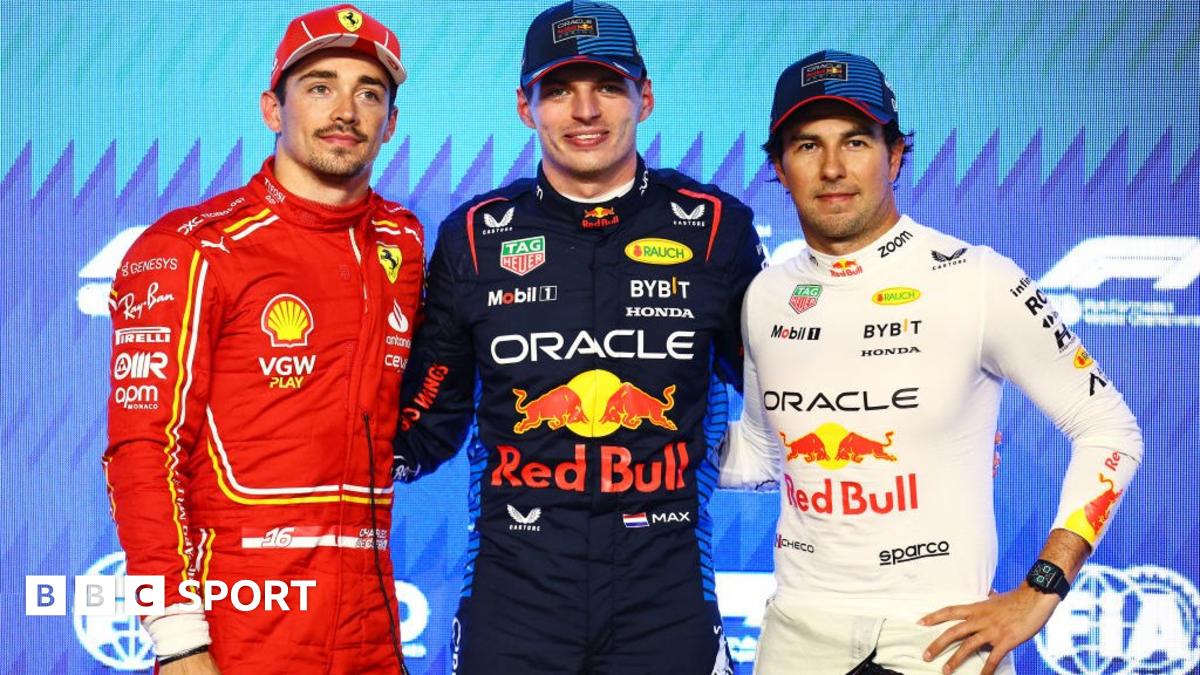
4. **Mandatory Pit Stops in Monaco**: In an effort to enhance the excitement of the Monaco race, drivers are now mandated to make two pit stops. This significant decision comes after last year’s monotonous race where teams exploited a red flag situation to avoid pitting altogether. "Monaco deserves more action, and this rule will ensure that drivers engage more actively with their strategies," claimed a member of the regulatory committee.
"Monaco deserves more action, and this rule will ensure that drivers engage more actively with their strategies,"
5. **Communication About Tyre Requirements**: Teams will face updated protocols on communication regarding the necessity for ‘full wet’ tyres, enhancing safety during rainy conditions. 6. **Immediate Parking of Damaged Cars**: Teams must promptly remove any car that sustains damage, where previously some cars lingered on the track longer than necessary.
7. **Revised Unsafe Release Rules**: Stricter rules will be enforced to ensure that cars are not released unsafely from the pits, an issue that has been a concern in the past.
8. **Optional Driver Cooling Aids**: In response to increasing temperatures during races, drivers will now have the option to utilize cooling aids to enhance comfort and performance.
9. **New Limits on Older Car Usage**: Restrictions have been placed on the running of older cars to ensure competitiveness and performance parity across the grid.
10. **Post-Season Mule Car Tyre Test**: This newly established testing regulation permits teams to conduct trials on mule cars post-season, which assists in evaluating tyre effectiveness without impacting competitive integrity.
11. **Gearbox Restrictions Lifted**: It’s been noted that teams can now utilize an older gearbox design, offering more flexibility in strategic choices during the season.
12. **Improved Wing Stiffness Checks**: New checks to enforce wing stiffness standards promise more reliable aerodynamic performance across different teams.
13. **Increased Race Stewards**: Some races will benefit from more stewards during events to ensure regulations are upheld more effectively.
14. **Guidelines for Misconduct Penalties**: New penalties have been outlined for driver misconduct, aimed at promoting fair play and sportsmanship during races.
As the 2025 Formula 1 season unfolds, these rule changes are set to redefine racing strategies and dynamics, reinforcing the FIA’s commitment to enhancing both safety and competitiveness in the sport. Fans can look forward to a unique season ahead, marked by fresh challenges for teams and drivers alike.