For Italy, the 2025/26 World Cup ski season was supposed to be backdrop. The Milan Cortina Olympics carried the headlines and the storylines, the federation's training infrastructure had already been re-built around home snow, and most of the country's medal expectations were collected in the Olympic two-week window. By the time the season's actual finishes were tallied at the Lillehammer World Cup Finals in March, however, Italian skiing had quietly delivered one of its strongest top-to-bottom campaigns in a decade.
The headline name remains Sofia Goggia. The Bergamo speed specialist returned to her best form in Super-G and was described by FIS broadcasters during a spring stop as reigning over the discipline. Goggia entered her second Olympics fit and ranked, and her World Cup season carried that consistency through to the season-ending events.
Federica Brignone played the role of overall contender and grand-event finisher. The 35-year-old has slipped from the 2023/24 overall title-winning peak, but remains a fixture in giant slalom standings, on podiums in the speed events when she elects to race them, and in the conversation any week she drops into a start gate.
The break-through came from Laura Pirovano. The 27-year-old from Trento turned three early-season top-10 downhill finishes into a Salzburg-region podium at Altenmarkt-Zauchensee in January, then finally ticked the maiden win column on April 30. By that point she had become the steadiest Italian woman on the speed circuit and a clear top-five start every weekend.
Marta Bassino added technical depth. The giant slalom regular finished inside the top 10 reliably enough to keep Italy on the women's tour leaderboard.
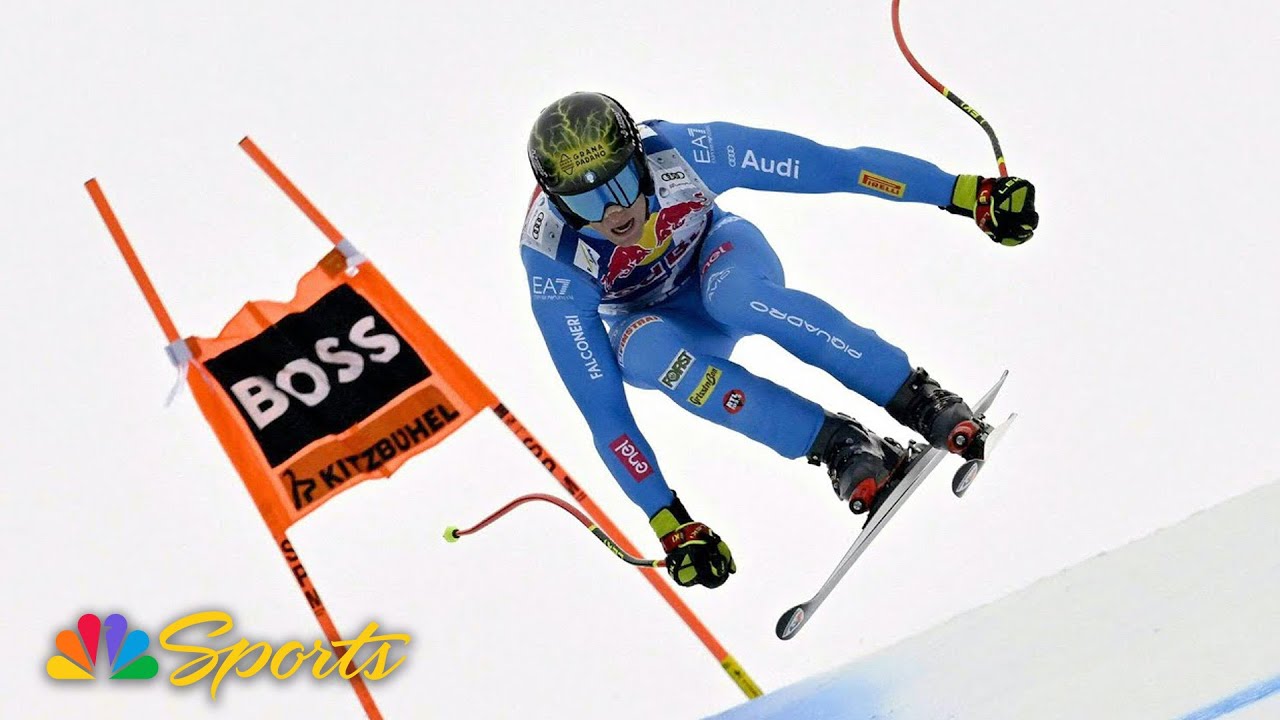
The men's side delivered the season's most emotional Italian victory. Giovanni Franzoni conquered the Hahnenkamm downhill at Kitzbühel in January, a result Italian skiing had been chasing for decades. The aggressive line through the Mausefalle paid off; Franzoni's name moved into the frame alongside Switzerland's Marco Odermatt and Loic Meillard at the front of the men's standings for the next phase of the season.
Beyond the names, the structural story is what matters. Italian World Cup rosters were deeper than they had been in years, women's speed depth in particular gave the federation options ahead of the Olympic downhill — where Vonn's crash overshadowed but did not erase Italy's home performances — and the youth pipeline behind Bassino and Pirovano in the technical events looked healthier than at any point since the early 2010s.
There was no overall Crystal Globe coming back to Italy this season — Mikaela Shiffrin saw to that — and Goggia did not collect her own discipline title. But the 2025/26 campaign showed Italian skiing functioning at every layer: marquee Olympics performances, World Cup wins across genders, a maiden winner emerging late, and a junior pipeline that should hold the federation in shape through the 2026/27 reset.
For a federation that took its biggest sporting weekends on home snow this winter, the quieter season-long results were the bigger long-term win.