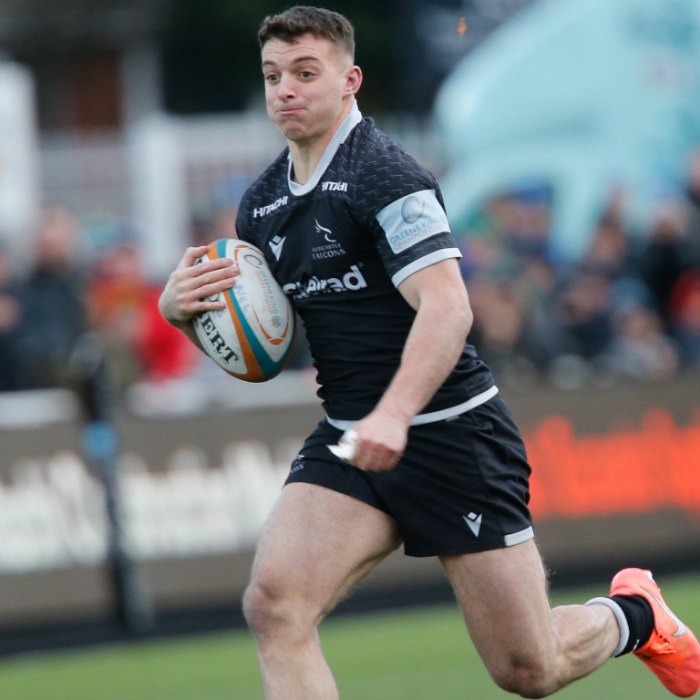
Ireland have captured the 2023 Six Nations Championship in magnificent fashion, completing a perfect Grand Slam campaign with five victories from five matches to finish on 27 points and cement their status as European rugby's dominant force.
Andy Farrell's side delivered a masterclass performance throughout the tournament, combining clinical finishing with rock-solid defense to sweep aside all challengers. The Irish juggernaut proved unstoppable, collecting maximum points from each fixture while demonstrating the tactical sophistication and mental fortitude that has elevated them to the summit of world rugby.
France, last year's Grand Slam champions, put up a valiant defense of their title but ultimately fell seven points short on 20 points with four wins from five matches. Fabien Galthié's Les Bleus showed flashes of the brilliance that carried them to championship glory in 2022, but inconsistency at crucial moments cost them dearly in their quest for back-to-back titles. Their lone defeat likely came at the hands of the rampant Irish, highlighting the gulf in class between the tournament's top two sides.

Championship Implications
Scotland secured third place with a respectable 15-point haul from three victories, continuing their upward trajectory under Gregor Townsend's guidance. The Scots have established themselves as genuine contenders in the championship, capable of troubling any opponent on their day. Their campaign will be remembered for moments of attacking brilliance mixed with defensive lapses that prevented them from challenging the top two more seriously.
Race Results
England's fifth-place finish represents a disappointing campaign for Steve Borthwick's rebuilding project. With just two wins yielding 10 points, the Red Rose struggled to find consistency after the upheaval of Eddie Jones's departure late last year. The new head coach faces significant challenges in restoring England to their former glory, with this tournament exposing weaknesses in both personnel and tactical approach that will require careful attention ahead of the Rugby World Cup.
**Related:** [RS1 Clinches WeatherTech Raceway Laguna Seca GS Win in 2025](/article/rs1-clinches-weathertech-raceway-laguna-seca-gs-win-in-2025)
Championship Implications
Wales endured a torrid championship, managing just one victory for six points in what proved to be one of their most challenging Six Nations campaigns in recent memory. Warren Gatland's return to the helm was supposed to spark a revival, but the veteran coach inherited a squad low on confidence and struggling with the transition between generations. The Dragons' attacking impotence and defensive frailties were ruthlessly exposed by stronger opponents throughout the tournament.
Italy's single point tells the familiar story of a side still searching for their breakthrough moment in the championship. The Azzurri continue to improve incrementally under Kieran Crowley's stewardship, but remain some distance from achieving their first championship victory. However, their spirited performances against higher-ranked opposition suggest progress is being made, even if the results don't reflect their efforts.
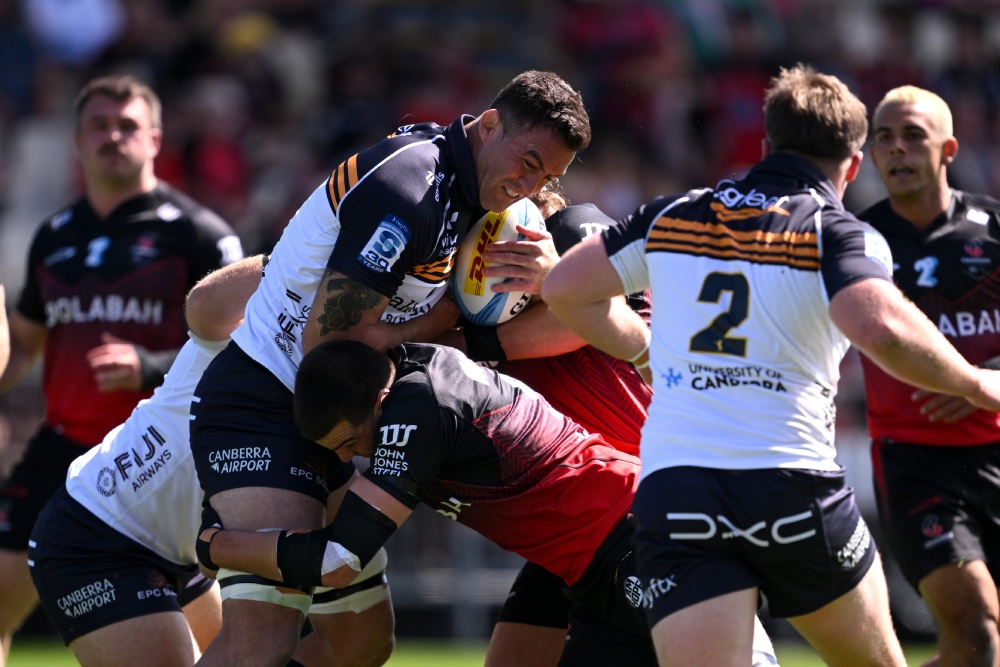
Ireland's triumph represents the culmination of years of careful planning and development under Farrell's leadership. The team's depth of talent across all positions has allowed them to maintain performance levels even when key players faced injury or suspension concerns. Their ability to adapt their game plan to different opponents while maintaining their core identity of aggressive defense and clinical attack has been the hallmark of their success.
The championship showcased the growing competitiveness of European rugby, with Scotland's rise and France's continued excellence ensuring Ireland faced stern tests throughout their campaign. The gap between the top three nations and the bottom three appears to be widening, however, raising questions about the long-term competitive balance of the tournament.
From a tactical perspective, the championship highlighted the importance of set-piece dominance and territorial control. Ireland's superiority in the lineout and scrum provided the platform for their attacking threats to flourish, while their kicking game consistently put opponents under pressure in their own territory. France showed similar strengths but lacked the consistency to match Ireland's relentless standards.
Looking ahead to the Rugby World Cup later this year, Ireland's Grand Slam triumph establishes them as genuine contenders for global glory. Their combination of forward power and backline creativity, allied to impressive squad depth, suggests they are well-equipped to handle the rigors of tournament rugby. France will use their championship experience as valuable preparation, while Scotland's continued development positions them as potential dark horses.
For England and Wales, the tournament exposed significant work still required before the World Cup. Both nations must address fundamental issues in their playing philosophy and personnel selection if they are to compete with the world's elite. Italy's ongoing development project continues, with small signs of progress providing encouragement for the future.
Ireland's Grand Slam represents a fitting reward for their sustained excellence and tactical evolution. As the championship dust settles, all six nations will turn their attention to World Cup preparation, but none will approach that tournament with greater confidence than Farrell's triumphant Irish squad.