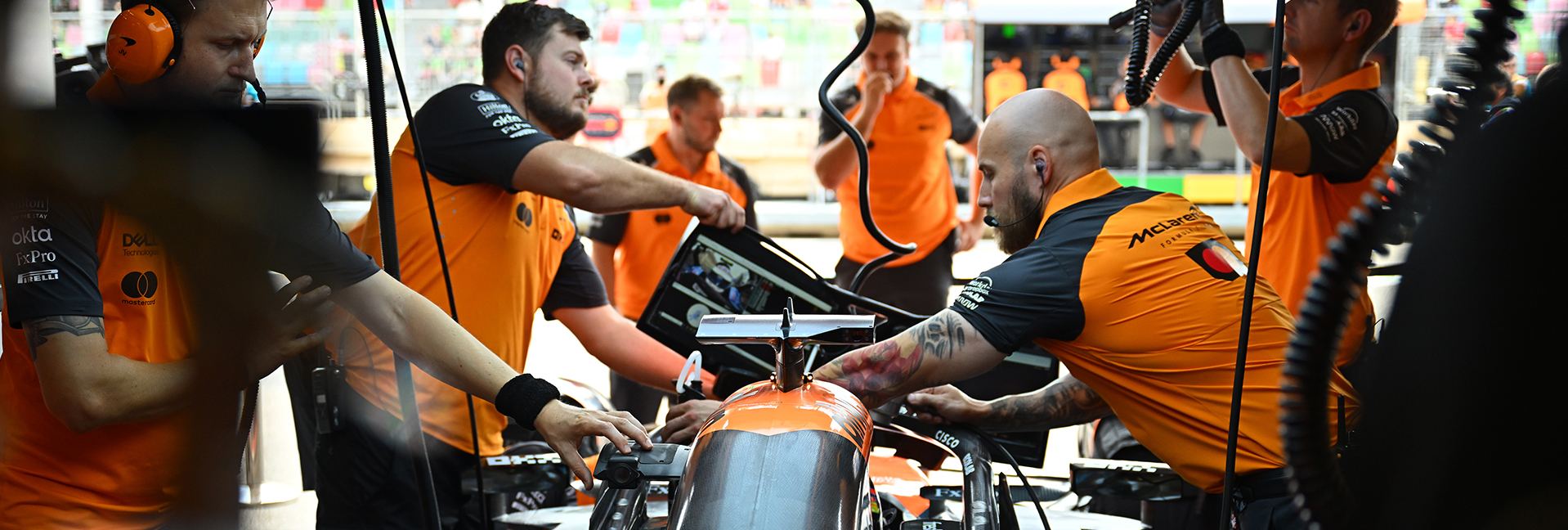
As Formula 1 gears up for a substantial overhaul in 2026, the anticipation among fans, teams, and drivers is palpable. This reimagining of the sport includes new chassis and engine regulations that are set to change the landscape of racing.
After eleven seasons with a consistent hybrid power unit architecture, Formula 1 has decided it's time for a shift. The well-established 1.6-liter V6 turbocharged internal combustion engine (ICE) will still be present, but significant modifications are on the horizon. The removal of the MGU-H, which converted exhaust gas energy into additional power, marks a pivotal moment in F1 technology. "This is a simplified hybrid system intended to be more relevant to road cars," explained an F1 executive, underscoring the move towards innovation while maintaining links to consumer automotive advancements.
"This is a simplified hybrid system intended to be more relevant to road cars,"

Career Journey
With the MGU-K receiving an upgrade to enable its energy recovery capabilities to nearly triple, the new power units will aim for an equitable balance—approximately 50 percent of power will come from the ICE and the other half from the electric system. This reconfiguration resonates with drivers and team managers alike, who are eager to see how it will translate on the track.
**Related:** [Russell Wins Thrilling Chinese GP Sprint After Six Lead Changes](/article/russell-wins-thrilling-chinese-gp-sprint-after-six-lead-changes)

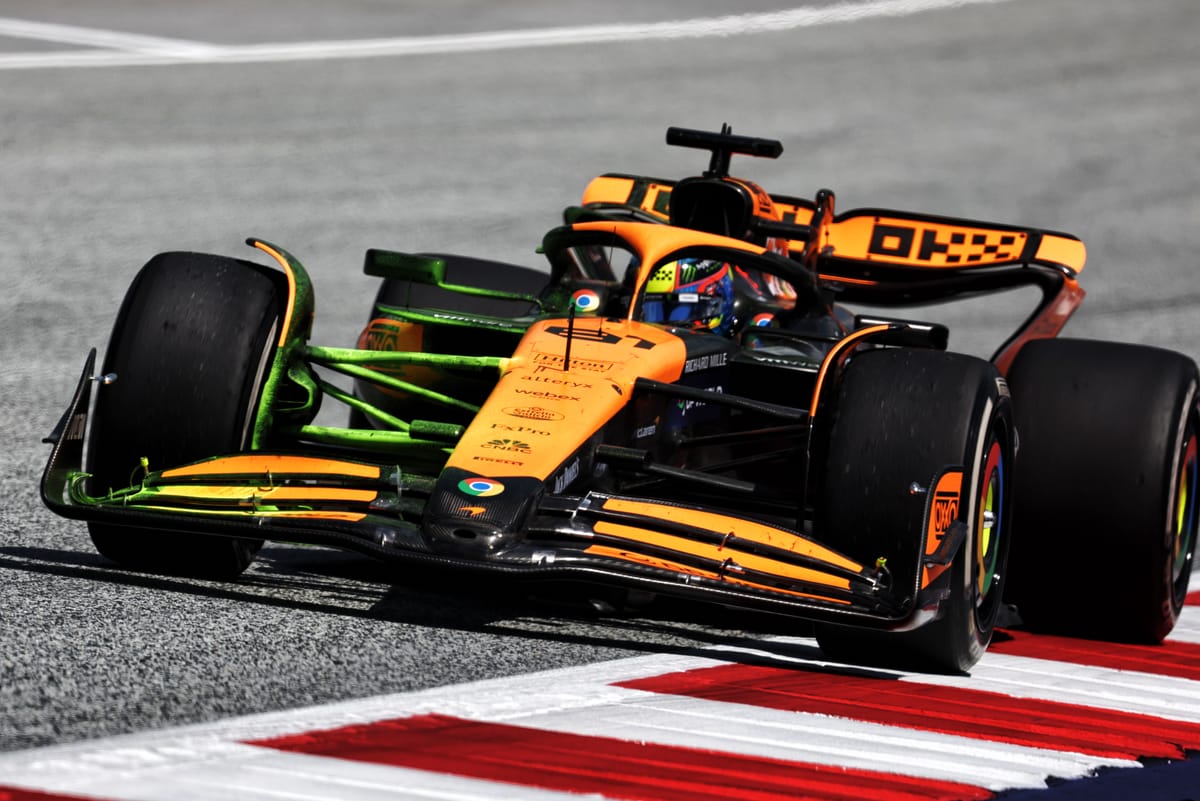
In conjunction with the engine changes, an aerodynamic reboot is also in the works. While it's unusual for both power units and aerodynamics to undergo revisions simultaneously, the goal is to create a cohesive improvement in performance and an increase in competitive racing. These updates are expected to yield slightly less power than their predecessors, yet the enhancements should keep lap times on par through innovative design.
The front wing's evolution is noteworthy; it sports a cleaner, simpler design with fewer components. "We have removed the straightforward elements that were previously overcomplicating the aerodynamics," said a senior engineer involved in the design process. In addition, this year’s regulations will see the elimination of eyebrow winglets above the front wheels, replaced by new bargeboards that enhance airflow management.
"We have removed the straightforward elements that were previously overcomplicating the aerodynamics,"

Team Dynamics
Team Dynamics
"The aim is to allow cars to follow each other more closely, which should make for better racing,” stated a lead aerodynamicist involved with one of the teams. The shift away from creating a turbulent wake—a problem stemming from car design—is particularly crucial. The previous regulations, while initially effective, allowed teams to innovate in ways that reintroduced these aerodynamic challenges.
Impact and Legacy
Impact and Legacy
Not only that, the forthcoming regulations will also promote safety and agility within the cockpit. Enhancements to the car's roll hoops, which are crucial for protecting drivers during crashes, will demand they withstand increased loads. The new designs require a new two-stage impact structure for the nose, a critical feature intended to mitigate secondary impacts, a common issue in severe collisions.
A tighter wheelbase that is 200mm shorter, combined with a narrower floor and reduced minimum weight from 798kg to 768kg, is expected to increase maneuverability. "Whether teams will achieve these minimum specifications remains to be seen, but the intent is to create a more responsive car," remarked a driver who is part of the ongoing discussions.
"Whether teams will achieve these minimum specifications remains to be seen, but the intent is to create a more responsive car,"
On the subject of active aerodynamics, the beloved DRS will be replaced by an adjustable rear wing design that operates automatically to minimize drag during straights, regardless of race conditions. This alteration aims to promote continual on-track action and fuel competition.
Current Season
For motorsport enthusiasts, the forthcoming regulatory changes in 2026 signify a paradigm shift for the sport. Teams and drivers are brimming with excitement and apprehension as they prepare for what promises to be a transformative season. The focus on improving performance while also enhancing safety and racing quality reflects the sport's dedication to innovation and the evolving landscape of motorsport.
As the 2026 season approaches, the implications of these transformations will be closely monitored. Will the new regulations succeed in revitalizing racing and increasing overtaking opportunities? Only time will tell as teams refine their strategies under this new framework and fans eagerly await the first laps of what could be a historic season.