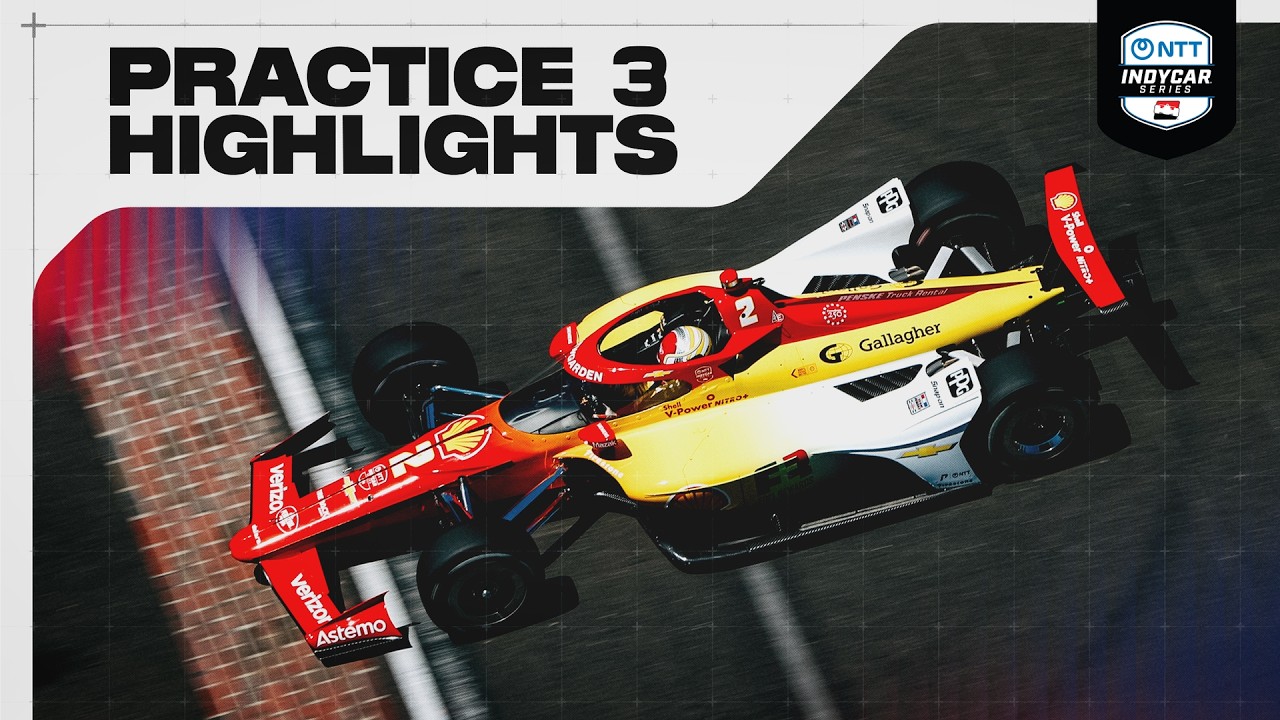
IndyCar has formally rewritten its yellow flag escalation procedure following the Alexander Rossi incident at last weekend's Sonsio Grand Prix on the Indianapolis Motor Speedway road course, removing strategic considerations from a call that had previously balanced safety against race-management variables.
The trigger event was a Lap 21 hybrid system failure on Rossi's #20 Ed Carpenter Racing Chevrolet, which left the Indianapolis 500 winner stranded on the pit straight in clear view of the field. Race control held the incident under a local yellow for a full lap before deploying full course caution, a delay that drew criticism from drivers, team principals and broadcasters in real time.
IndyCar issued the revised procedure on Thursday, with two senior officials publicly explaining the reasoning.
"The Lap 21 incident on Saturday made clear that there needs to be a cleaner standard for how race control moves from a local to a full course yellow," said Raj Nair, chair of the series' Independent Officiating Board.
The key practical change is the removal of pit-window timing and on-track running order from the escalation criteria. Under the previous framework, race control had latitude to delay a full course yellow if a deployment threatened to compromise the running order around scheduled pit stops. That latitude is now gone.
J. Douglas Boles, IndyCar's president, framed the rewrite as a return to the procedure's original purpose.
"The most important job in race control is to ensure the safety of our drivers, crews, safety workers and fans," Boles said. "Saturday highlighted that we must not waver from that central mission."
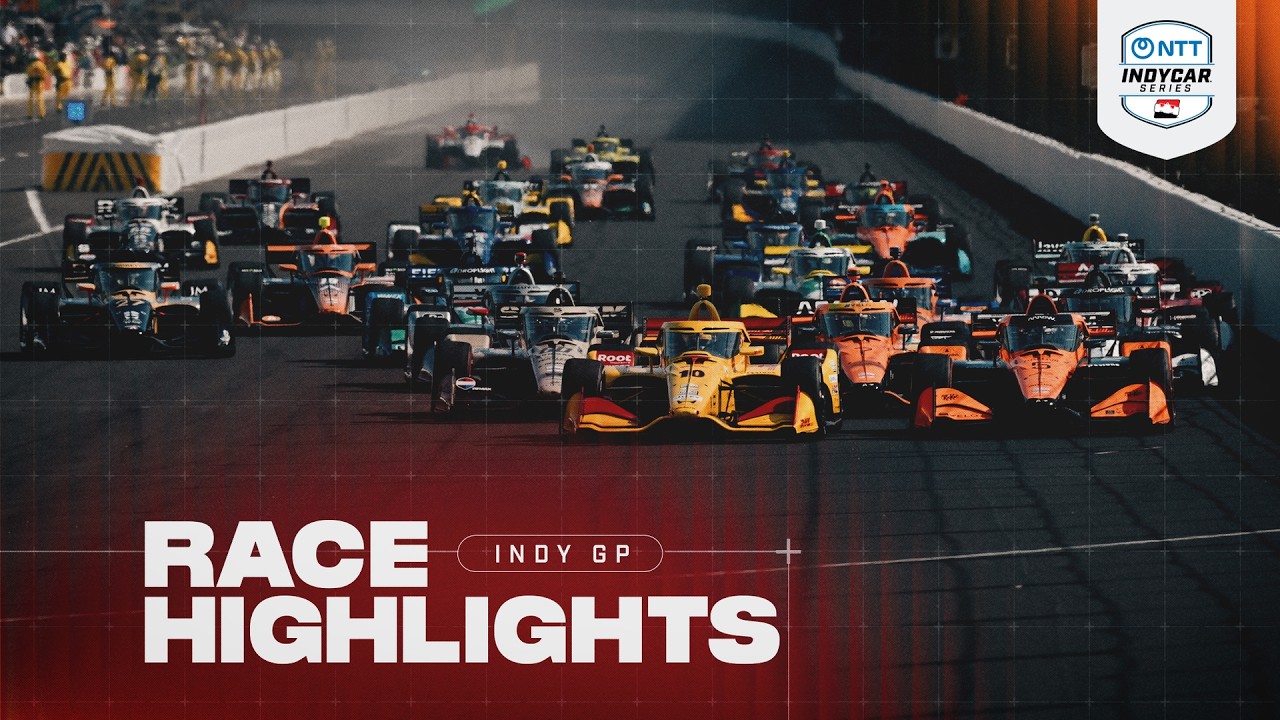
The overhaul lands at one of the highest-pressure moments of the IndyCar calendar. Indianapolis 500 practice is well underway, with engine swaps already racking up across the field. ECR confirmed that Rossi's Sonsio Grand Prix car received a fresh Chevrolet powerplant on Tuesday after Rasmussen had to take a precautionary change at the end of the road course weekend, and a third unit was swapped into the team's wider stable earlier in the week. The new yellow flag rule applies to the 500 and to the rest of the season.
Drivers have welcomed the change in terms that suggest the previous version of the rule had been a source of long-running unease. Graham Rahal, who lashed out at the recent push-to-pass rewrite after Long Beach, was among the first to publicly back the new policy. Several others have privately argued that the road course incident exposed a procedure that had been quietly stretched on multiple occasions over the past two seasons, including the late-race shuffling that played a part in Marcus Ericsson's Indy 500 defeat in 2023.
For IndyCar, the rewrite is also a signal of how the new Independent Officiating Board is intended to function. Nair's role gives the board the authority to push procedural changes outside the normal off-season cycle, and Thursday's announcement is the second mid-season adjustment under his oversight following the push-to-pass tweak earlier this month.
For Rossi, the carry-over impact is more immediate. The Andretti graduate has been hovering around the upper part of the Indy 500 practice timesheets with the fresh power unit, and is leaving Speedway with the procedural defence he had been calling for. The Lap 21 incident itself, he told the broadcast on Tuesday, "wasn't the issue" - it was how long it took anyone to do something about it.
---
*Originally published on [Motorsports Global](https://motorsports.global/article/indycar-yellow-flag-procedure-change-rossi-sonsio-grand-prix-2026-boles-raj-nair). Visit for full coverage.*