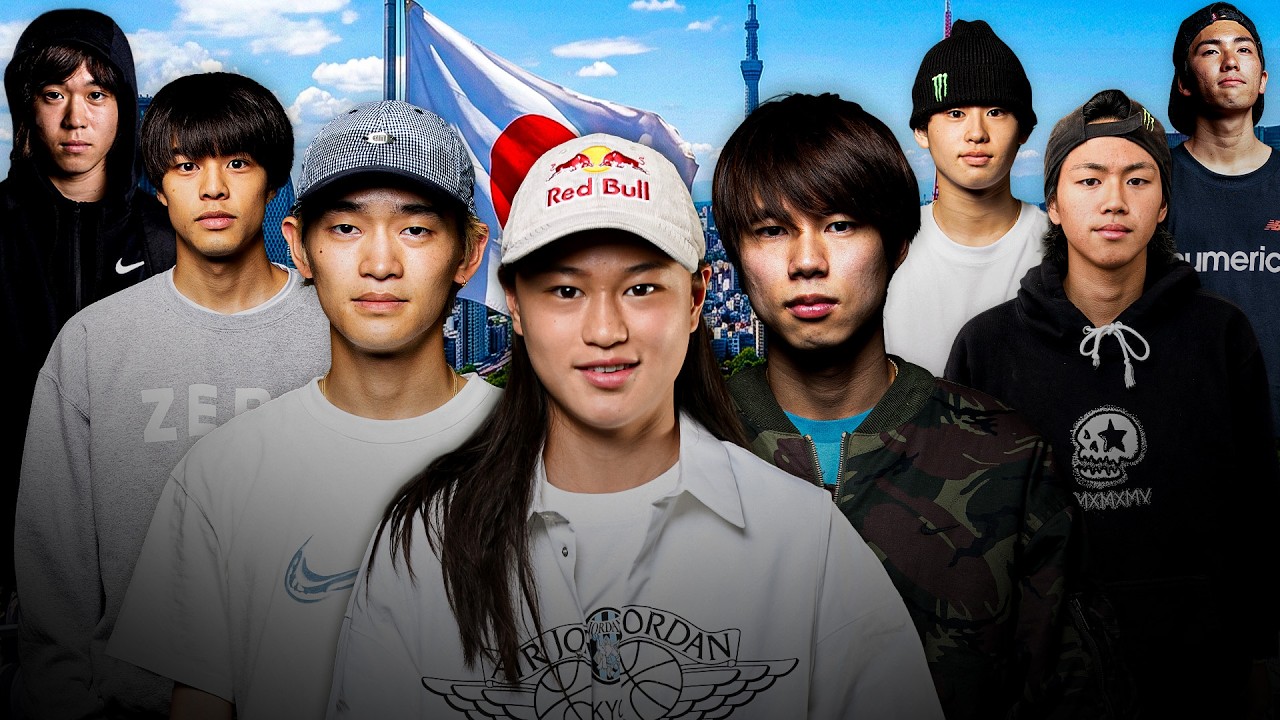
Ginwoo Onodera and Toa Sasaki are the two names Street League Skateboarding commentators returned to again and again as the qualifier unfolded � the clearest evidence that Japan's youth pipeline has now overtaken the men's draw.
Onodera landed a switchheel front nose big spin out for 9.5, a trick the broadcast team flagged as "definitely crazy" but also one that risked being docked for the repetitive big-spin-out theme running through his run.
"The only thing I can say that might come into the judges' heads here is just a lot of big spins out," one analyst said. "It's getting a little repetitive with the trick out, but switchheel front nose is definitely crazy to go in. It should be a great score. Just don't know if they're going to dock it a touch."
The judges went 9.5 anyway. "And I still think that could even be docked a little bit," the commentator added after the number came up.
Sasaki's run was the other headline from the same qualifier block. The wildcard entrant nailed a nollie barley back to regular � a sequence one analyst described as "awkward" by design, the kind of trick where lost body control usually produces a missed grind or bail.
"You don't see a lot of people do this for a reason," the commentary explained. "It's so easy to lose control and miss the front smith or go to lip or whatever. It's an awkward tweak of your body. You got to pop so high. You got to spin and then rewind back out."
Sasaki's nollie barley cleared, lifting his run to 26.2 overall and putting the wildcard inside striking distance of the top qualifying line. The broadcast team noted that wildcards are trending hot at SLS events specifically because of the qualifying pathway design.
"These wildcard skaters come in and they can just come in and they're so comfortable," one commentator observed. The response: "I mean, they've got a good footing of the course through that wildcard jam. And then I think they're just hungry. I think it's a big opportunity and they know they have to take advantage."
For Onodera, the support crew cheering him on was a story of its own. Fellow Japanese skater Riley and Onodera's father were caught on camera hyping together, prompting one broadcaster's observation: "Riley baby and Mr. Onodera. He was like, 'We don't even know each other.' No, Riley has that effect on people."
Together, Onodera and Sasaki represent the generational wave arriving behind Yuto Horigome and Sora Shirai � younger, hungrier, and in Sasaki's case, still navigating the wildcard door. Both skaters dropped scores in the same qualifier round that historically would have been saved for finals day.
"Japan is taking over men's Street League skateboarding," the broadcast lead-in declared. The Onodera-Sasaki block of the qualifier was the clearest on-deck evidence of that headline.
The broader implication for SLS's 2026 season: the qualifying-round scoring ceiling has moved. Wildcards are producing 26-plus runs. Top seeds are producing 37-plus runs. The runs needed to reach the final have effectively doubled in difficulty from what the circuit was rewarding two seasons ago � and Japan's depth is the reason.