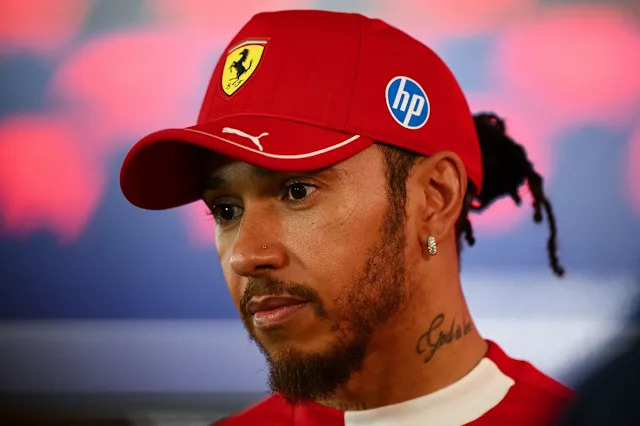
In a recent statement, the FIA has affirmed that the engine regulations set to debut in Formula 1 will remain unchanged for the 2026 cycle. This announcement came following a meeting in Bahrain between FIA president Mohammed Ben Sulayem and current as well as future engine manufacturers.
"All parties are committed to the 2026 regulations and look forward to the prospect of exciting racing," said the FIA in its communication. This vow highlights the governing body's dedication to the newly established rules amidst ongoing discussions about the future of engine formats in the sport.
"All parties are committed to the 2026 regulations and look forward to the prospect of exciting racing,"
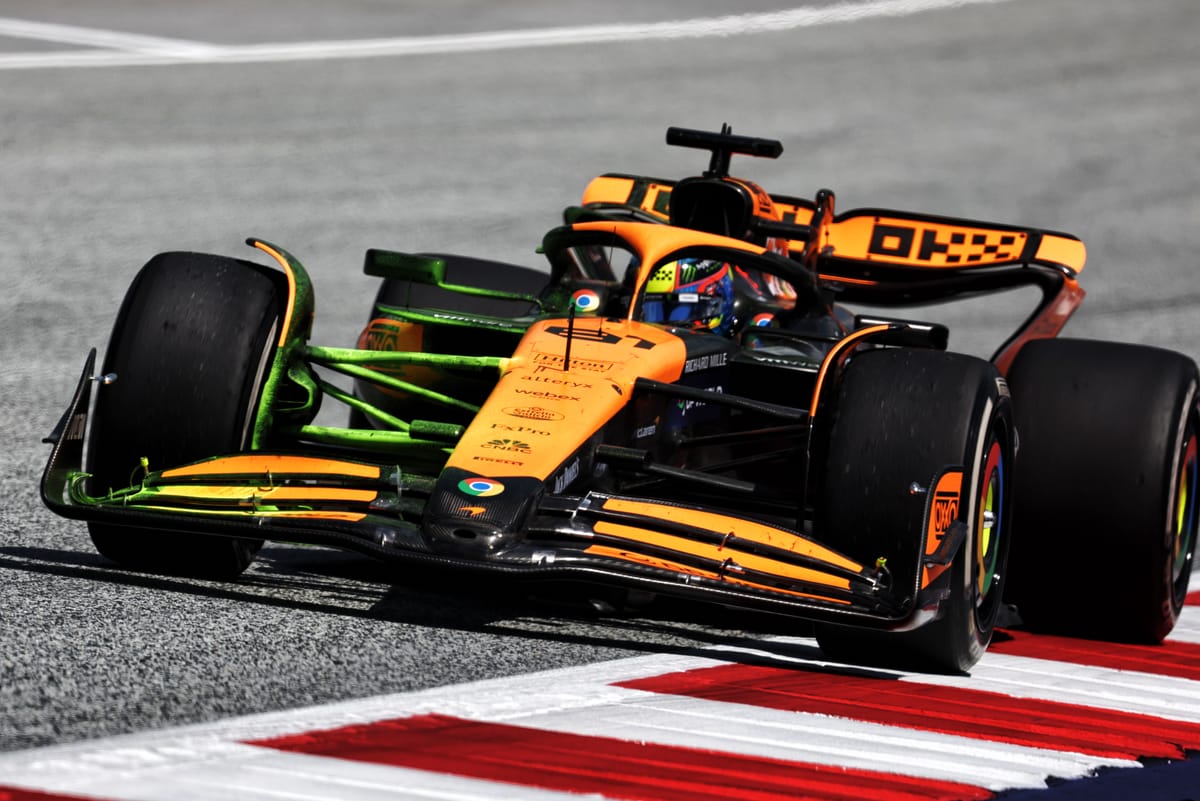
The prospect of reintroducing naturally-aspirated V10 engines, which were phased out two decades ago, was floated by Ben Sulayem earlier this year. While it intrigued many in the F1 community, it was ultimately deemed impractical. Although the FIA acknowledged that the introduction of normally-aspirated engines with sustainable fuel was part of the discussions, they have firmly ruled out making changes to the current V6 hybrid turbo configuration.
**Related:** [Ferrari's 2025 Strategy: Enhancing Stability for Key Drivers](/article/ferraris-2025-strategy-enhancing-stability-for-key-drivers)
"The adoption of normally-aspirated engines with sustainable fuel was discussed during the meeting," noted the FIA. However, the present structural framework regarding hybrid power units will endure, ensuring their continued role in the evolution of motorsport technology.

"The adoption of normally-aspirated engines with sustainable fuel was discussed during the meeting,"
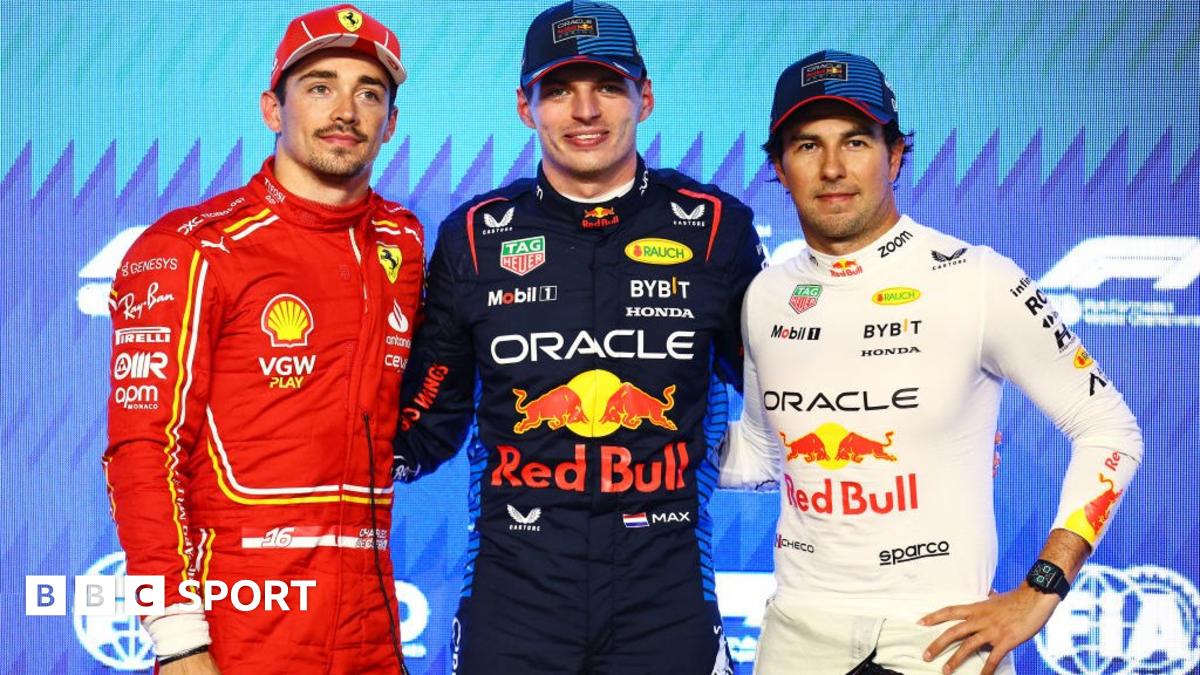
The governing body emphasized that hybrid engines will always remain a focal point in any forthcoming deliberations. "The use of sustainable fuel will be an imperative," the FIA reiterated, illustrating the sport's commitment to environmental responsibility.
"The use of sustainable fuel will be an imperative,"

Team Dynamics
Team Dynamics
Moreover, there is a recognition of the financial landscape surrounding F1 engines. The FIA expressed a willingness to consider potential adjustments to the financial regulations that oversee power units, aiming to maintain competitive balance among the teams. However, they did not provide details regarding any specific solutions that could be implemented to avoid significant disparities in performance between engine manufacturers.
This lack of a clear mechanism worried certain team principals. Christian Horner, Red Bull's team principal, voiced concerns that failing to address cost management could lead to inequalities in competition as some teams could dominate while others lag. The FIA's commitment to hybrid technology and sustainable practices reflects an ongoing challenge within the sport to balance innovation and equality.
Race Results
Current Season
Current Season
As the 2026 season approaches, the FIA remains focused not only on the present regulations but also on the future pathway of F1 engines. The responses from industry stakeholders and fans alike will continue to influence these crucial discussions, especially regarding the balance between performance, sustainability, and financial equity in the world of Formula 1.
Career Journey
Looking ahead, the conversation about engine dynamics in F1 is likely to intensify as teams prepare for the adaptation of the existing regulations. The current stability could foster competitive racing, but the journey toward technological advancement and sustainability will remain a priority, shaping the landscape of Formula 1 for years to come.