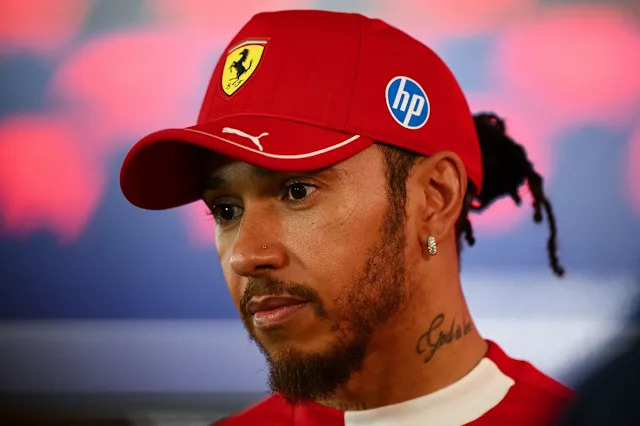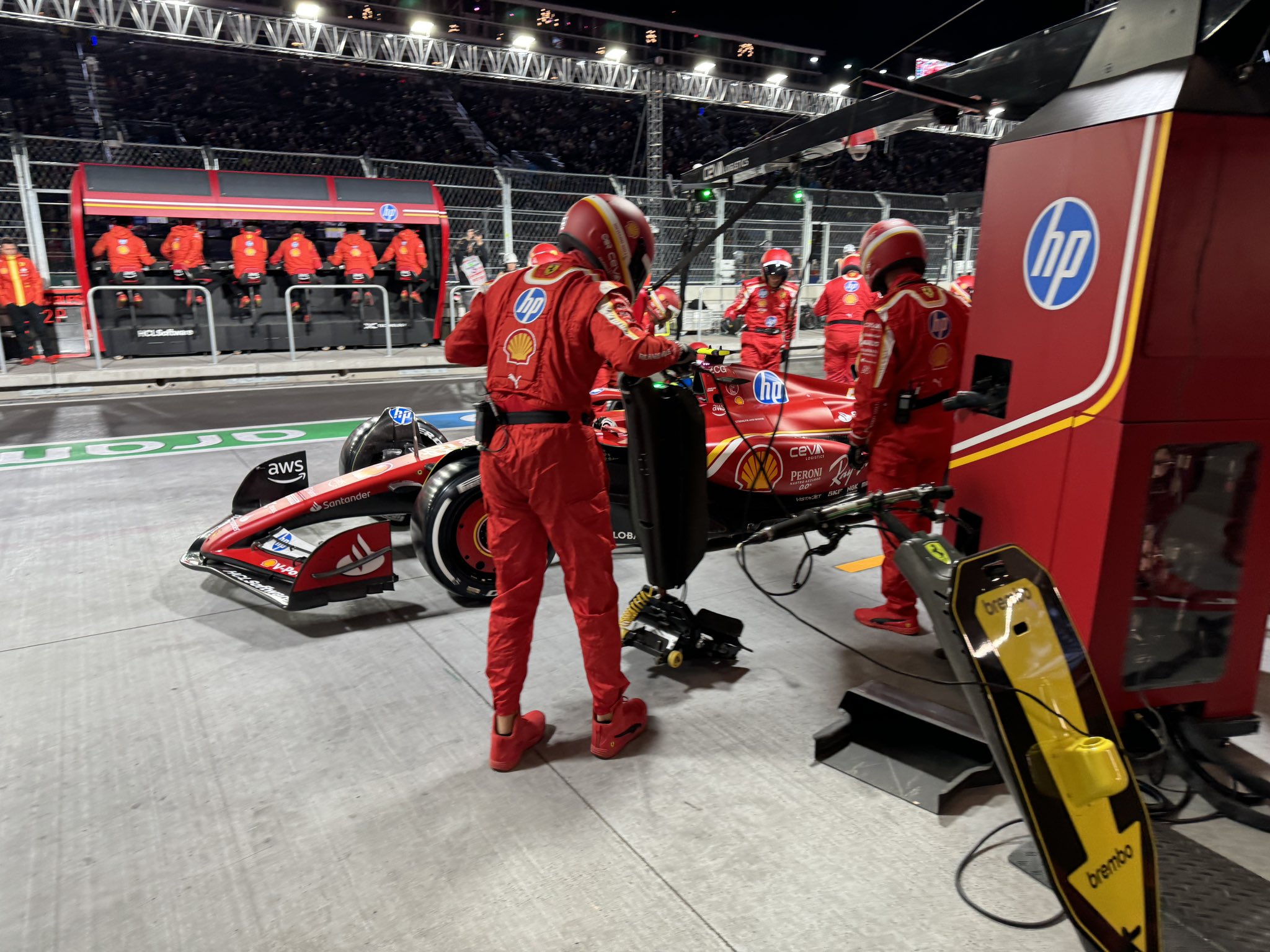
The recent Las Vegas Formula 1 Grand Prix proved to be an exhilarating event, but it spotlighted a host of errors on Ferrari’s part, particularly in their strategy and pit wall decisions. High tire degradation and graining were prominent factors that influenced the race, challenging drivers throughout the event.
"We were heading toward such a scenario," said a team strategist, reflecting on the predictions prior to the race regarding tire performance and strategy. The reopening of the streets had transformed the track, leading to a 'green' surface that left teams scrambling to adapt. Low temperatures further compounded the difficulty, signaling an environment that was ripe for mistakes.
"We were heading toward such a scenario,"
As teams prepared for the unique conditions, many anticipated a two-stop strategy would be necessary, contrary to Pirelli's recommendation for a single stop. "We saved two sets of Hard C3 compound tires," noted one of the team leaders. The C3 tires indeed displayed superior performance compared to the C4s, yet those who started strong on the C4s quickly found themselves shifting to a two-stop strategy due to early graining issues.
"We saved two sets of Hard C3 compound tires,"
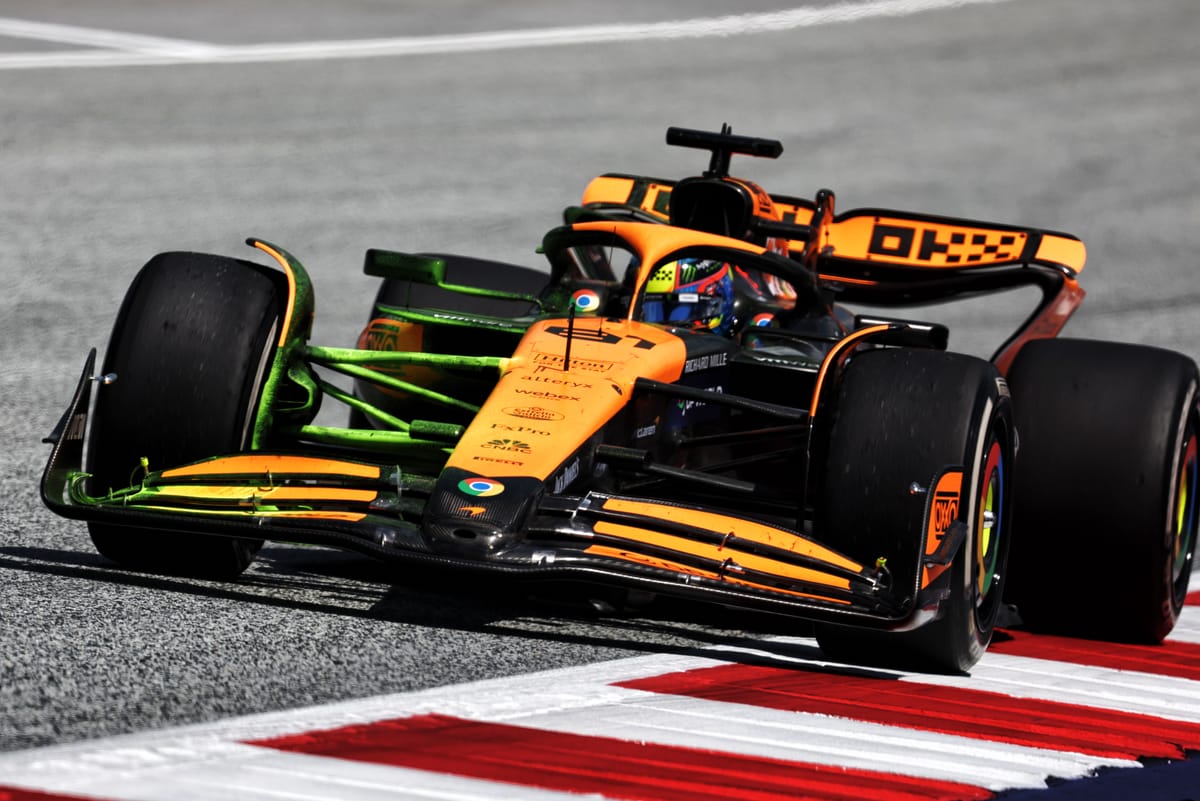
The latter part of the race showcased the C3 tire’s full capabilities as the asphalt rubbered in. "Lap times became competitive and consistent over stints longer than 20 laps," an engineer explained, emphasizing the potential Ferrari missed as they continued to grapple with their own strategic calls.
"Lap times became competitive and consistent over stints longer than 20 laps,"
Career Journey
Ferrari’s troubles were evident in their initial race strategy. Charles Leclerc and Carlos Sainz executed their opening laps well, but issues soon arose. Leclerc’s aggressive approach early in the race caused him to lose control on lap 4, negatively affecting his tire management. "I lost touch with Russell and faced pressure from Carlos," admitted Leclerc after the race, underscoring the significance of managing pace.
"I lost touch with Russell and faced pressure from Carlos,"
**Related:** [Lexus Celebrates First LMGT3 Win with New Tire Strategy](/article/lexus-celebrates-first-lmgt3-win-with-new-tire-strategy)
Career Journey
This early misstep had repercussions as Verstappen and Sainz both managed to overtake Leclerc when they shouldn’t have. Meanwhile, the pit wall contributed to Ferrari's downfall by hesitating on Leclerc’s pit stop, allowing him to fall 10 seconds behind Russell before finally coming in on lap 10. Sainz, also struggling for pace, couldn’t keep up, hitting a lap time that lagged considerably behind his competitors: "I was trying hard, but I needed better support from the team to chase George," Sainz pointed out.
"I was trying hard, but I needed better support from the team to chase George,"
Team Dynamics
Ferrari’s mismanagement didn’t stop there. Engaging in a battle among their drivers also hindered their strategy. Instead of prioritizing the faster Carlos Sainz to pursue Russell, they allowed Leclerc to linger in his slower pace, costing the team crucial seconds. As Sainz closed in on the leaders, Leclerc was still trailing, despite being unable to overtake his teammate, which could have helped Ferrari’s chances significantly.
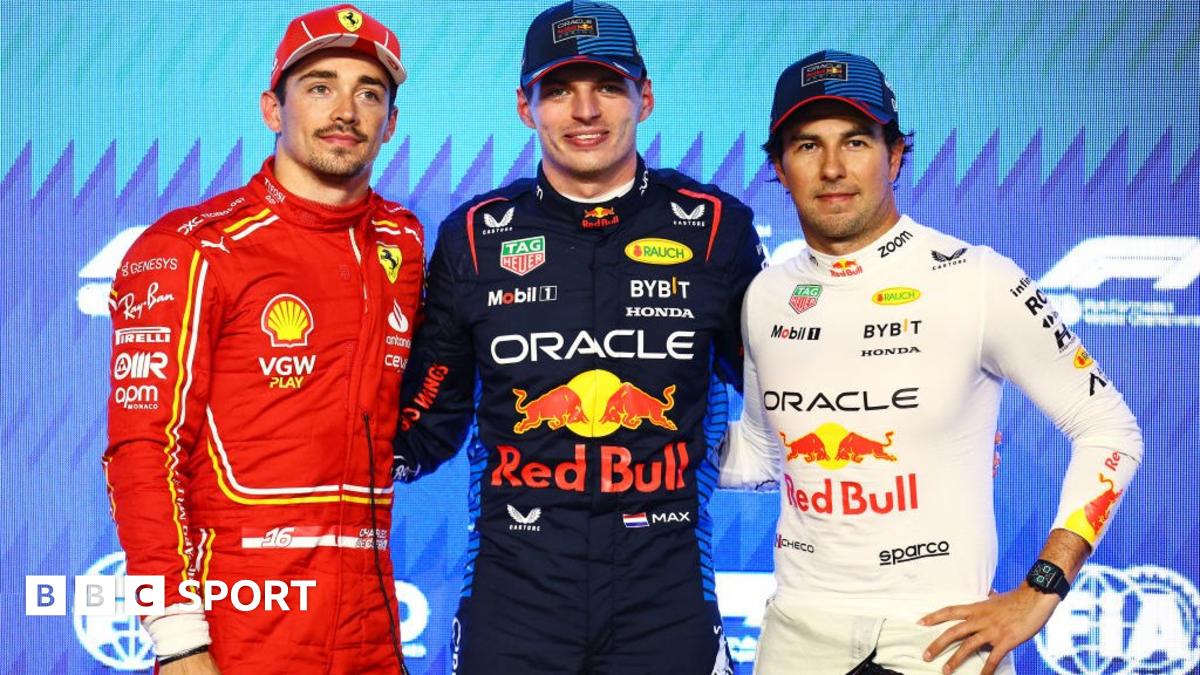
"By the time Charles was free to attack, it was already too late," said an analyst reflecting on the team’s internal struggles. In multi-car races, harmony within the team can mean the difference between points and a non-podium finish.
"By the time Charles was free to attack, it was already too late,"
Race strategies differed widely among competitors, with several drivers employing varying tire strategies effectively. Notably, George Russell’s Medium-Hard-Hard approach drove him to victory, as he consistently recorded competitive lap times. Meanwhile, Sergio Perez executed a sensational Hard-Medium-Hard strategy, climbing from P16 to P10, highlighting the potential for opportunistic overtakes that Ferrari lacked.
As the race concluded, frustration echoed from Ferrari’s garage. "The only thing done right was the start," one team member conceded, recognizing the lost potential of their SF-24 car. Despite some promising speed, the team's strategic shortcomings ultimately overshadowed their performance, resulting in a disheartening finish.
"The only thing done right was the start,"
Looking forward, the team will need a deep assessment of both pit wall strategies and communication amidst their drivers if they hope to capitalize on the speed they’ve demonstrated. As other teams refine their tactics, Ferrari’s ability to learn from this race will be crucial for their upcoming challenges in the season's home stretch.