With the 2026 Formula 1 technical regulations overhaul on the horizon, teams are beginning to redirect their focus towards upcoming changes. As the current season enters its later stages, many teams are prioritizing resource allocation for the future, leading to a distinct lack of updates across the grid.
The Dutch Grand Prix at Zandvoort marked the first race following a four-week summer shutdown, a period that typically stalls engineering efforts. Only three teams made updates for this race, signaling a major shift in priorities. Both Sauber and Alpine made adjustments to their rear brake ducts, while Red Bull extended the chord of the RB21’s front wing flaps to enhance load generation.
Reflecting on this strategy, Sauber’s sporting director, Iñaki Rueda, elaborated on the team’s focus. ‘We’ve shifted all of our main focus on 2026,’ he said. ‘But there are some things you can still get with CFD that don’t require wind tunnel running, or things you were unsure about in the past.’ This comment underscores that teams are leveraging advanced simulation techniques to eek out performance even as they turn their attention from the current season.
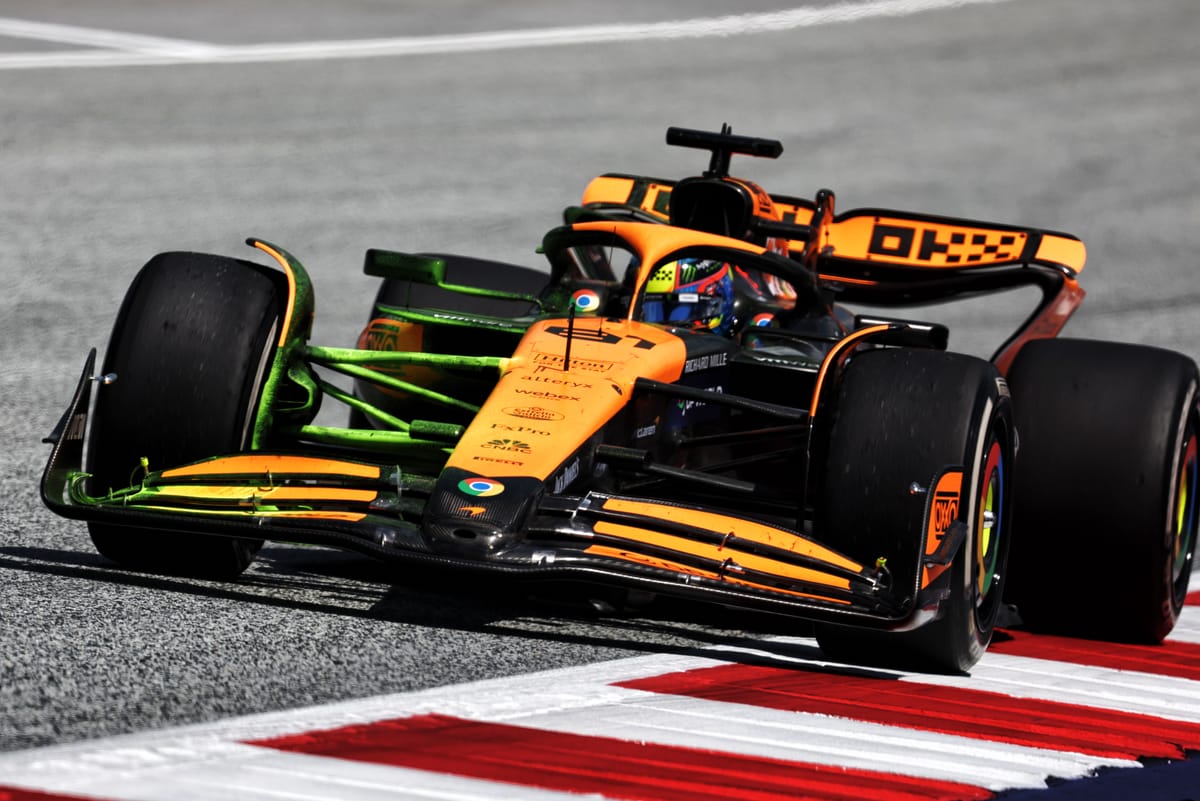
Rueda further emphasized that the team's updates are not extensive. ‘It’s the low-hanging fruit that you don’t spend a lot of time [working on].’ He elaborated on the minor nature of the modification: ‘We haven’t re-done the whole brake drum. If you look at it, it’s just an appendage to an existing brake drum.’ This approach seems particularly prudent in the context of cost caps, which are meant to limit the budget teams can allocate to development in any given season.
**Related:** [F1 2026: The Shift in Aerodynamics and Front Wing Dynamics](/article/f1-2026-the-shift-in-aerodynamics-and-front-wing-dynamics)
When discussing the specific modifications made to the Sauber C45, Rueda said, ‘Between the tyre and rear wing, all of that winglet area is super defined. This area serves the purpose of leading the flow from the floor and the bodywork. It also helps to harness the heat in the tyre.’ The tactical decision to focus on these minor adjustments showcases the evolving strategies teams are employing ahead of the 2026 overhaul.

Rueda described the importance of temperature management within the braking system: ‘The heat in the tyres comes from the contact patch and the brakes inside the wheel. You get these big, glowing red brakes that you see on endurance cars. Harnessing, or making sure that the least [amount] of that energy as possible actually radiates to the rim, is a big exercise. These winglets play a part in that.’
Looking Ahead
Looking Ahead

Looking Ahead
This intricate balance of performance and resource management is critical as teams face the unique challenge of determining when to allocate resources for current races versus future regulations. Historically, F1 teams have meticulously planned their updates across the racing calendar, but the impending set of regulations has distinctly altered that scenario.
Race Results
As Sauber and Alpine skim the surface of potential updates with minimal changes, the overall trend indicates that many teams may be treading lightly while attempting to maximize their potential within the current framework.
Looking Ahead
Looking ahead, the shift in focus poses questions about how teams will adapt their strategies in the remaining races. The balance of short-term performance and long-term vision will be key in navigating the transitional period leading up to the new regulations. Teams are not only racing on the track but are also preparing for a future that promises to be distinctly different as Formula 1 evolves.