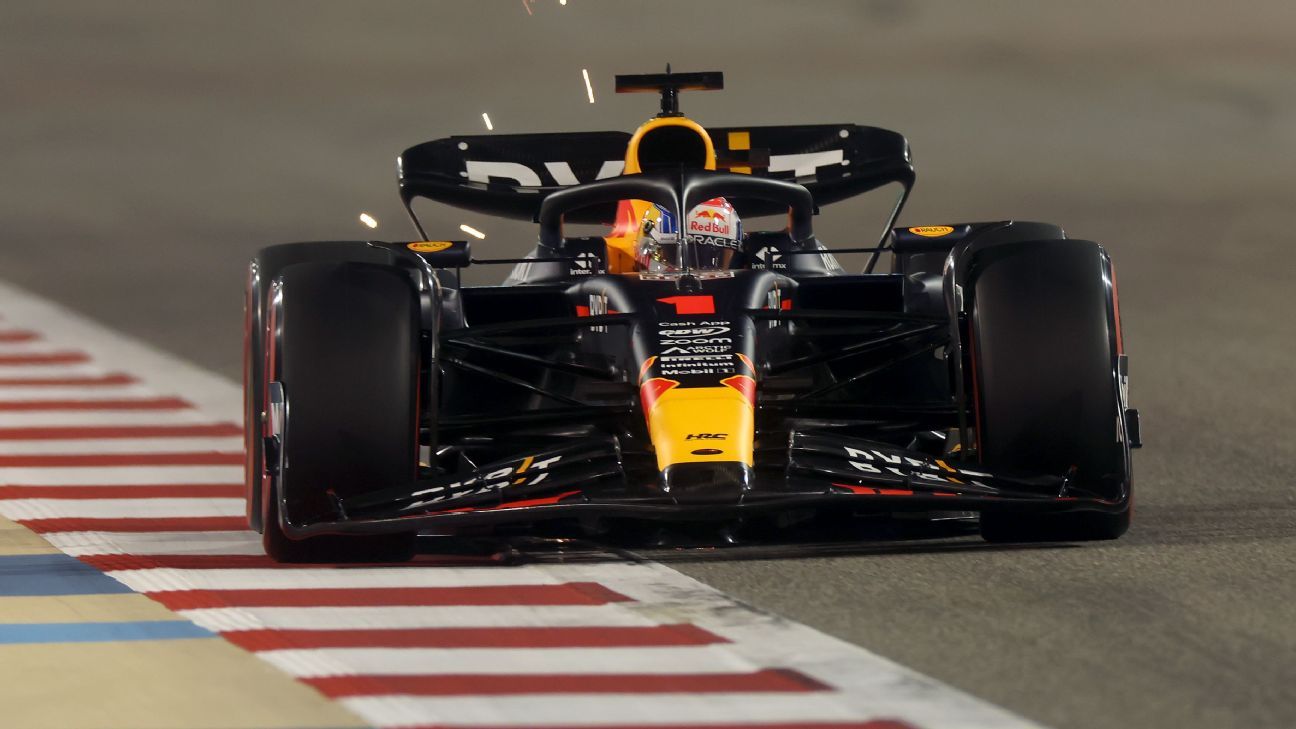
Formula 1 will trial a new qualifying format that introduces tire restrictions, aimed at increasing the excitement and strategy involved in race weekends. The changes will take place during the upcoming race at the Circuit de Barcelona-Catalunya, a venue well-known for its technical challenges and tactical demands.
"The goal is to mix things up and give teams and drivers different strategies to play with in qualifying," said F1 Race Director Niels Wittich. His perspective reflects a growing interest within the sport to continually evolve the competition format to enhance the spectator experience.
"The goal is to mix things up and give teams and drivers different strategies to play with in qualifying,"
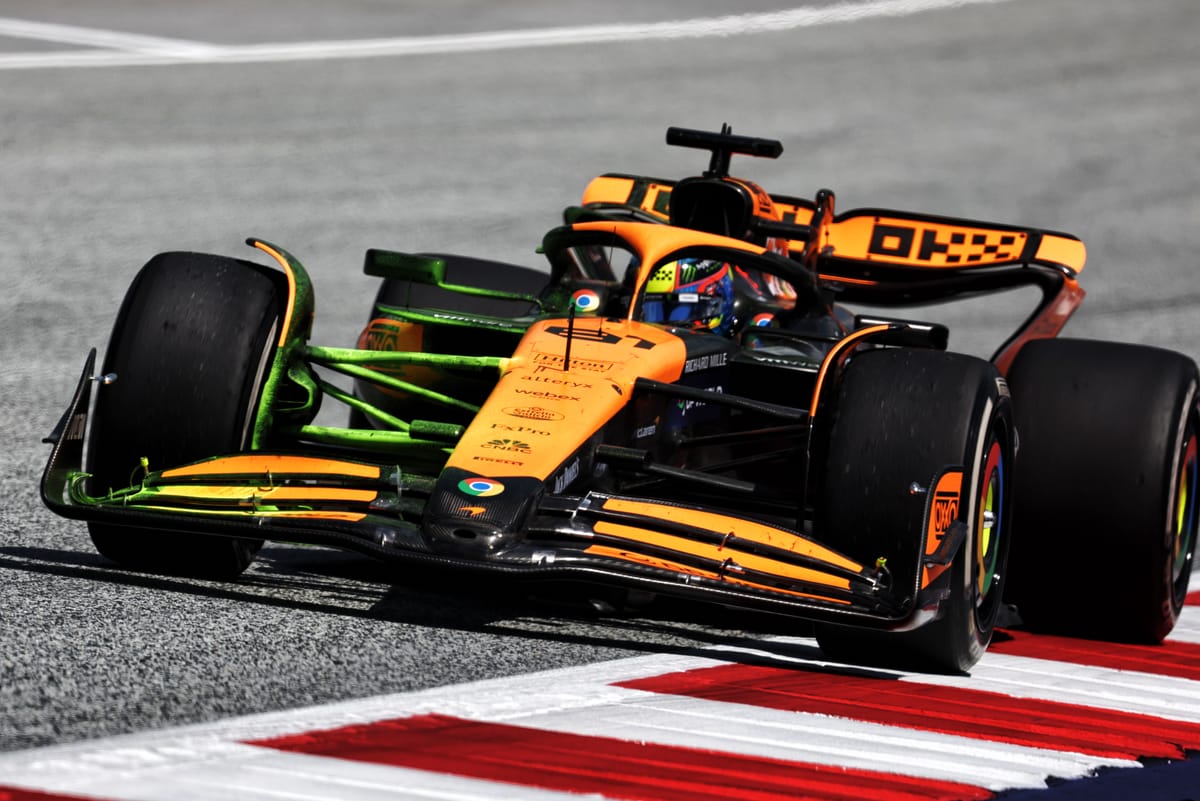
Under the proposed format, drivers will face a limitation on the types of tires they can use during qualifying sessions. This strategy is expected to encourage teams to make more calculated decisions regarding tire management and performance across various qualifying rounds.
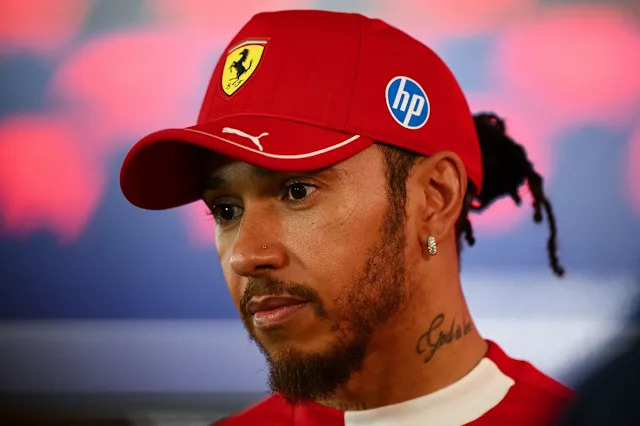
"It will definitely push us to think not just about the speed during the sessions but also about how we can save tires for the race," offered Lewis Hamilton, a veteran driver known for his efficiency and race management skills. Hamilton's insights underline how crucial tire management is in maximizing performance.
"It will definitely push us to think not just about the speed during the sessions but also about how we can save tires for the race,"

Qualifying
During this trial, teams will have to balance qualifying speed with the understanding that certain tire compounds may be more beneficial for the race itself. Many drivers see this as a welcome change that could level the playing field.
**Related:** [AI-Generated Malware Powers New Ransomware Campaign by Hive0163](/article/ai-generated-malware-powers-new-ransomware-campaign-by-hive0163)
Qualifying

"Every team has different strengths and weaknesses, and this format might actually help smaller teams close the gap during qualifying," mentioned Ferrari's Charles Leclerc. His views echo the sentiments of drivers seeking more equal competition.
"Every team has different strengths and weaknesses, and this format might actually help smaller teams close the gap during qualifying,"
Race Results
F1 officials have expressed their commitment to adapt the rules accordingly, citing fan engagement and team dynamics as pivotal factors. "We want to see more variability in race results, and this could be a step in that direction," remarked Stefano Domenicali, the CEO of Formula 1. His leadership reflects the organization’s broader goal of innovation and responsiveness to audience preferences.
"We want to see more variability in race results, and this could be a step in that direction,"
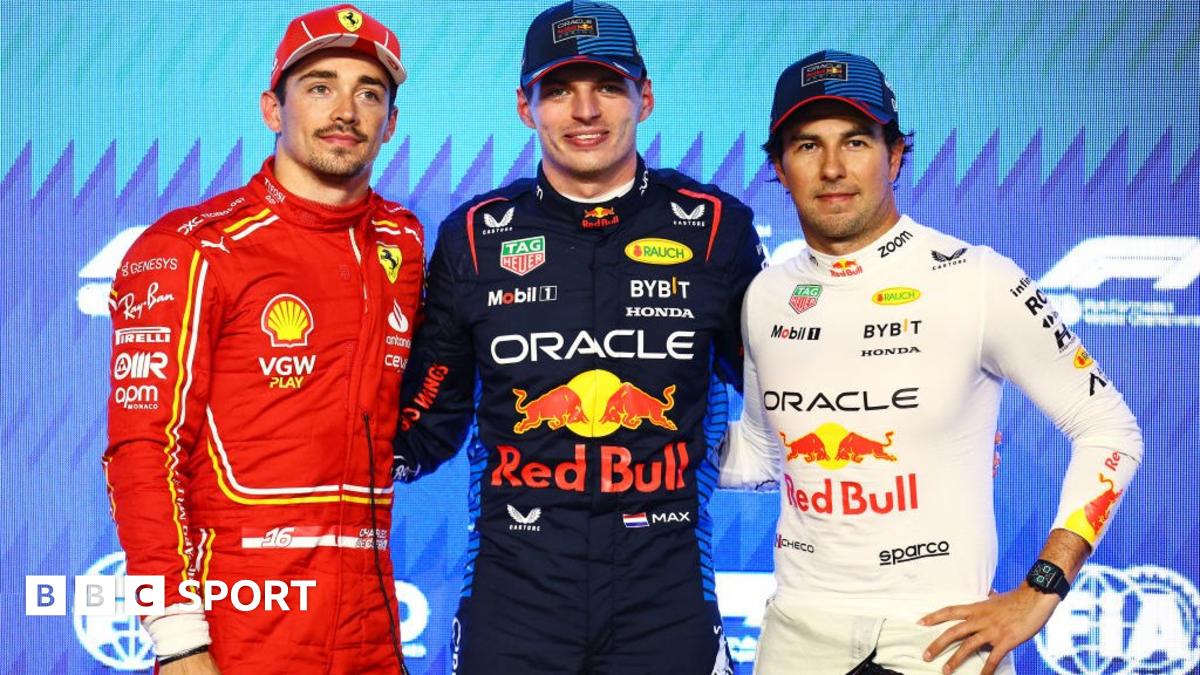
The trial will provide critical data that the governing body, FIA, will analyze to gauge its effectiveness. "If it works, we could implement it more widely across the season," explained FIA President Mohammed Ben Sulayem. His forward-looking approach is indicative of the FIA's goals to refine competitive integrity in the sport.
"If it works, we could implement it more widely across the season,"
This upcoming trial is part of a string of initiatives aimed at enhancing the entertainment value of Formula 1. Last season’s introduction of sprint races and increased focus on driver personalities showed the desire to innovate and engage fans on multiple levels.
"Ultimately, it’s all about improving the show for our fans and ensuring every race remains unpredictable," said Wittich, emphasizing the importance of fan involvement in the evolution of race formats. As F1 continues to strive for balance between tradition and modernization, such trials may become more common in future seasons.
"Ultimately, it’s all about improving the show for our fans and ensuring every race remains unpredictable,"
As the Formula 1 world prepares for a thrilling season ahead, all eyes will be on Barcelona to see how these modifications will play out. The outcomes of this trial could well influence future regulations and the competitive landscape of F1 moving forward.