During a pivotal meeting at the Abu Dhabi Grand Prix, the Formula 1 Commission announced several key changes to the sporting and technical regulations, most notably deciding to retain tyre blankets for the 2025 season. Initially, there was an expectation that the ban on tyre blankets would be enforced, but the Commission ultimately reversed this decision. "Pirelli has been working on creating tyres which do not need to be heated in blankets in a bid to try and reduce energy consumption from the championship," explained a source involved in the discussions.
"Pirelli has been working on creating tyres which do not need to be heated in blankets in a bid to try and reduce energy consumption from the championship,"
The alternative tyre allocation, which aimed to reduce the number of dry tyres per driver from 13 sets to 11 during the trials in Hungary and Italy, has also been removed. This change reflects a wider concern regarding both sustainability and performance in the sport.
In addition to the tyre discussion, the Commission has focused on improving the Sprint format. The Commission decided to "further rationalise" the Sprint weekend, separating Sprint activities from the main Grand Prix weekend. Under the current structure, Free Practice 1 takes place on Friday ahead of Grand Prix qualifying, with the cars entering parc ferme after just 60 minutes of running. Drivers have expressed concerns about being locked into their set-ups too early in the weekend. "We have heard the calls for change to the parc ferme rules," commented a team manager, indicating an openness to adjustments that would enhance competitive fairness.
"further rationalise"
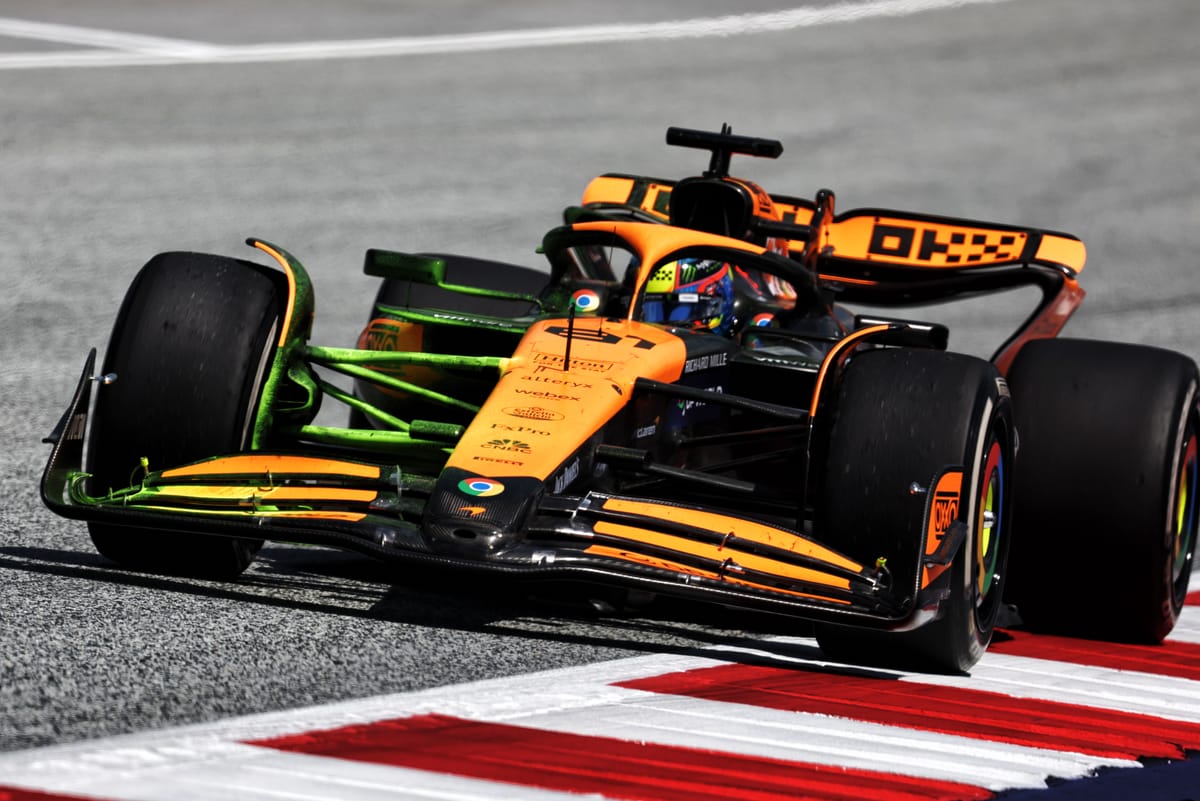
The Sprint weekend will now see a revised format where teams and drivers can reassess after free practice sessions, potentially allowing for more strategic decisions leading into Saturday’s Sprint.

Race Results
Continuing with innovations, a wet weather package will also undergo testing, introducing a wheel cover design aimed at reducing spray during inclement conditions. "We want to establish a proof of concept for the wheel cover," said an engineering representative, highlighting the ongoing efforts to enhance safety during wet races. Previous trials throughout the season have yielded inconclusive results, prompting further exploration of this critical safety feature.
"We want to establish a proof of concept for the wheel cover,"
**Related:** [SEC Chair Paul Atkins Reverses Gensler's Crypto Regulations](/article/sec-chair-paul-atkins-reverses-genslers-crypto-regulations)

Additionally, updates to the Technical Regulations have been approved to allow for a 'scoop' designed to improve driver cooling, a change prompted by the extreme heat experienced during the Qatar Grand Prix. Reports indicated that some drivers faced severe discomfort, with Lance Stroll even stating, "I was losing consciousness behind the wheel." This underscores the necessity of adapting car designs to ensure athlete safety amid increasingly challenging race conditions.
Looking Ahead
Looking ahead, the Commission's members agreed that development work on the new generation of cars for 2026 will not commence before 2025. This precaution emphasizes a commitment to stability and precision as teams prepare for a significant change in car design and technology.
Impact and Legacy
While these changes are promising, they are subject to the approval of the World Motor Sport Council (WMSC), emphasizing the importance of regulatory oversight in Formula 1. As the sport continues to evolve, each decision made during the Commission meetings heavily influences not only the teams and drivers but also the overall perception of Formula 1’s commitment to safety, sustainability, and competitive integrity.
In conclusion, the F1 Commission’s recent decisions reflect a proactive approach to the challenges faced by the sport and its participants. As preparations for the 2025 season begin, these adjustments aim to enhance both performance and safety, ensuring that Formula 1 remains at the forefront of motorsport innovation.