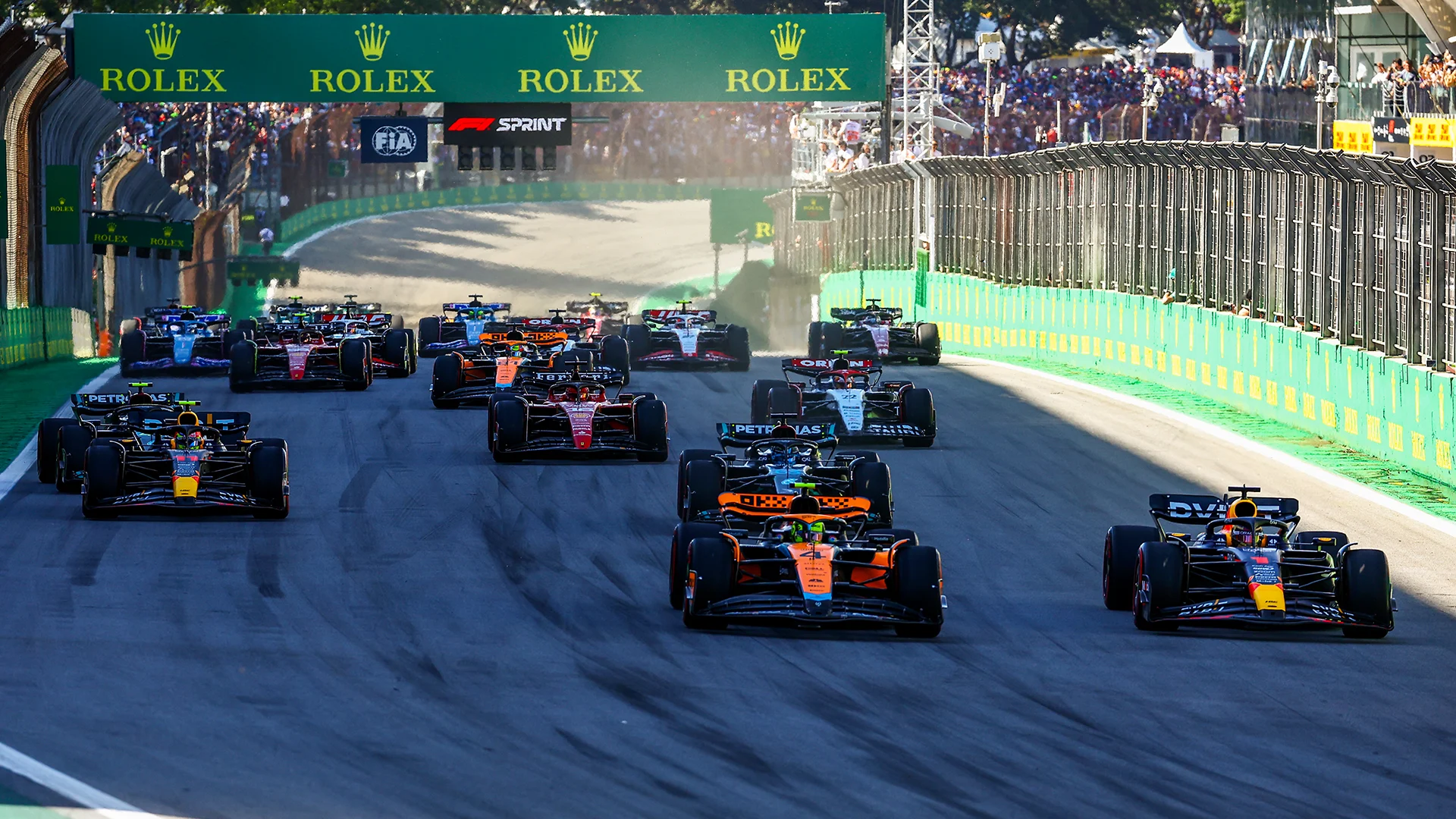
In Abu Dhabi this weekend, the Formula 1 Commission convened for its fourth and final meeting of 2023, addressing a range of pivotal topics pertaining to the sport's future. Among the many items on the agenda was the much-anticipated future of Sprint events, set to undergo significant changes in 2024 and beyond.
"We believe the update to the Sprint format will further rationalise the weekend by separating Sprint activities from those for the Grand Prix," said FIA Single-Seater Director Nikolas Tombazis. With a push for a more structured weekend, the Sporting Advisory Committee will now focus on fine-tuning specifics, including timing and parc ferme regulations, leading to a comprehensive proposal for the Commission's next gathering in 2024.
"We believe the update to the Sprint format will further rationalise the weekend by separating Sprint activities from those for the Grand Prix,"
Tyre strategy was another essential item discussed during the meeting. The Commission underscored the need to enhance the overall performance of tyres, intending to reduce overheating issues and improve raceability. "Our priority is to ensure that races are competitive and engaging, and that means addressing tyre performance," said Formula 1 President and CEO Stefano Domenicali.
"Our priority is to ensure that races are competitive and engaging, and that means addressing tyre performance,"
Current Season

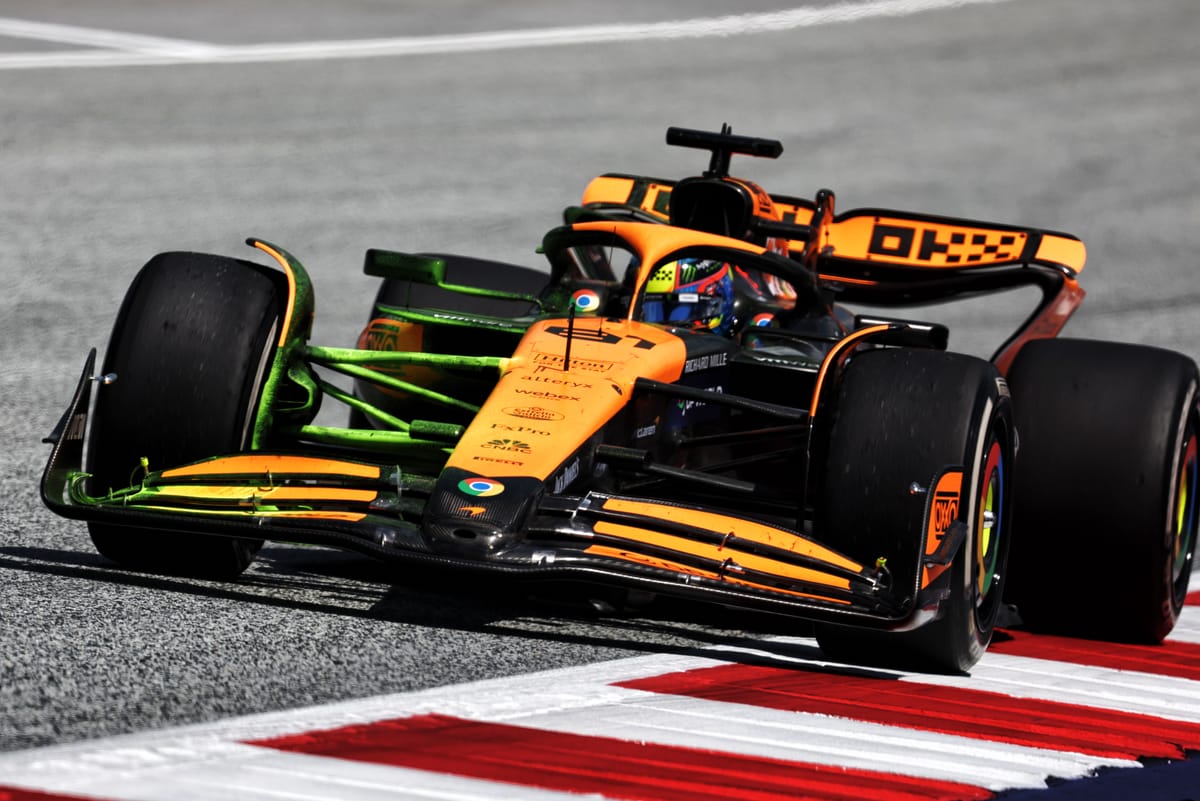
In a related development, following trials of the Alternative Tyre Allocation (ATA) earlier this season, the decision has been made to revert to the standard allocation of 13 sets of dry tyres for 2024, paving the way for a more traditional approach.
As the Commission continued to explore means of improving race conditions, a significant focus was placed on driver cooling, especially in light of the extreme heat observed during the Qatar Grand Prix. To alleviate the risk faced by drivers under such circumstances, the Commission approved updates allowing for a cooling scoop to be fitted to cars. "Safety and the well-being of our drivers are paramount," remarked Tombazis.
"Safety and the well-being of our drivers are paramount,"
**Related:** [Bank of England Monetary Policy Committee Meeting Overview - March 2026](/article/bank-of-england-monetary-policy-committee-meeting-overview-march-2026)

The meeting also laid the groundwork for a new wet weather package designed to enhance visibility in rainy conditions. A test will be conducted in Spring 2024 focused on a cover design that completely wraps around the tyre. This effort aims to significantly reduce spray during wet sessions, making for safer racing.
In terms of regulatory adjustments, the Commission approved a safety-oriented technical regulation aimed at mitigating risks associated with metallic components attached to the car's floor. With this update, there will be limitations on the mass and number of these components, addressing a crucial aspect of safety in race conditions.
Moreover, changes to the financial regulations have been enacted to exclude costs associated with sustainability initiatives from the current regulations. These updates will support teams in focusing on their sustainability objectives and measuring their progress in relation to carbon footprint and emissions targets.
Looking Ahead
Discussing the future of the sport, the Commission made it clear that no development on the 2026 cars can commence until the beginning of 2025, coinciding with the introduction of new power units. "This decision ensures that we maintain a level playing field as we transition into the next era of Formula 1," Domenicali noted.
"This decision ensures that we maintain a level playing field as we transition into the next era of Formula 1,"
Looking Ahead
At the close of the Commission meeting, all proposed changes remain pending approval from the World Motor Sport Council, ensuring a collaborative approach to the future of the sport. As the F1 community looks ahead, these developments signify a focused path towards enhancing race strategy, driver safety, and sustainability in the high-speed world of Formula 1 racing.