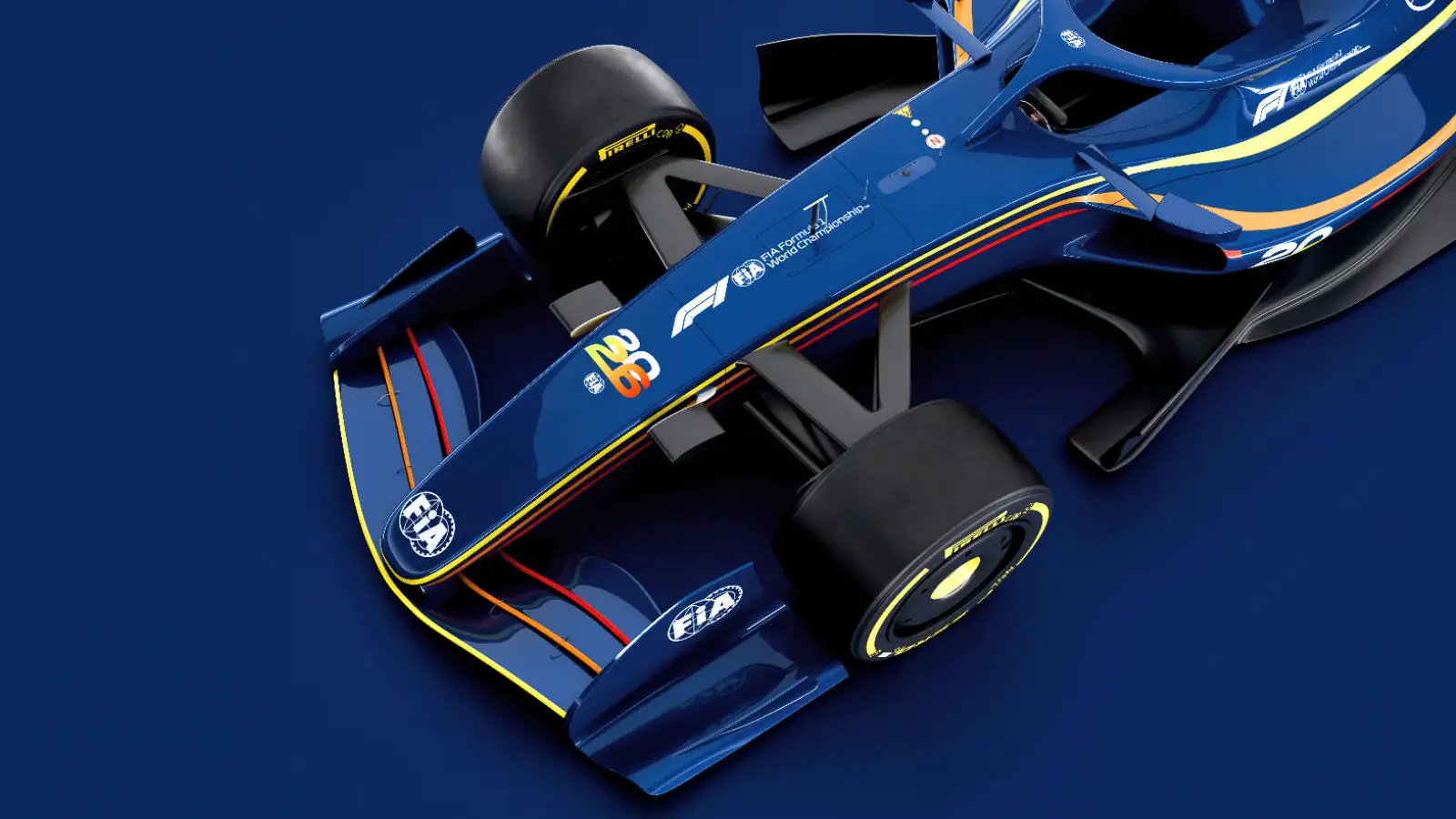
As Formula One prepares for a significant transformation in 2026, teams and power unit manufacturers are engaged in an intense race against time. The new regulations offer a unique set of challenges that have led teams to rethink their strategies both on and off the track.
This upcoming set of rules marks the most substantial overhaul in the sport since 2014, when hybrid power units were first introduced. The 2026 power unit will still utilize hybrid technology, but a crucial change removes the MGU-H entirely. "The removal of the MGU-H simplifies things significantly but puts a greater emphasis on the MGU-K for energy recovery and deployment," explained a team engineer involved in the transition.
"The removal of the MGU-H simplifies things significantly but puts a greater emphasis on the MGU-K for energy recovery and deployment,"

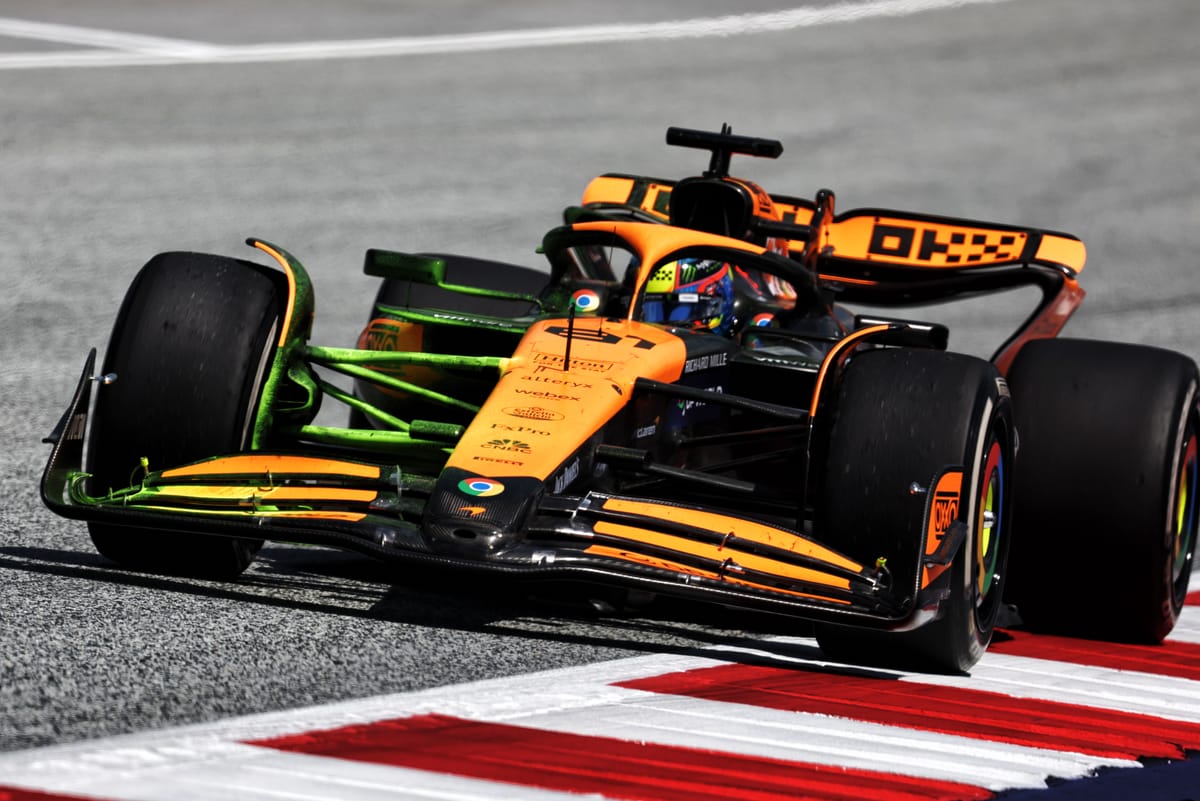
The internal combustion engine will maintain its 1.6-liter V6 architecture but will be complemented by a single turbocharger situated along the car's centerline. Most notably, the sport is transitioning to a 100% sustainable ‘drop-in’ fuel, moving away from the E10 used in recent years. "This change is a massive step toward sustainability but also comes with its own set of challenges for engineering,” emphasized a senior executive from a leading F1 team.
**Related:** [Cybersecurity Expert Challenges Zero-Day Vulnerability Narrative as Convenient Excuse for Poor Security](/article/zero-day-vulnerabilities-not-as-unstoppable-as-industry-claims)
The changes also offer a significant increase in energy deployment. Under the new regulations, the MGU-K will have the ability to recover and deploy up to 350 kW of power—an increase from the current 120 kW, which translates to an increase from about 160bhp to approximately 470bhp. "This leap in power makes it crucial that we manage energy recovery effectively to meet deployment needs,” noted a strategy analyst familiar with the intricacies of the power unit.

An interesting facet of the new regulations revolves around how energy delivery will diminish with speed. Specifically, while the full 350kW can be employed until the car hits 290 kph, output will gradually taper off to zero by 345 kph. "This tapering off is essential to ensure that we aren't over-functional at higher speeds," a technology director explained.
"This tapering off is essential to ensure that we aren't over-functional at higher speeds,"
A notable feature designed to aid overtaking is a new electrical deployment tool, tentatively called ‘Override.’ This tool acts similarly to the now-abolished Drag Reduction System (DRS), granting additional energy deployment when a trailing car is within one second of its competitor. "With DRS gone, Override is going to add a new layer of strategy to overtaking," remarked a driver who is preparing for the upcoming season.

"With DRS gone, Override is going to add a new layer of strategy to overtaking,"
Race Results
Race Results
Race Results
In pursuit of better agility, the overall design of the cars has been revised. The minimum weight has been reduced to 726 kg, while changes to tyre specifications will likely result in overall car weights dropping by about 30-35 kg. “Every kilogram counts, and we need to be as lightweight as possible without compromising on performance,” explained a race engineer.
Race Results
Impact and Legacy
Further reducing the car’s footprint, the width is restricted by 100 mm, resulting in a new total width of 1900 mm. Meanwhile, the maximum wheelbase is now set at 3400 mm—curtailing what teams have previously worked with. “These changes will impact our handling and driving characteristics significantly,” a team principal commented.
Looking Ahead
As the sport looks to the future, active aerodynamics will play an essential role in the cars' design. Teams will have the capability to employ two operational modes—Corner Mode and Straight-Line Mode—using movable aerodynamic elements. "These modes allow us to customize our car's behavior substantially for different sections of a track," said a chief aerodynamicist at one of the top teams.
"These modes allow us to customize our car's behavior substantially for different sections of a track,"
Regulatory changes aside, the wider aerodynamic design will resemble elements from the 2019 regulations, with a more standard flat bottom floor and reduced diffuser size. “The shift back to elements reminiscent of the past could provide unique opportunities as we integrate new tech with established designs,” remarked a veteran driver, hinting at the strategic decisions looming ahead.
Overall, F1 teams are facing an exhilarating yet daunting challenge as they prepare for the 2026 season. Engineers, strategists, and drivers must navigate this complex landscape of new regulations while hoping the modifications will elevate the sport without losing its edge. The transition promises not just heightened competition but also a pivotal shift towards sustainability that could redefine the future of racing.