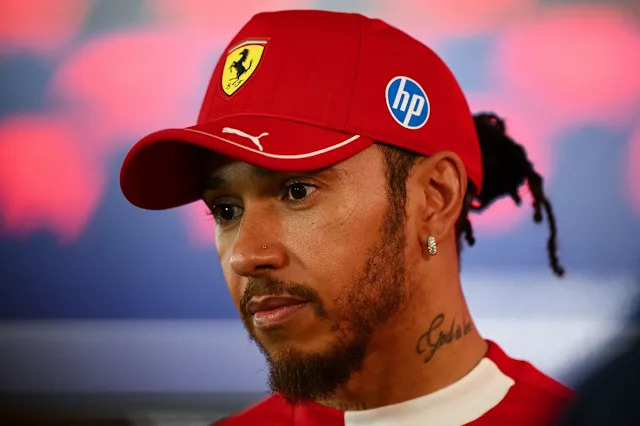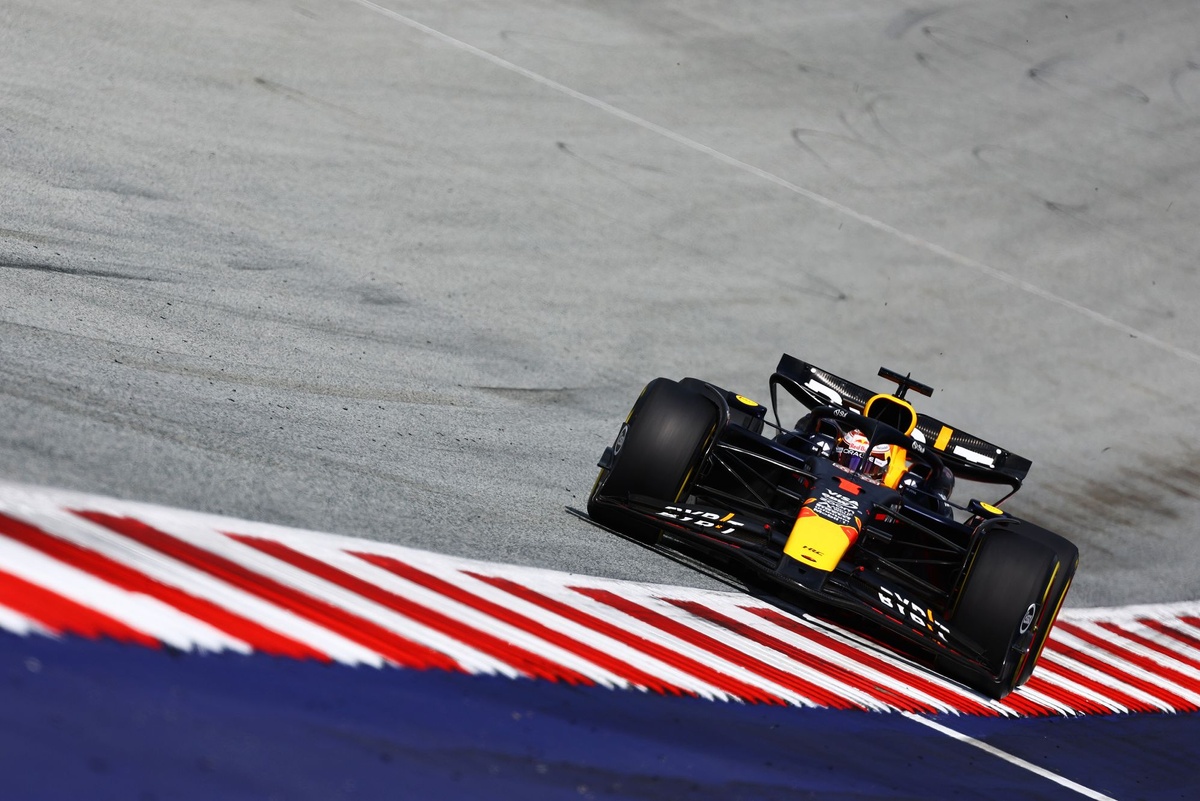
As the 2024 Formula 1 season reaches its conclusion, insights drawn from qualifying statistics shed light on the evolving dynamics of the sport. While race results capture the spotlight, it’s the qualifying performances that truly set the stage for race day outcomes.
Throughout the season, Max Verstappen of Red Bull emerged as a standout driver, recording the highest number of appearances in Q3. "To consistently be at the top, you need to make the most of your car’s performance during qualifying," said Verstappen. His ability to extract the maximum from his car proved pivotal in solidifying his competitive edge.
"To consistently be at the top, you need to make the most of your car’s performance during qualifying,"
Additionally, McLaren drivers Lando Norris and Oscar Piastri also made significant impacts, with both frequently accessing Q3. Norris noted, "Having both cars in Q3 gives us a huge morale boost and sets up a good chance for points on race day." This statement reflects the importance of teamwork within the McLaren camp, emphasizing how qualifying success translates to race strategy.
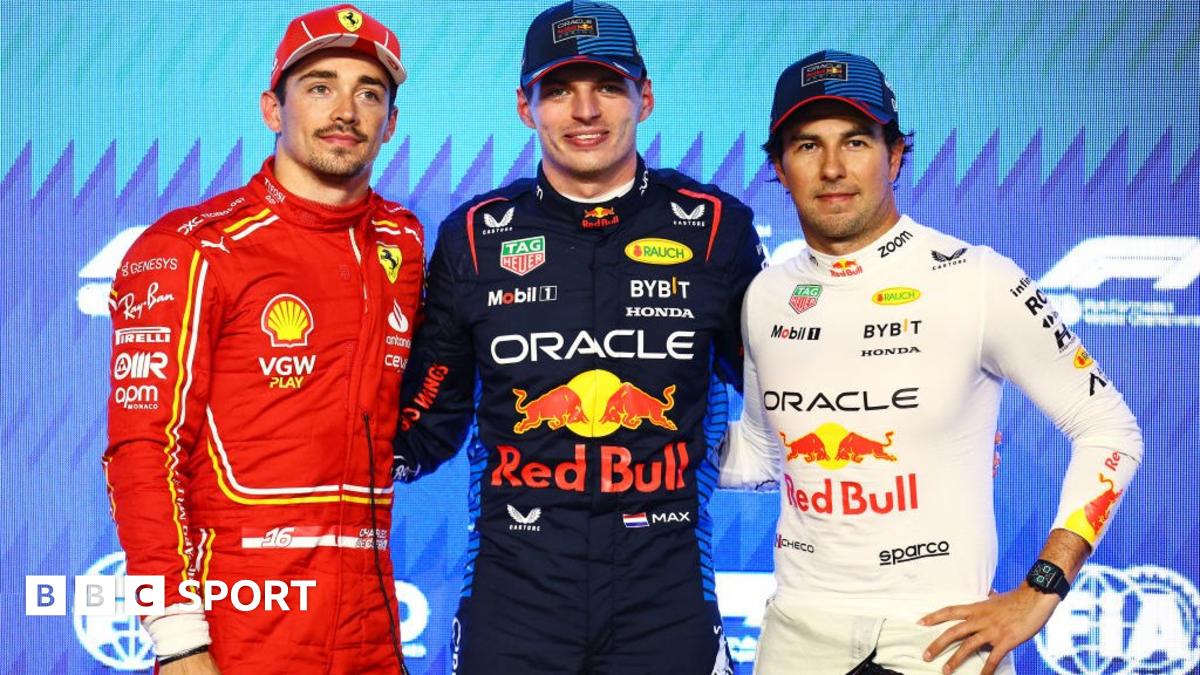
By the Numbers
On the flip side, several well-known names struggled to find their footing in qualifying sessions. A deep dive into the numbers indicates that even established stars faced challenges. Some drivers continually fell short of advancing through Q2, grappling with the delicate balance of tire management and car handling.

Qualifying
"Qualifying can be brutal; one small mistake can cost you, and we've seen that this season with a few tough breaks for some drivers," remarked an analyst knowledgeable about the circuits. This observation highlights the high stakes of qualifying, where every fraction of a second counts.
"Qualifying can be brutal; one small mistake can cost you, and we've seen that this season with a few tough breaks for some drivers,"
**Related:** [Red Bull Dominates Bahrain Qualifying in Formula 1 Season Opener](/article/red-bull-dominates-bahrain-qualifying-in-formula-1-season-opener)

Qualifying
Among those who faced difficulties, drivers noted how car performance varied week to week. "The setup can change dramatically based on the track conditions, and finding the right balance is crucial," said Lando Norris. His insights reflect the technical challenges faced in translating practice lap performance into qualifying speed.
"The setup can change dramatically based on the track conditions, and finding the right balance is crucial,"
Looking at overall trends, the importance of adapting to the Pirelli tires stood out throughout the season. Many drivers struggled moments before crucial laps, ultimately affecting their grid positions. "It's about getting the best out of the tires in a tight window," said a seasoned team principal. Thus, the interplay of tire strategy and qualifying efficiency emerged as a central theme.
"It's about getting the best out of the tires in a tight window,"
Statistically, the review points to a blend of factors influencing performance: car speed, tire management, and driver composure. The figures reveal how tight the battle for places in Q3 really was, often with margins so small they could be measured in milliseconds.
Mid-tier teams too had their own stories of near misses and surprising appearances in Q3. "We take pride in upsetting the order; every Q3 appearance feels like a victory in itself for us," noted a driver from an underdog team. This statement encapsulates the relentless ambition and competitive spirit present in the grid this season.
"We take pride in upsetting the order; every Q3 appearance feels like a victory in itself for us,"
As the F1 community reflects on qualifying as a pivotal part of race weekends, the nuanced stats of 2024 offer a compelling look into driver capabilities. Moving forward into future seasons, the question remains: how will teams adapt to sharpen their qualifying performances?
The wrap-up of the 2024 qualifying narrative illustrates that while results may define winners and losers, the art of qualifying acts as a critical foundation for racing success. Teams and drivers will surely review this year's performances to refine their approaches in the seasons to come, as the ongoing quest for precision and speed continues in Formula 1.