The 2024 FIA Formula 4 regulations, recently published on November 7, 2023, introduce comprehensive guidelines concerning manufacturer registration, chassis homologation, and power unit standardization, ensuring compliance and safety in the competitive landscape. These regulations set the stage for teams and manufacturers to prepare for the upcoming season while embracing innovations within a framework that prioritizes safety and performance.
"Only those manufacturers registered and approved as FIA Formula 4 component manufacturers are eligible to homologate FIA Formula 4 chassis and Power Units," stipulated the regulations under Article 1, outlining the clear eligibility criteria for participating manufacturers.
"Only those manufacturers registered and approved as FIA Formula 4 component manufacturers are eligible to homologate FIA Formula 4 chassis and Power Units,"

The importance of chassis homologation is emphasized in Article 2. The regulations mandate that all components must fully comply with the FIA F4 Technical Regulations, as detailed in ISC Appendix J, Article 274A. "Only parts having successfully passed the required crash tests may be homologated," underscored the text, reiterating the focus on safety.
"Only parts having successfully passed the required crash tests may be homologated,"
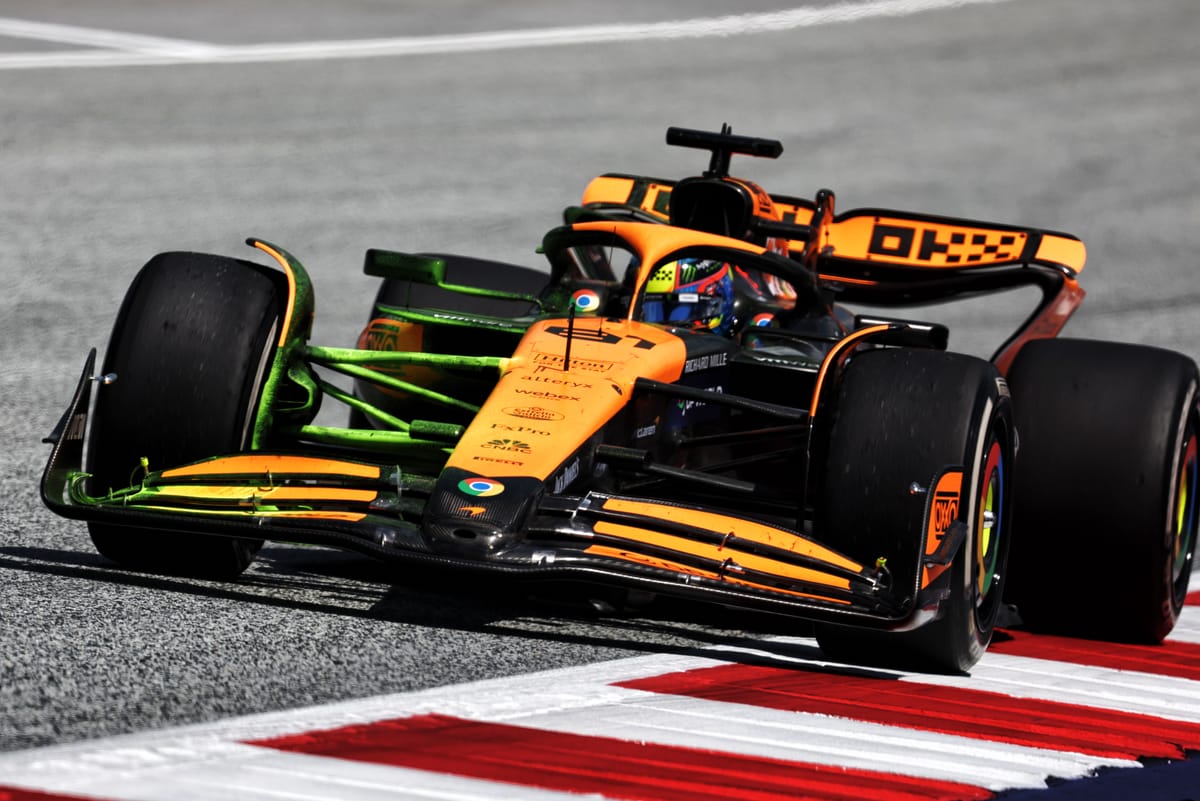
The roll-out of chassis homologation involves a specific perimeter defined by multiple components that need approval. The stipulated survival cell, headrest, and roll hoop, among others, must be homologated by the rolling chassis manufacturer before March 31 of the respective competition year. "The rolling chassis manufacturer may homologate the above-mentioned parts only once between November 1, 2021, and December 31, 2026," the regulations indicated, which ensures that each production cycle has a finite timeframe for approval.

"The rolling chassis manufacturer may homologate the above-mentioned parts only once between November 1, 2021, and December 31, 2026,"
For manufacturers, the complete rolling chassis must consist of various components ready for operation, including all parts related to driver safety, suspension systems, and onboard camera systems. These comprehensive requirements aim to ensure that the vehicle is competitive and meets necessary safety standards. The detailed specifications provided in Article 2.2.2 emphasize that every component is meticulously considered, leading to enhanced performance and safety.
**Related:** [FinCEN Announces New Regulations for CVC Mixing to Combat Crime](/article/fincen-announces-new-regulations-for-cvc-mixing-to-combat-crime)
In terms of options, the regulations allow rolling chassis manufacturers to homologate additional parts that could adjust the vehicle's configuration to various climatic conditions. This flexibility is crucial for teams participating in diverse environments.

"The maximum prices given in Appendix 1 must be respected," the document also emphasized, setting clear commercial boundaries. This commercial aspect, encapsulated in Article 4, addresses retail pricing and the procedure for upgrading engine specifications to reflect market dynamics and inflation.
"The maximum prices given in Appendix 1 must be respected,"
Team Dynamics
“No one can overlook the commercial implications of these regulations,” reflected an industry analyst. “They are designed to ensure fair competition while allowing for innovation.” The commercial focus is equally important, as it balances teams' access to parts with the overall sustainability of the sport.
Homologation of power units is addressed in Article 3, outlining compliance with technical requirements and lifecycle expectations. Each power unit must adhere to strict standards regarding output and installation, ensuring performance is standardized across the field. The comprehensive guidelines are an effort to maintain a level playing ground while still promoting technical ingenuity among teams.
Impact and Legacy
"Compliance with Technical Regulations is paramount," asserts the documentation, illustrating the stringent expectations placed on manufacturers. As power units play a significant role in performance, their homologation will have far-reaching impacts on the overall competition dynamics.
"Compliance with Technical Regulations is paramount,"
Finally, the regulations conclude with procedures for homologation and the right of the FIA to veto changes. This aspect protects the integrity of the specifications while ensuring that innovations do not compromise safety or fairness.
Current Season
In conclusion, the updates to the 2024 FIA Formula 4 regulations reflect a significant step forward in the evolution of motorsport safety and performance standards. As manufacturers gear up for the new season, adherence to these regulations will be paramount in fostering a competitive yet safe environment for young drivers. This regulatory framework not only serves to protect participants but also shapes the future landscape of the sport, maintaining its integrity and allure. The ongoing commitment to rigorous standards underscores the FIA's role in guiding the next generation of racing towards sustainable excellence.