
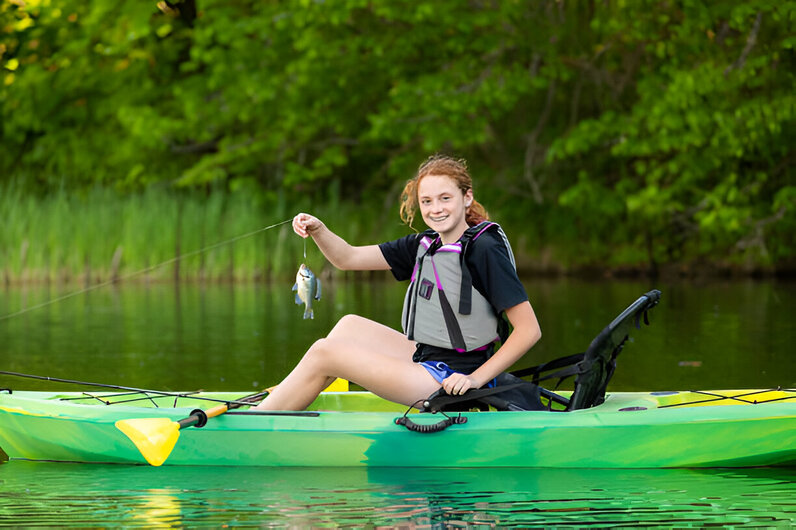
Bluegill fishing remains a cherished endeavor for anglers, whether they're seasoned experts or novices casting their lines for the first time. Their abundance across North American waters makes them a viable target for anyone looking to enjoy the sport while savoring a delicious catch.
To truly grasp the nuances of bluegill fishing, one first needs to delve into the behavior and habitat of this spirited species. Bluegills, scientifically known as *Lepomis macrochirus*, are easily recognized by their striking blue-black gill covers. These fish thrive in environments rich with cover, from docks to overhanging banks and submerged structures.
"They prefer habitats that offer plenty of cover," said fishing expert John Smith, highlighting the types of areas anglers should focus on. Bluegills are attracted to both natural and artificial structures, such as aquatic vegetation and logs, where they find food and safety.

Understanding bluegill behavior further enhances fishing success. During hot summer months, bluegills tend to seek deeper waters for refuge, while they venture into shallower regions during their spawning season. Known for their voracious feeding habits, bluegills often school together, presenting excellent fishing opportunities for those who know where to look.
When it comes to equipment, the right gear significantly impacts the fishing experience. According to gear specialist Emily Johnson, "For bluegill fishing, light tackle is crucial." She recommends a line between 2 to 6 pounds and an ultralight rod measuring 5 to 7 feet. This setup allows anglers to feel even the slightest nibbles, making the experience both engaging and enjoyable.
Choosing the proper hooks and bobbers is equally essential. Smaller, sensitive bobbers are preferred, along with hooks sized between 6 and 10. "Using a slip bobber allows you to easily adjust your depth, which is key in locating active bluegill," said Johnson. This flexibility is advantageous in varying water conditions, helping fishermen pinpoint the depths where bluegills congregate.
Live bait is regarded as one of the most effective choices for attracting bluegills. Popular options include small minnows, crickets, and worms, providing a natural presentation that often leads to more successful catches. "Live bait is highly effective due to its natural scent and look, making it irresistible for bluegills," explained veteran angler Mike Brown.
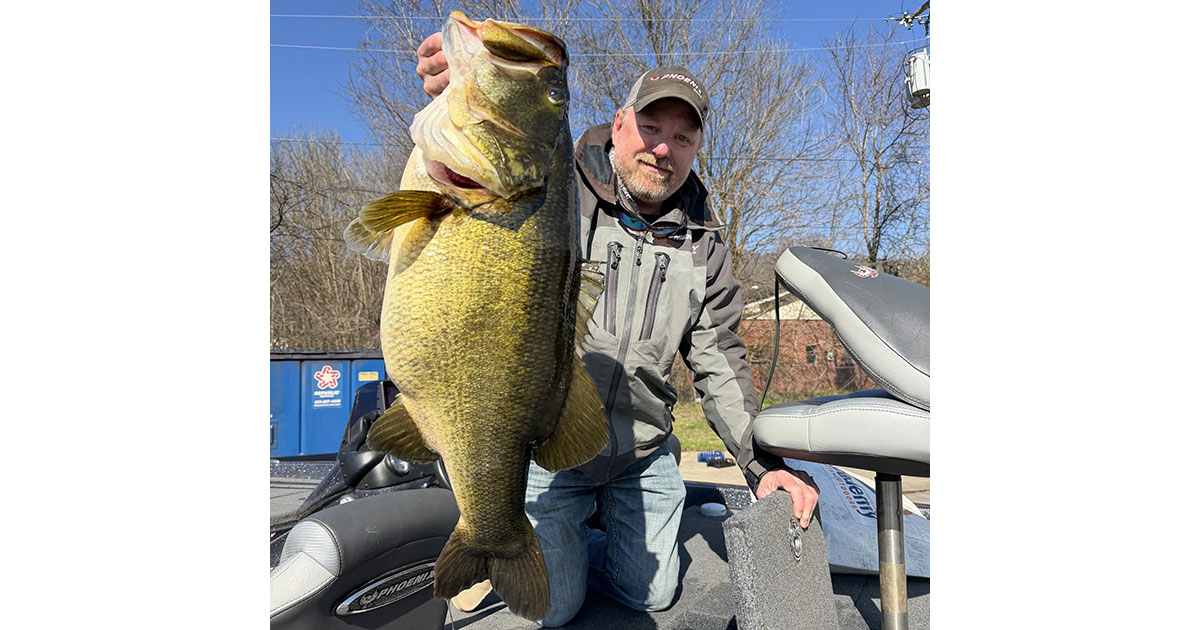
However, artificial lures can also be beneficial, allowing for diverse fishing techniques. From tiny crankbaits to soft plastic grubs, these lures enable casting over longer distances and can lead to unexpected success.
"There’s no one-size-fits-all approach in fishing," cautioned Brown. As with any fishing strategy, a range of possibilities can enhance the likelihood of a good catch.
More than just gear and bait, mastering techniques is vital. Bobber fishing is a classic method that continues to yield success. Anglers are advised to pay close attention to bobber movements. "When the bobber goes under or shifts sideways, that’s your cue to set the hook with a quick upward motion," said Brown, emphasizing the importance of being vigilant.
Experimenting with different depths while bobber fishing can also improve results. "Bluegills often suspend at particular depths, finding that ‘magic level’ can lead to a flurry of action," said Brown.
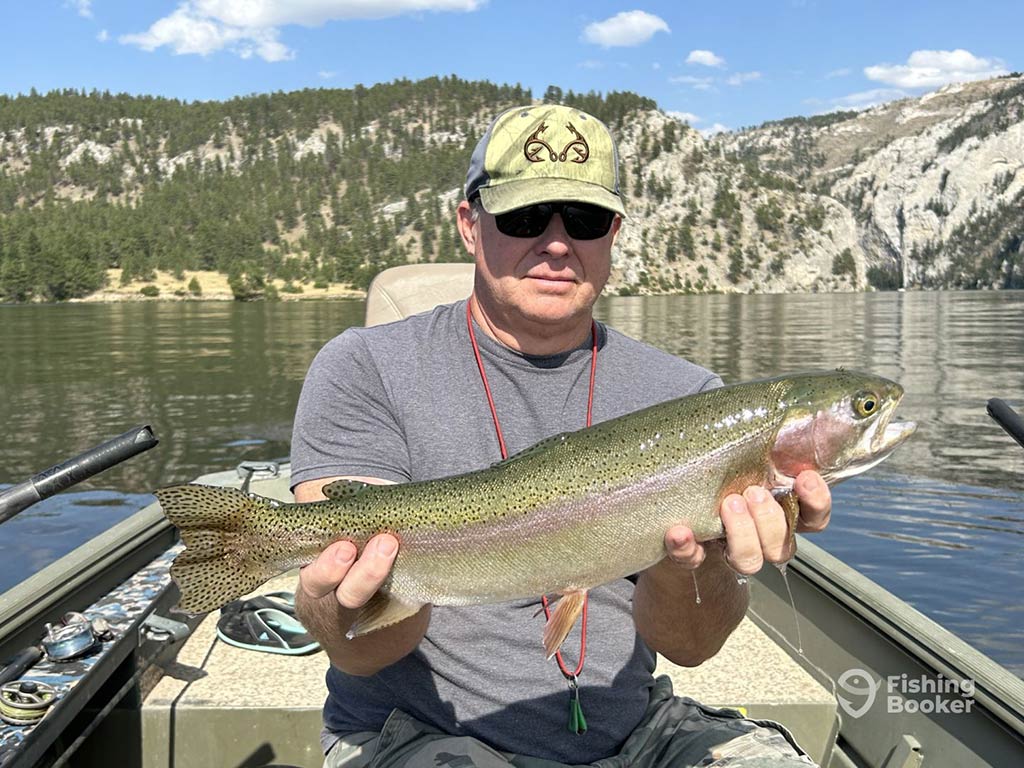
Another highly effective technique is jigging, especially in deeper waters. To jig successfully, anglers should remain alert for any line movement. "When you feel a bite or notice your line moving unexpectedly, set the hook, and don’t forget to pause occasionally to let the jig fall," advised fishing coach Lisa Green.
Overall, bluegill fishing can be an incredibly fulfilling experience for all involved. By combining knowledge of bluegill behavior with the proper equipment and techniques, anglers can significantly enrich their fishing outings, turning what might seem like a simple catch into an enjoyable and productive adventure.
As fishing season approaches and anglers gear up for their next trip, having a robust understanding of bluegill ecology, behaviors, and well-honed techniques can ensure that they not only enjoy their time on the water but also bring home a satisfying catch.