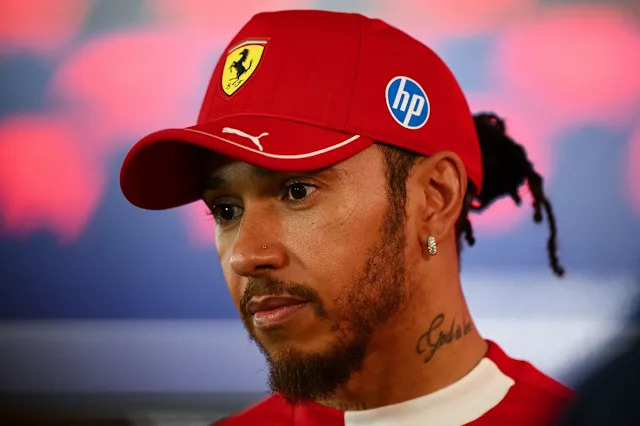
The Chinese Grand Prix marked a significant and challenging event for Scuderia Ferrari, as both of their cars faced disqualification due to technical infringements after the race. This unprecedented situation prompted a closer look at the reasons behind Charles Leclerc's underweight car, particularly focusing on their strategic decision-making and tire performance during the race.
"Charles was on a one-stop strategy today and this meant his tyre wear was very high, causing the car to be underweight," said a Ferrari spokesperson. This admission highlights the critical role their tire management strategies played in the race's outcome.
"Charles was on a one-stop strategy today and this meant his tyre wear was very high, causing the car to be underweight,"
Leclerc’s car was later determined to be one kilogram under the mandated minimum weight of 800kg. The weight limit was adjusted from 798kg in the previous year, primarily due to changes in regulations regarding the minimum driver weight. The implications of tire wear on the overall weight of the car are significant, raising questions about whether Ferrari fully accounted for how their strategy might affect their post-race weight.
Impact and Legacy
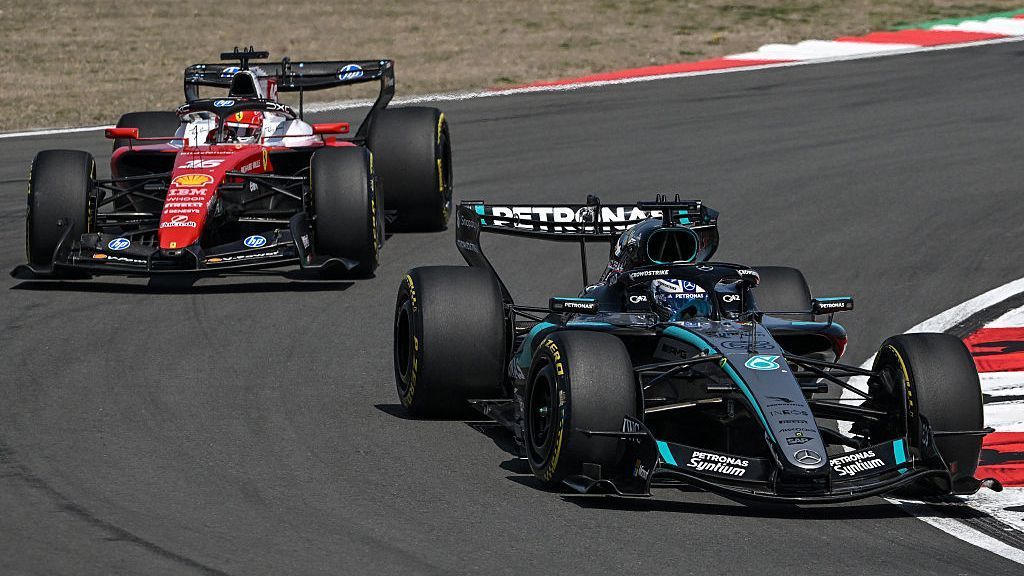
This situation isn’t entirely unique in the world of Formula 1. Last season, George Russell found himself in a similar predicament when his Mercedes was disqualified from a race in Belgium due to being underweight post-race as well. "It became clear that high tyre wear, along with other factors such as the absence of a cool-down lap, significantly influenced our situation,” said Russell after that race. In Leclerc's case, conventional wisdom suggests that tire loss would typically max out near one kilogram.
Ferrari's explanation of excessive tire degradation from their one-stop strategy comes across as plausible, yet it also raises eyebrows. "Each track is different, each situation is different, and the wear is not linear," noted Mario Isola, Pirelli’s motorsport director. This statement emphasizes the complexities involved in tire performance and strategy decisions.
"Each track is different, each situation is different, and the wear is not linear,"
**Related:** [Miami Grand Prix Qualifying: Charles Leclerc Takes Pole Position](/article/miami-grand-prix-qualifying-charles-leclerc-takes-pole-position)
Most teams entered the race expecting to execute a two-stop strategy; however, improved track conditions enabled many to consider the effectiveness of a single-stop plan, which ultimately became enticing. "When evaluating C2 behaviour, one should bear in mind that it is the compound that has undergone the biggest changes of any in the 2025 range, thus presenting a level of unpredictability," Isola explained. This was notably the first race for the new C2 compound, adding an additional variable for teams to navigate.

"When evaluating C2 behaviour, one should bear in mind that it is the compound that has undergone the biggest changes of any in the 2025 range, thus presenting a level of unpredictability,"
Impact and Legacy
Interestingly, both Leclerc and Alpine’s Pierre Gasly faced similar outcomes following their disqualification. Gasly's car also weighed in at the 800kg limit prior to being underweight after fuel was drained, underscoring a broader issue that impacted multiple teams. With Leclerc’s stint not being particularly longer compared to drivers like Max Verstappen or Russell, questions linger about whether the team adjusted their strategies adequately based on prior performance data.
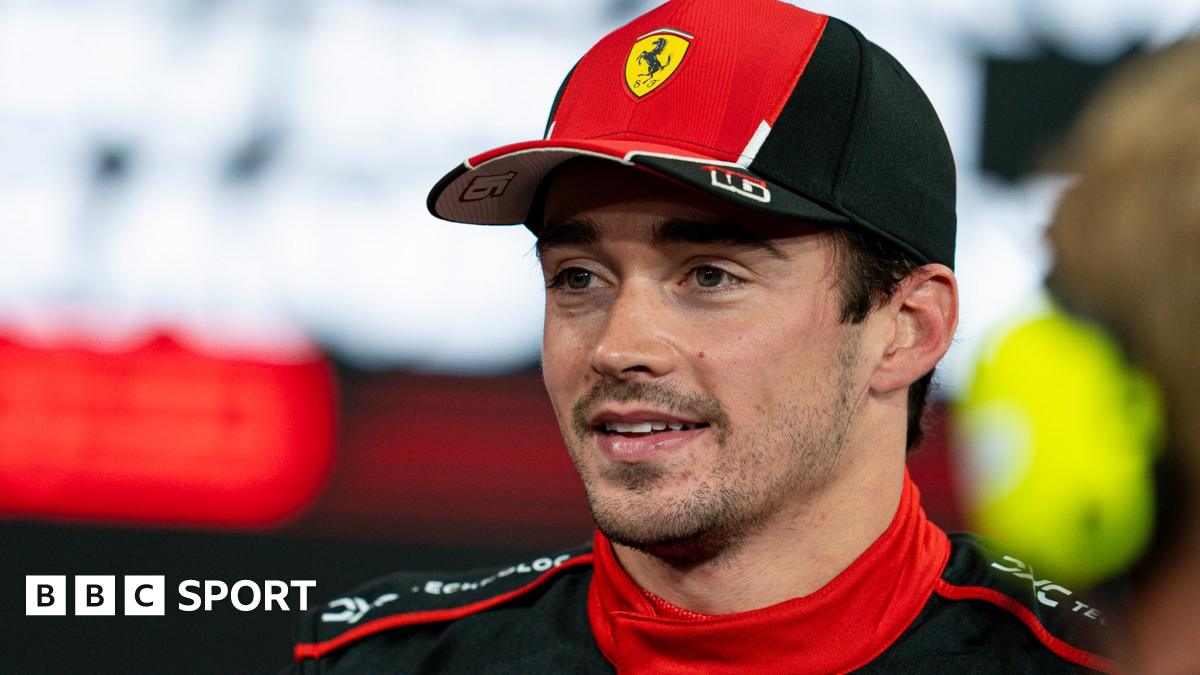
Moreover, the situation was complicated by the conditions in Shanghai, where drivers had the advantage of a cooldown lap, an opportunity typically used to gather rubber debris that could contribute to the overall weight before post-race inspections. This tactic is commonplace among teams aiming to avoid disciplinary actions linked to weight discrepancies.
Fred Vasseur, Ferrari’s team principal, acknowledged the various factors at play, emphasizing the importance of comprehensive analysis in the wake of their disqualification. The challenges faced at the Chinese Grand Prix could serve as a critical learning point for Ferrari as they look to fine-tune their approach moving forward in the season.
Looking Ahead
As the team navigates this setback, the focus will remain on hitting the right notes with both strategy and execution in future races. This incident serves as a reminder of the intricate balancing act Formula 1 teams must perform, weighing team strategy against the ever-evolving dynamics of race conditions and vehicle performance.