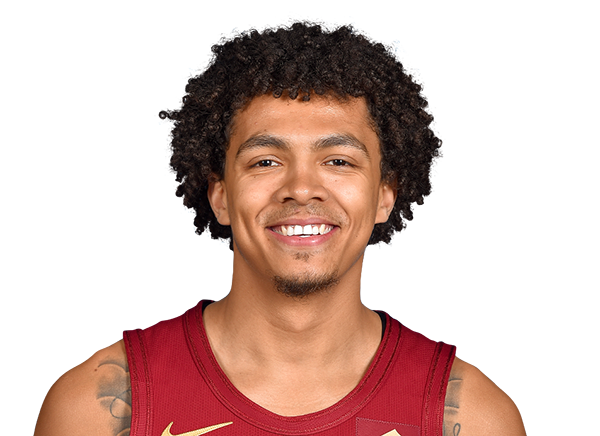
In the fast-paced world of NBA basketball, where roster spots are precious and opportunities fleeting, Drew Peterson has carved out a niche for himself as a reliable, multi-dimensional wing player for the Charlotte Hornets. Standing 6'9" and weighing 205 pounds, the Illinois native brings a unique combination of size, versatility, and basketball IQ that has caught the attention of Charlotte's coaching staff and front office.
Wearing number 9 for the Hornets, Peterson represents the modern NBA's evolution toward positionless basketball. His frame allows him to guard multiple positions while his skill set enables him to contribute across various facets of the game. At 6'9", Peterson possesses the length to compete with traditional forwards while maintaining the mobility to stay with quicker perimeter players – a valuable asset in today's switch-heavy defensive schemes.
Peterson's journey to Charlotte reflects the non-traditional paths many players now take to reach the NBA. His development has been marked by steady improvement and adaptability, qualities that have endeared him to coaching staffs throughout his career. The small forward position has become increasingly demanding in the modern game, requiring players to shoot from distance, handle the ball, defend multiple positions, and make quick decisions in transition. Peterson's 205-pound frame, while lean for his height, allows him the agility needed to excel in these varied roles.
From a tactical standpoint, Peterson's presence in Charlotte's rotation provides head coach Steve Clifford with valuable flexibility. His ability to play both forward positions means the Hornets can deploy various lineup configurations depending on matchups and game situations. In small-ball lineups, Peterson can slide to power forward, using his length and mobility to create mismatches. Against bigger opponents, his natural small forward position allows him to space the floor and contribute to Charlotte's offensive flow.
Looking Ahead
The Hornets have been building toward a more sustainable future, focusing on player development and strategic roster construction. Peterson fits this philosophy perfectly – a player with room to grow who can contribute immediately while developing into a more significant role. His undisclosed contract situation suggests the team is taking a measured approach to his development, likely evaluating his fit within their long-term plans.
**Related:** [Megabass Karashi 80: Versatile Topwater Lure Breaks Finesse Boundaries](/article/megabass-karashi-80-versatile-topwater-lure-breaks-finesse-boundaries)
Defensively, Peterson's 6'9" wingspan and court awareness make him a disruptive presence. He has shown the ability to guard players ranging from shooting guards to power forwards, a versatility that's increasingly valuable in an NBA where teams regularly deploy unconventional lineups. His lean build allows him to stay in front of quicker players while his length enables him to contest shots and disrupt passing lanes effectively.
Team Dynamics
Offensively, Peterson has demonstrated a well-rounded skill set that translates well to Charlotte's system. His shooting ability helps space the floor for the team's primary creators, while his basketball IQ allows him to make the right play in various situations. At his size, Peterson can see over smaller defenders and find open teammates, adding a playmaking dimension to his game that enhances Charlotte's ball movement and offensive flow.
The transition from college to professional basketball is never seamless, but Peterson's work ethic and coachability have been evident in his development. Players his size who can maintain their effectiveness across multiple positions are increasingly valuable commodities in the NBA, and Peterson appears to understand and embrace this reality.
For the Hornets, Peterson represents the type of player successful teams need in their rotation – someone who understands his role, executes within the system, and provides insurance against injuries or matchup-specific challenges. His ability to step into different roles as needed gives Charlotte's coaching staff options that might not otherwise exist.
Looking Ahead
Looking ahead, Peterson's development will likely focus on continuing to refine his shooting consistency and defensive positioning. At 205 pounds, adding functional strength could help him handle more physical matchups, particularly when asked to play up a position. However, maintaining his mobility and quickness will be equally important as these attributes are central to his current value proposition.
The modern NBA rewards players who can do multiple things well rather than specialists who excel in one area. Peterson's profile suggests he understands this reality and has worked to develop a complementary skill set that fits the contemporary game. His journey from Libertyville, Illinois, to the NBA represents not just personal achievement but also the changing pathways to professional basketball success.
As the Hornets continue building their roster and identity, players like Peterson – versatile, coachable, and ready to contribute where needed – form the foundation of sustainable success. While he may not be the team's primary star, his role in Charlotte's ecosystem is both clear and valuable, representing the type of smart roster construction that successful NBA franchises prioritize.