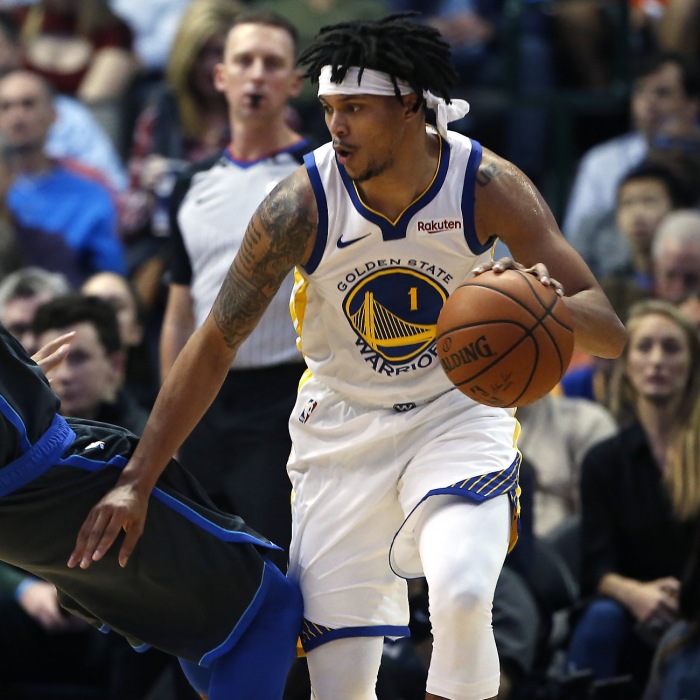
Standing at 6'5" and weighing 210 pounds, Damion Lee has carved out a meaningful role as a reliable shooting guard for the Phoenix Suns, bringing veteran experience and clutch shooting ability to a team with championship aspirations. Wearing number 10 for the Suns, the Baltimore, Maryland native represents the type of seasoned professional that contending teams value for his consistency and basketball IQ.
Lee's journey to Phoenix exemplifies the modern NBA player's path – one that requires persistence, adaptability, and continuous improvement. His physical dimensions make him an ideal fit for today's positionless basketball, possessing the length to defend multiple positions while maintaining the agility needed to contribute on the perimeter. At 6'5", Lee has the size to match up against both guards and smaller forwards, giving head coach Frank Vogel valuable flexibility in his rotations.
The shooting guard's role with the Suns extends beyond his statistical contributions. In a league increasingly defined by three-point shooting and spacing, Lee provides the type of floor-stretching ability that opens up driving lanes for the team's primary playmakers. His shooting mechanics and basketball fundamentals have made him a trusted option in crucial moments throughout his career.
Championship Implications
What sets Lee apart in Phoenix's rotation is his professional approach and readiness to contribute regardless of circumstances. Whether he's starting games due to injuries or coming off the bench in a reserve role, Lee has consistently demonstrated the mental toughness and preparation that championship teams require. His experience in high-pressure situations has proven invaluable for a Suns organization that continues to pursue its first NBA title.
Career Journey
Lee's Baltimore roots have shaped his work ethic and determination. Growing up in a city with a rich basketball tradition, he learned early that success requires both talent and relentless effort. This background has served him well throughout his professional career, as he's had to earn every opportunity and prove himself at each level.
**Related:** [Mi Hyang Lee Breaks Nine-Year Drought at Blue Bay LPGA](/article/mi-hyang-lee-breaks-nine-year-drought-at-blue-bay-lpga)
From a tactical standpoint, Lee's presence in the Suns' rotation provides several advantages. His ability to play both on and off the ball gives the coaching staff options in various lineup configurations. When paired with ball-dominant players, Lee excels in catch-and-shoot situations, using his quick release to capitalize on open looks. Conversely, when asked to handle more playmaking responsibilities, he's shown the court vision and decision-making ability to keep the offense flowing smoothly.
Defensively, Lee's 210-pound frame and 6'5" wingspan allow him to hold his own against most perimeter players. While he may not be considered an elite defensive stopper, his team-first mentality and understanding of defensive rotations make him a valuable contributor on that end of the floor. His veteran presence helps younger players navigate the complexities of NBA defensive schemes.
The modern NBA rewards players who can adapt their games to different roles and situations, and Lee exemplifies this versatility. His professional demeanor and consistent preparation have earned him respect throughout the league. Coaches value players who study film, maintain their physical conditioning, and remain ready to contribute regardless of their place in the rotation.
For the Suns, Lee represents more than just his on-court contributions. His veteran leadership in the locker room and during practice sessions helps establish the professional culture that successful organizations require. Young players can learn from his example of how to approach the game with seriousness while maintaining the joy and passion that drew them to basketball originally.
Lee's shooting ability remains his calling card, but his overall basketball intelligence sets him apart from other role players. He understands spacing, timing, and situational basketball at a high level. These intangibles often prove decisive in playoff situations where every possession carries added significance.
Championship Implications
As the Suns continue their pursuit of championship success, players like Lee become increasingly important. While superstars capture headlines, experienced professionals who can be trusted in any situation often determine playoff outcomes. Lee's reliability and professionalism provide the foundation upon which championship aspirations can be built.
Looking ahead, Lee's role with Phoenix may fluctuate based on matchups and team needs, but his value to the organization extends beyond any single game or series. His influence on team culture, his mentorship of younger players, and his readiness to contribute when called upon make him an asset that analytics don't always capture.
The Baltimore native's journey to becoming a trusted contributor for a championship-contending team speaks to both his personal development and the Suns' organizational philosophy of valuing character alongside talent. In a league often dominated by individual achievements, Lee represents the team-first mentality that successful franchises prize above all else.