
Standing at 1.77 metres and weighing 80 kilograms, Caolan Englefield represents the modern archetype of a dynamic rugby scrum-half, combining the physical attributes necessary to compete at the highest level with the tactical acumen that has seen him establish himself within Gloucester's squad structure.
The Irish-born number nine has carved out his niche at Kingsholm, operating in one of rugby's most demanding positions. As a scrum-half, Englefield serves as the critical link between Gloucester's forward pack and their backline, a role that requires exceptional decision-making under pressure, pinpoint accuracy with passing, and the ability to dictate tempo throughout the 80 minutes.
Englefield's physical profile suits the demands of modern professional rugby perfectly. His height of 1.77m provides him with sufficient reach to deliver clean ball from the base of scrums and rucks, while maintaining the low centre of gravity essential for quick breaks around the fringes. At 80kg, he carries enough weight to hold his own in contact situations and provide support in defensive scenarios, yet remains agile enough to exploit gaps in opposition defensive lines.

The scrum-half position has evolved significantly in recent years, with players expected to contribute across multiple facets of the game. Modern number nines must possess an expansive skill set that encompasses everything from tactical kicking to goal-line defence, and Englefield's development at Gloucester reflects this evolution. His role within the Cherry and Whites' system extends beyond traditional scrum-half duties, contributing to both attacking phases and defensive structures.
Gloucester's tactical approach places significant emphasis on quick ball movement and maintaining attacking momentum, areas where a skilled scrum-half becomes invaluable. The ability to read defensive patterns and select the appropriate option – whether that's a crisp pass to the fly-half, a sniping run around the fringes, or a well-placed tactical kick – can often determine the outcome of attacking sequences.
**Related:** [Irish Banks to Launch Zippay, Competing with Revolut](/article/irish-banks-to-launch-zippay-competing-with-revolut)
Englefield's Irish heritage connects him to a rich tradition of outstanding scrum-halves who have graced both provincial and international rugby. Ireland has consistently produced world-class players in this position, and this tradition of excellence provides both inspiration and a benchmark for emerging talents like Englefield who are looking to make their mark in professional rugby.
The pathway for scrum-halves in modern professional rugby requires adaptability and continuous development. Players must master not only the technical aspects of their position but also develop the rugby intelligence necessary to make split-second decisions that can swing momentum in their team's favour. This includes understanding when to slow the game down, when to inject pace, and how to communicate effectively with teammates across all phases of play.
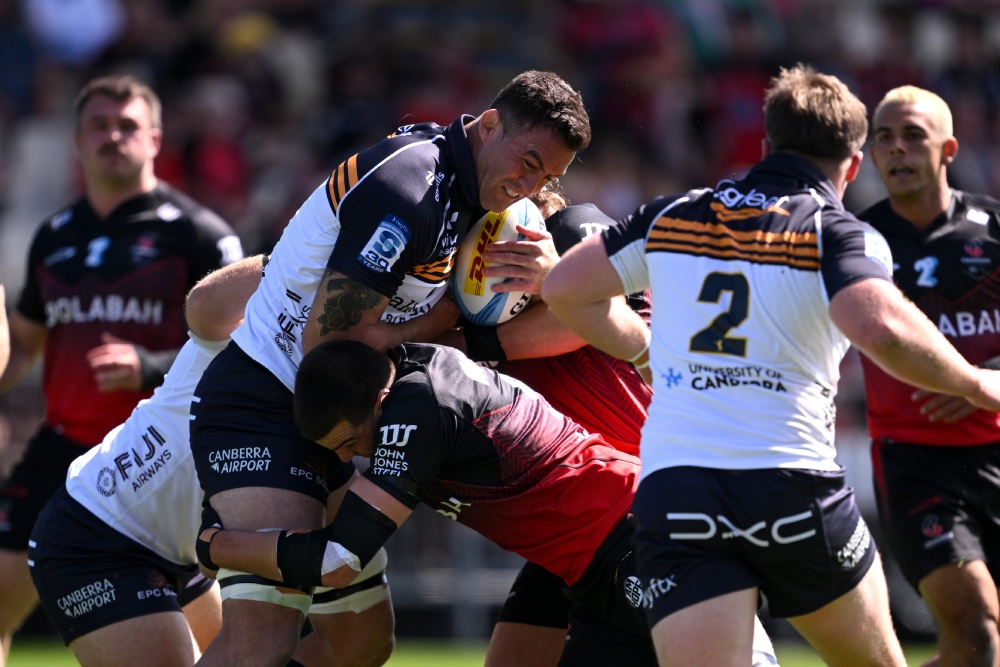
At Gloucester, Englefield operates within a system that values both individual excellence and collective responsibility. The Premiership remains one of the world's most competitive rugby competitions, demanding consistent performance levels and the ability to adapt to varying tactical approaches from opposition teams. Success in this environment requires mental resilience alongside physical capabilities.

The scrum-half position often serves as a natural leadership role within rugby teams, with players expected to organize defensive lines, communicate tactical adjustments, and maintain standards of intensity throughout matches. These leadership qualities typically develop through experience and regular exposure to high-pressure situations, making consistent playing opportunities crucial for development.
Englefield's continued presence in Gloucester's active squad demonstrates his value to the club's immediate and long-term objectives. Professional rugby clubs invest heavily in player development, and maintaining a position within the senior setup requires meeting demanding performance standards both in training and match situations.
The technical demands placed on modern scrum-halves continue to increase as the game evolves. Accuracy under pressure, particularly in passing and kicking, remains fundamental, but players must also demonstrate versatility in their approach to different game situations. This might involve adopting a more direct running game when teams are defending narrow channels, or focusing on quick distribution when opposition defenses are spread thin.
For players like Englefield, the challenge lies in consistently demonstrating these capabilities while continuing to develop other aspects of their game. The professional rugby environment provides access to world-class coaching and training facilities, but ultimately requires individual commitment to improvement and adaptation.
As Gloucester continues to compete in the Premiership and other competitions, players in key positions like scrum-half will be essential to their success. The demands of a professional rugby season, with its intense schedule and physical requirements, place a premium on squad depth and player versatility.
Career Journey
Englefield's journey at Gloucester represents the broader narrative of professional rugby development, where talent identification, systematic coaching, and consistent application combine to create opportunities at the highest level. His continued involvement with the club suggests a player committed to maximizing his potential while contributing to team objectives.